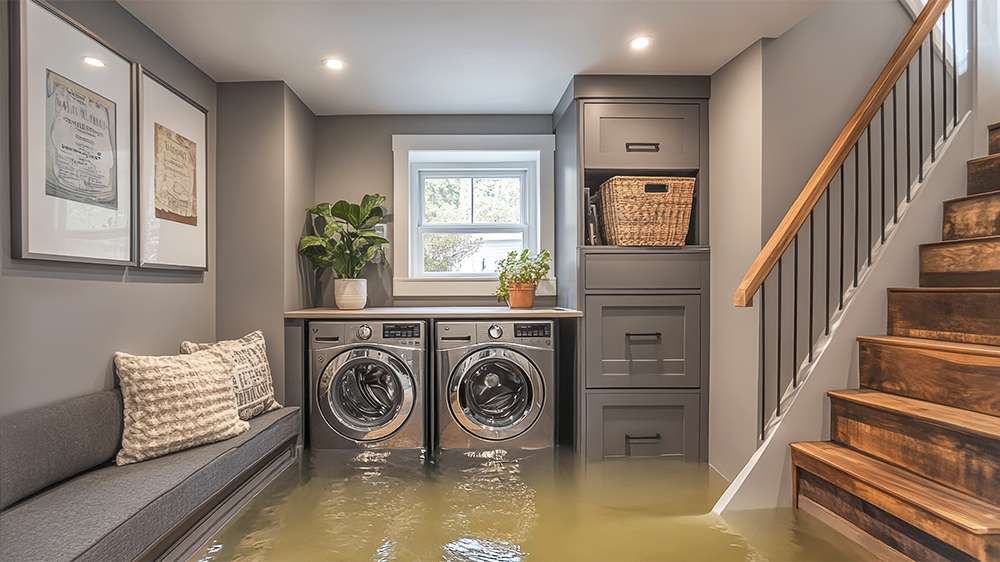
Living in a flood-prone area can be daunting, especially for homeowners who have invested so much into their properties. Floods are among the most damaging natural disasters, capable of wreaking havoc on homes and infrastructure. With climate change altering weather patterns, the frequency and intensity of floods are increasing. This makes it essential for homeowners to be proactive in safeguarding their properties. In this comprehensive guide, we’ll explore essential tips to protect your home from flood damage.
Understanding Your Home’s Vulnerability
Evaluating Flood Risk Factors
- Research Local Flood History: The first step in protecting your home from flood damage is understanding its vulnerability. Start by researching past flood records and floodplain maps from local authorities or FEMA (Federal Emergency Management Agency). Knowing the flood history in your area will help you gauge the risk level.
- Consult Flood Hazard Maps: FEMA’s flood hazard maps are invaluable resources. These maps show whether your home is in a designated flood zone and provide details on the associated risk levels.
- Consider Elevation: The elevation of your property in relation to nearby water bodies plays a crucial role in flood risk. Low-lying properties are more susceptible to flooding. Knowing your property’s elevation can help you take appropriate measures.
Evaluating Your Home’s Location and Surroundings
- Proximity to Water Sources: Homes near rivers, streams, and ponds are at higher risk during heavy rainfall or rising water levels. Check how close your home is to these water sources and plan accordingly.
- Drainage Patterns: Examine the drainage patterns in your neighborhood and on your property. Poor drainage can lead to water pooling around your home during heavy rains, increasing the risk of flooding.
Using Flood Maps and Local Resources
- FEMA Flood Insurance Rate Map (FIRM): FEMA’s FIRM provides information about your property’s flood zone and Base Flood Elevation (BFE). Use this map to understand your risk and take necessary precautions.
- Online Tools and Apps: Several online tools and apps offer flood risk assessments based on your address or zip code. These tools can provide additional insights into your flood risk.
- Local Authorities and Floodplain Managers: Consult with local floodplain managers for valuable information on flood risks specific to Rogers, AR. They can provide tailored advice to help you protect your home.
Taking Essential Precautions
Elevating Vulnerable Electrical Systems and Utilities
- Electrical Panel: Elevate your electrical panel above the potential flood level, preferably on an upper floor or platform. This will prevent damage to your electrical system during a flood.
- HVAC Equipment: Raise HVAC equipment such as furnaces and air conditioning units to higher ground. This will protect these vital systems from floodwaters.
- Appliances: Elevate appliances like water heaters, washing machines, and dryers on raised platforms. Keeping them off the ground will reduce the risk of water damage.
Installing Sump Pumps and Backflow Valves
- Sump Pump: Install a sump pump in your basement or crawl space to help drain water during floods. A sump pump can be a lifesaver by preventing water from accumulating in your home.
- Backflow Valve: Install a backflow valve in your sewer line to prevent sewage from backing up into your home. This is a crucial step in keeping your home sanitary and safe during floods.
Securing Insurance Coverage and Documentation
- Flood Insurance: Standard homeowners’ insurance typically does not cover flood damage. Invest in flood insurance to protect your home and belongings from flood-related losses.
- Document Your Belongings: Create a detailed inventory of your possessions, including photographs or videos of valuable items. This documentation will be useful when filing insurance claims.
- Review Your Policy: Understand the coverage and limitations of your flood insurance policy. Knowing what is covered will help you plan for potential gaps in protection.
Seeking Professional Restoration Assistance
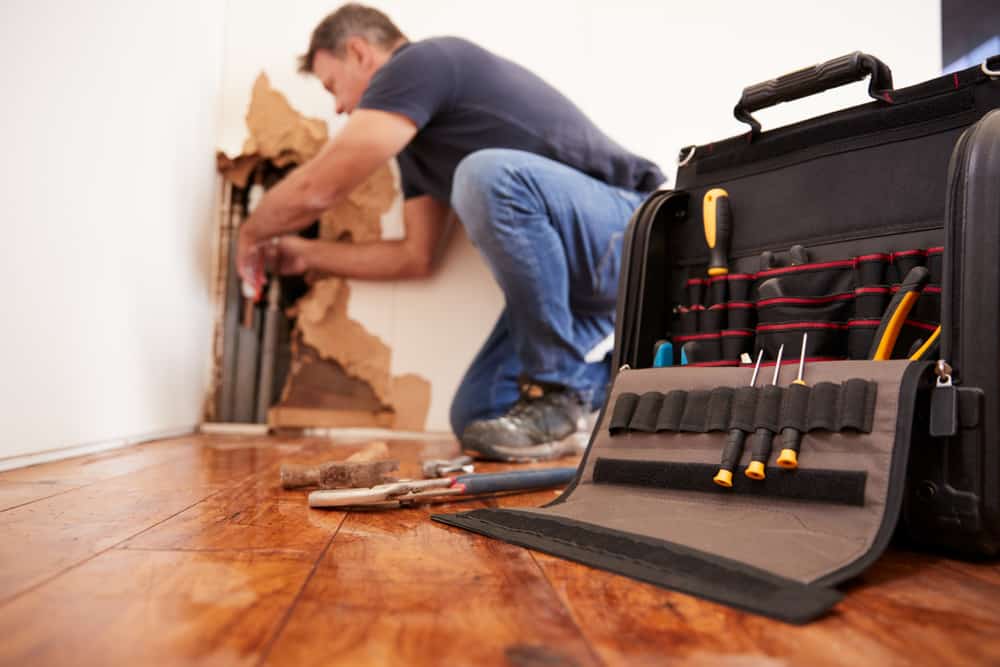
Floods can cause extensive damage to your home, making prompt action crucial. For expert flood cleanup in Rogers and Bentonville, turn to 1-800 WATER DAMAGE of Rogers & Bentonville. We specialize in helping homeowners with water damage restoration in Rogers. Our skilled teams are equipped to assess damage, implement effective restoration processes, and return your home to its pre-flood condition. From drying wall cavities to treating hidden areas, we ensure thorough and comprehensive restoration.
Contact 1-800 WATER DAMAGE of Rogers & Bentonville today at 479-480-5070 for professional flood damage restoration services.