Water has a way of finding its way into places it shouldn’t, and when it does, the damage can escalate fast. But here’s something many property owners don’t realize right away: not all water damage is treated the same.
The difference between water damage and flood damage might seem subtle at first, but it can impact everything from how restoration is handled to whether your insurance helps cover the cost. Understanding that distinction upfront can save you time, stress, and potentially thousands of dollars.
At 1-800 Water Damage of Rogers & Bentonville, we’ve seen firsthand how confusion around this topic can delay proper cleanup. Let’s break it down in a way that actually makes sense.
When Water Comes From Inside the Property
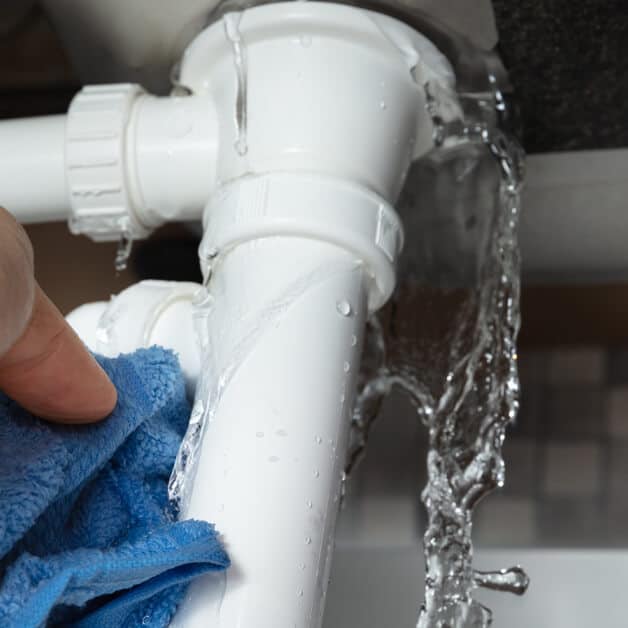
Most everyday water damage starts quietly. A worn-out pipe behind a wall, a loose appliance connection, or a small roof issue can introduce moisture without immediately drawing attention.
In these situations, the source is tied directly to the structure itself. The water hasn’t traveled across the ground or come from a broader environmental event; it originates within the property or its systems.
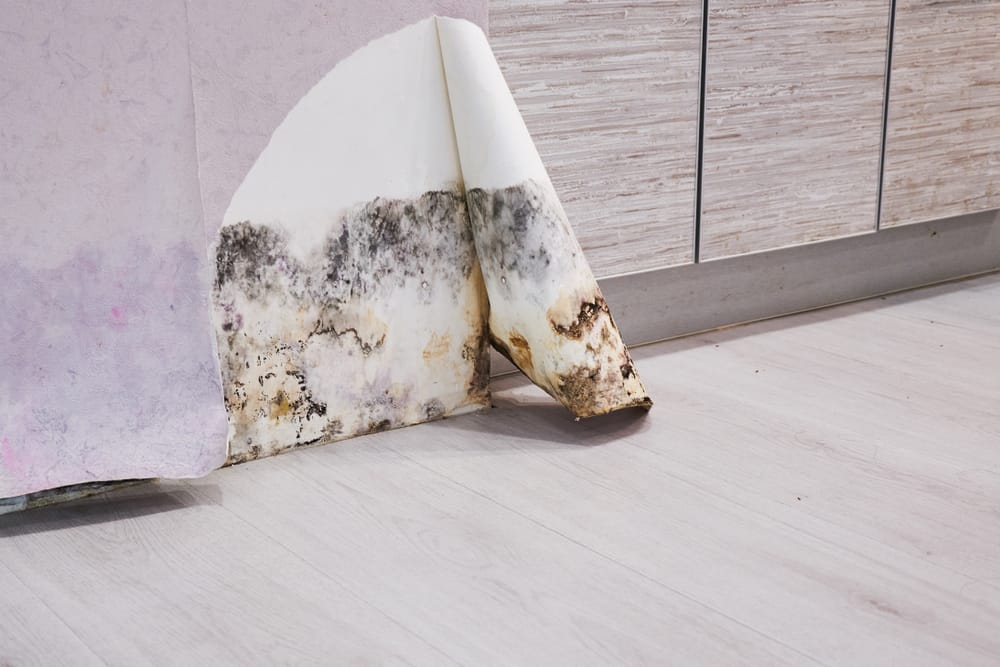
What makes this type of damage especially challenging is how easily it can go unnoticed. A slow leak can persist for weeks, gradually saturating materials and creating ideal conditions for mold growth and the need for mold remediation if left unaddressed. In other cases, it’s immediate and obvious, like a burst pipe that floods a room within minutes.
When Water Comes From Outside
Flood damage is a completely different scenario. Instead of starting within the property, the water comes from outside and enters the structure after moving across land or overwhelming drainage systems.
This could be the result of heavy rainfall, rapidly melting snow, or water levels rising faster than the ground can absorb. In many cases, flooding doesn’t just affect one building, it impacts entire neighborhoods at once.
Because of where that water has been, it often carries debris, contaminants, and bacteria with it. That’s why flood-related situations frequently require more intensive cleanup, sometimes including sewage cleanup protocols depending on exposure.
Why This Difference Actually Matters
Here’s where things become especially important: insurance coverage.
The classification of the damage depends almost entirely on where the water came from, not how bad the damage looks. A single burst pipe can destroy an entire floor and still be considered water damage. Meanwhile, a few inches of water entering from outside during a storm is typically labeled as flood damage.
That distinction plays a major role in whether a standard insurance policy applies. Many policies cover sudden, internal issues but exclude external flooding unless a separate policy is in place.
It’s one of the most common surprises property owners face after a storm.
The Cleanup Process Isn’t One-Size-Fits-All
The way restoration is handled also depends on the source.
With internal water damage, the affected area is often more contained. The focus is on removing water, drying materials, and preventing secondary issues like mold growth.
Flood damage, on the other hand, usually involves a broader scope. Water may have spread across multiple rooms, or even entire levels, and can leave behind contamination that requires deeper cleaning and disinfection.
In both cases, acting quickly is key. Delays allow moisture to settle deeper into materials, increasing the likelihood of structural issues or the need for more extensive water damage restoration work.
Not All Water Is Equal
Another factor people don’t always think about is water quality.
Clean water from a supply line is very different from water that has passed through drainage systems or sat stagnant for an extended period. As water becomes more contaminated, the cleanup process becomes more complex, and more urgent.
Floodwater is almost always treated as highly contaminated because of what it picks up before entering a structure. That’s one of the main reasons professional handling is so important in these situations.
When a “Leak” Turns Into Something Bigger
Sometimes, the line between water damage and flooding can feel blurred. A major internal failure, like a broken pipe or malfunctioning system, can release enough water to impact multiple rooms or levels of a property.
Even in those cases, the classification still comes down to the source, not the scale. But from a restoration standpoint, the response may look similar to a flood scenario simply due to how far the water has spread.
Knowing When to Call for Help
Some minor issues can be handled with quick cleanup, but others require a professional response. If water has soaked into walls, flooring, or structural materials, or if it’s been sitting for more than a short period, it’s time to bring in experts.
The same goes for any situation involving contamination, strong odors, or signs of mold growth. Left untreated, these issues can escalate quickly and impact both your property and indoor air quality.
We’re Ready When You Need Us
Water damage doesn’t follow a schedule, and neither do we.
At 1-800 Water Damage of Rogers & Bentonville, our team is available 24/7 to respond to emergencies of all sizes. Whether you’re dealing with a sudden leak, storm-related flooding, or lingering moisture concerns, we’re here to help you take the next step with confidence.
Call 479-480-5070 for expert support with water damage restoration, mold removal, fire damage restoration, and sewage cleanup throughout Northwest Arkansas.
Frequently Asked Questions
What’s the simplest way to tell if I’m dealing with water damage or flood damage?
Think about the source. If the water came from inside your home, like plumbing or appliances, it’s likely water damage. If it entered from outside due to weather or rising water, it’s likely considered flood damage.
Can a small leak really cause serious damage?
Yes. Even slow leaks can lead to structural issues and mold growth over time if they aren’t addressed early.
Is floodwater more dangerous than regular water damage?
In most cases, yes. Floodwater often contains contaminants from the ground and surrounding environment, making professional cleanup especially important.