Facility water damage is rarely “one big event.” For many properties, it’s everyday risks—aging supply lines, frozen pipes, sprinkler mishaps, and plumbing failures—that can trigger costly downtime fast.
This post is based on a facilities-focused article by Tim Fagan, President of 1-800 WATER DAMAGE, published on FMLink. We’ve translated the key points into a practical, ready-to-use checklist and response plan—plus the fastest way to connect with a local team if you need help now.
Need help with water damage right now?
Time matters. The sooner water is extracted and drying begins, the more you can reduce secondary damage and business disruption.
Tip: If you manage multiple properties, bookmark the location page so you can dispatch help faster during an emergency.
Source: “Steps FMs can take now to mitigate the risk of water damage” (FMLink)
The original article is worth reading in full—especially for facilities and property managers building a repeatable mitigation plan:
Steps FMs can take now to mitigate the risk of water damage (FMLink)
Why this matters: most “flooding” is internal
While major storms get the headlines, many facilities are impacted by internal failures—plumbing issues, fire suppression line problems, aging supply lines, land shifts, freezing events, and accidental sprinkler discharge. These are “when,” not “if” scenarios—so having a plan (and the right partners) matters.
Jump to what you need
- Mitigation checklist (do this now)
- Know your water category
- What to expect during restoration
- FAQ
- Find a local 1-800 WATER DAMAGE team
Know your water category (it changes the response)
The FMLink article outlines four categories of water damage based on contamination risk at the source. In short: clean water may be manageable, but gray or contaminated water requires professional handling to help protect occupants and prevent cross-contamination.
If you suspect sewage or contamination, don’t wait.
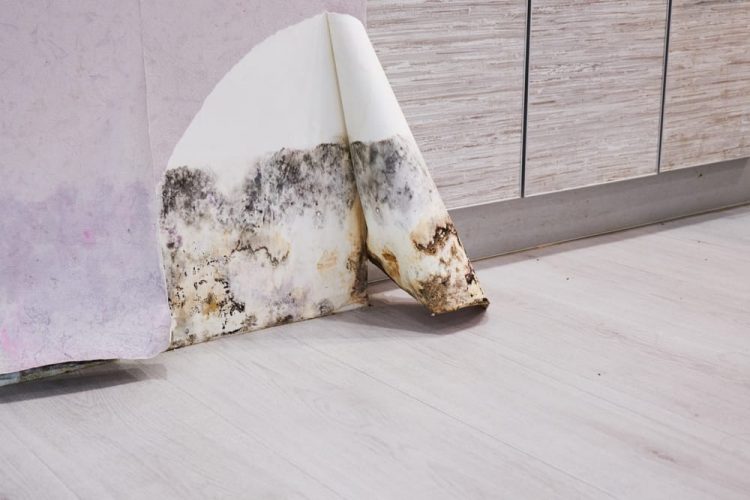
Moisture issues can also lead to microbial growth if not addressed quickly. If you’re dealing with musty odors, visible growth, or repeated dampness, review:
Mitigation checklist: what to do now to reduce facility water-damage risk
Tim Fagan’s guidance centers on prevention and readiness—reducing how often water incidents happen and shrinking the damage when they do. Use this checklist as a plug-and-play starting point for your building (or portfolio).
The “Do This Now” Facility Checklist
- Locate and label water shut-off valves (and confirm who can access them after-hours).
- Know how to isolate leaks by zone, floor, or system.
- Schedule regular maintenance on plumbing and fire suppression lines.
- Verify sump pumps, sewer lines, and drainage systems are operating properly.
- Create an emergency plan and call list (including plumber and restoration partner).
Quick win: run a 15-minute “water risk walk” today
- Look for damp ceiling tiles, stains, bubbling paint, or warped flooring.
- Check mechanical rooms, risers, and areas around water-using equipment.
- Confirm drains are clear and water isn’t pooling near foundations.
If you spot active leaking, standing water, or soaked materials, getting extraction and drying started quickly can reduce the scope of repair. Learn more here:
Be a priority before the emergency
During widespread events (like deep freezes), contractors can be overwhelmed. If you don’t already have relationships in place, you may end up waiting longer for service. Consider establishing a restoration partner and asking about priority response options ahead of time.
Water incident in progress?
Connect with a local 1-800 WATER DAMAGE team for fast response and professional restoration support:
What to expect when you call a remediation team
The FMLink article lays out a realistic restoration sequence. In many cases, the process includes:
- Inspection and assessment (including immediate steps to prevent further damage)
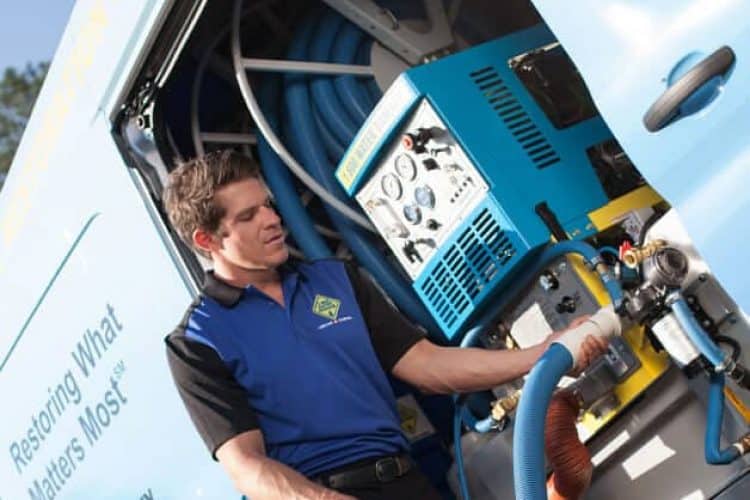
- Water extraction and removal using professional equipment
- Scientific drying based on humidity, airflow, and temperature monitoring
- Cleaning and sanitizing to address contaminants and protect occupants
- Repairs/reconstruction if structural materials were impacted
If you manage commercial properties, review:
Commercial Water Damage Restoration
and more options under
Water & Flood Damage Restoration.
FAQ: facility water damage prevention and response
Find a 1-800 WATER DAMAGE location near you
Whether you’re dealing with an active leak, flooding, or suspected contamination, local help is the fastest path to stabilization and recovery.
Want the full facilities-focused breakdown from Tim Fagan? Read the original:
Steps FMs can take now to mitigate the risk of water damage (FMLink)
Reminder: Many insurance policies place mitigation responsibility on the policyholder—having a documented plan and a ready-to-call restoration partner can help reduce losses and downtime.