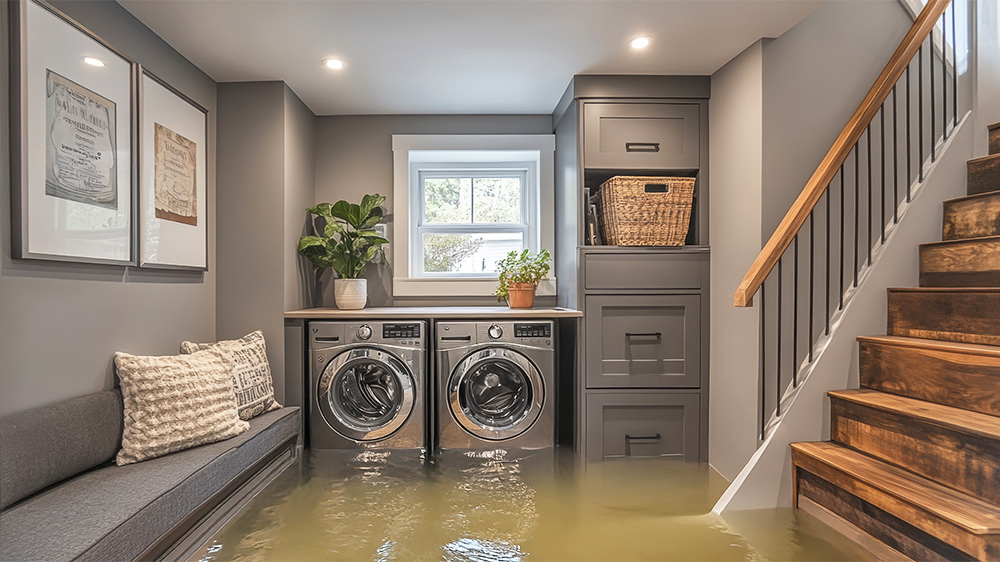
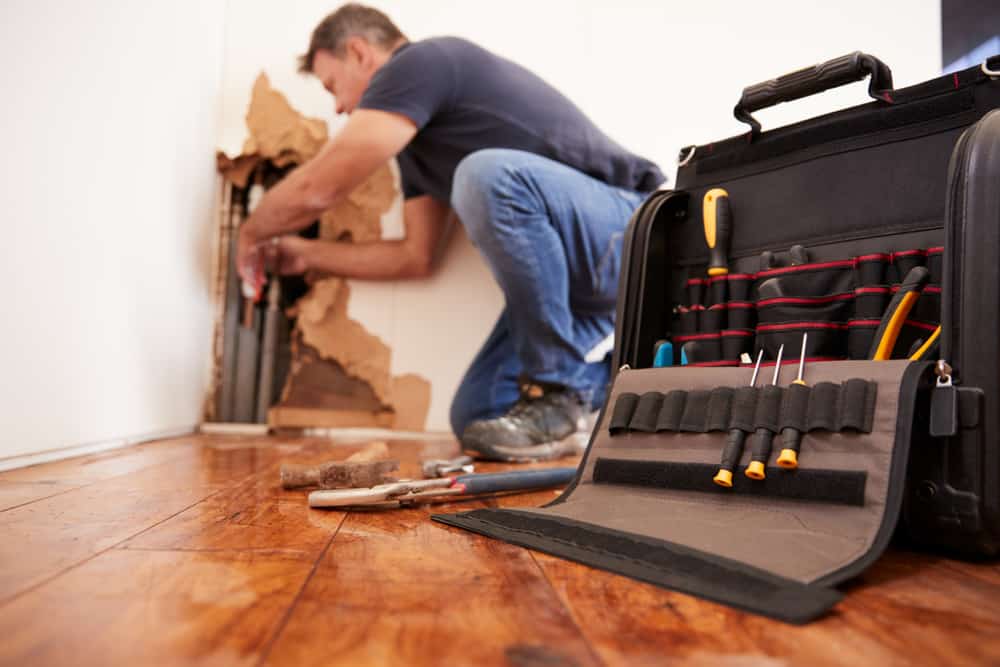
Buying a house with water damage might sound like a red flag, but it doesn’t always have to be a deal-breaker. Sometimes, water issues are manageable and can present an opportunity to purchase a home below market value. The key is understanding the extent of the damage, how it’s been addressed, and whether further repairs are needed. With the help of home inspectors and water restoration professionals, you can make an informed decision.
Here are five essential things to consider before investing in a home with water damage.
1. How Home Inspectors Help
A professional home inspection is a must when buying water-damaged property. Inspectors can assess the severity and provide detailed reports on issues such as:
- Leaking air conditioning systems (from condensation or frozen coils).
- Furnace leaks (caused by broken pumps or clogged drain lines).
Their expertise helps you understand whether the damage is temporary or structural. Some inspectors offer additional services like mold testing and insurance inspections, which are critical for a comprehensive evaluation. However, remember that home inspections differ from specialized assessments done by companies like 1-800 WATER DAMAGE, who focus specifically on remediation.
2. Key Elements of an Inspection
When evaluating a home with water damage, focus on these aspects:
Damage Evidence
Look for visible signs like stains on walls, water rings, or musty smells.
Extent of the Damage
Ask these key questions:
- How much damage occurred?
- When did it happen?
- What areas were impacted?
Inspect for mold growth and possible structural damage.
Water Source
Understanding where the damage originated is crucial for preventing future issues. Common sources include burst pipes, roof leaks, or floods.
Repairs That Were Made
Always investigate how the repairs were completed. Were they done professionally or by the homeowner? Ask for photos, receipts, or documentation.
Property History
Check if the home has a history of recurring water issues. Pay close attention to the HVAC system, plumbing, and electrical infrastructure for hidden problems.
3. Don’t Forget to Look for Mold
Mold is often a byproduct of water damage and poses potential health risks and structural concerns. Evidence of mold includes bumpy or peeling surfaces, slimy textures, or musty odors.
If mold testing hasn’t been conducted, prioritize it. Professional companies like 1-800 WATER DAMAGE of Southwestern Indiana can evaluate and remediate mold effectively to ensure the home is safe for living.
4. Final Tips for Buying a Home with Water Damage
Water-damaged homes aren’t always a bad investment, but you need to evaluate the following carefully:
- When the damage occurred.
- Whether the initial damage was addressed adequately.
- Whether future repairs are feasible and cost-effective.
If the issues can be repaired within your budget and the home meets your needs, it’s possible to turn a water-damaged property into a long-term asset.
5. Contact 1-800 WATER DAMAGE for Professional Help
Whether you need a professional assessment, mold remediation, or water damage repair, 1-800 WATER DAMAGE of Southwestern Indiana is here to help. Their expert team provides comprehensive solutions to ensure your property is safe, structurally sound, and move-in ready.
Call us today at 812-610-4646 to schedule an evaluation or learn more about our services!