Mold often hides in plain sight, lurking unseen until it’s too late. While we’re quick to address obvious threats like fire and water damage, mold’s insidious nature often catches us off guard. This silent danger can wreak havoc on your health and home if left unchecked.
In this article, we’ll shine a light on the hidden dangers of mold, exploring the health risks and outlining effective remediation strategies. Our goal is to empower you with the knowledge and tools to proactively combat mold and protect your family’s well-being.
The Impact of Mold Damage on Health
Mold, a type of fungus, thrives in damp, humid environments. While it plays a vital role outdoors, breaking down organic matter, indoors it becomes a health hazard. Left unchecked, mold can infiltrate your home and create a breeding ground for potential health issues. The severity of these health risks depends on the type of mold, the amount of contamination, and your individual sensitivity.
- Respiratory Issues: Mold exposure can trigger a cascade of health problems, from mild annoyances to more serious respiratory issues. Mold spores, tiny but mighty allergens, invade the air we breathe, setting off a chain reaction of symptoms. For those with allergies or asthma, mold exposure can exacerbate existing conditions, leading to coughing, wheezing, and difficulty breathing. Even those without allergies can experience discomfort, including itchy eyes, a runny nose, and throat irritation.
- Allergic Reactions: Beyond respiratory issues, mold is a notorious allergen. Its spores can provoke allergic reactions ranging from mild to severe, manifesting as sneezing, itchy eyes, skin rashes, and even respiratory distress. Prolonged exposure can heighten sensitivity, making allergic reactions more pronounced and debilitating. It’s crucial to recognize the potential health hazards of mold and take proactive steps to prevent and address infestations in your home.
- Immunological Responses: Mold can do more than just irritate your nose and lungs. It can actually compromise your body’s ability to fight off infections. People with weakened immune systems, like those undergoing medical treatments or with underlying health conditions, are especially vulnerable to mold’s insidious attacks.
- Aggravation of Pre-existing Conditions: Mold can also exacerbate existing health problems. Chronic respiratory illnesses, allergies, and skin conditions can all flare up when exposed to mold. This can significantly impact your overall health and quality of life.
- Toxic Mold: While the term “black mold” often strikes fear, it’s essential to separate fact from fiction. Certain mold species, like Stachybotrys chartarum, can produce mycotoxins – harmful substances. This type of mold thrives on cellulose-rich materials, commonly found in water-damaged homes. However, it’s crucial to remember that not all black mold is Stachybotrys, and not all mold produces mycotoxins.Prolonged exposure to mycotoxins can lead to health issues. Yet, there’s no concrete evidence linking simple inhalation of “black mold” to severe health problems beyond typical allergic and respiratory reactions. It’s essential to approach mold with caution but avoid unnecessary panic. Accurate identification and professional remediation are key to safeguarding your health and home.
Common Sources of Damage Caused by Mold
Mold, the ultimate opportunist, thrives in damp, organic-rich environments. To effectively combat mold, we must understand its favorite hideouts. Common culprits include leaky pipes, floods, high humidity, poor ventilation, damp basements, condensation build-up, water-damaged materials, and simply neglecting regular maintenance. By identifying these sources, we can take proactive steps to prevent mold growth and protect our homes.
Recognizing Mold in Your Home
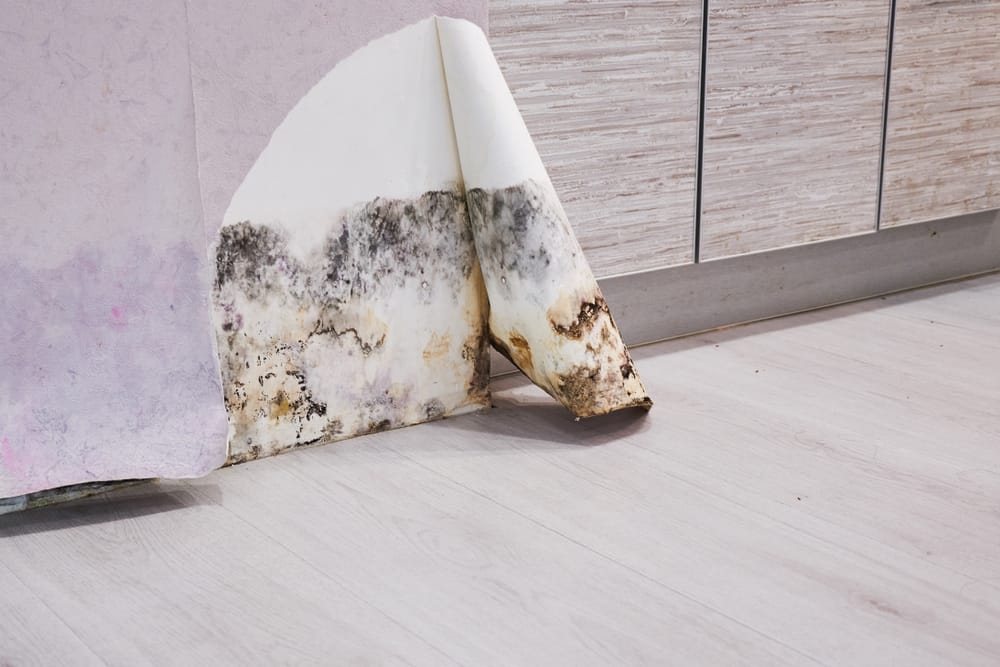
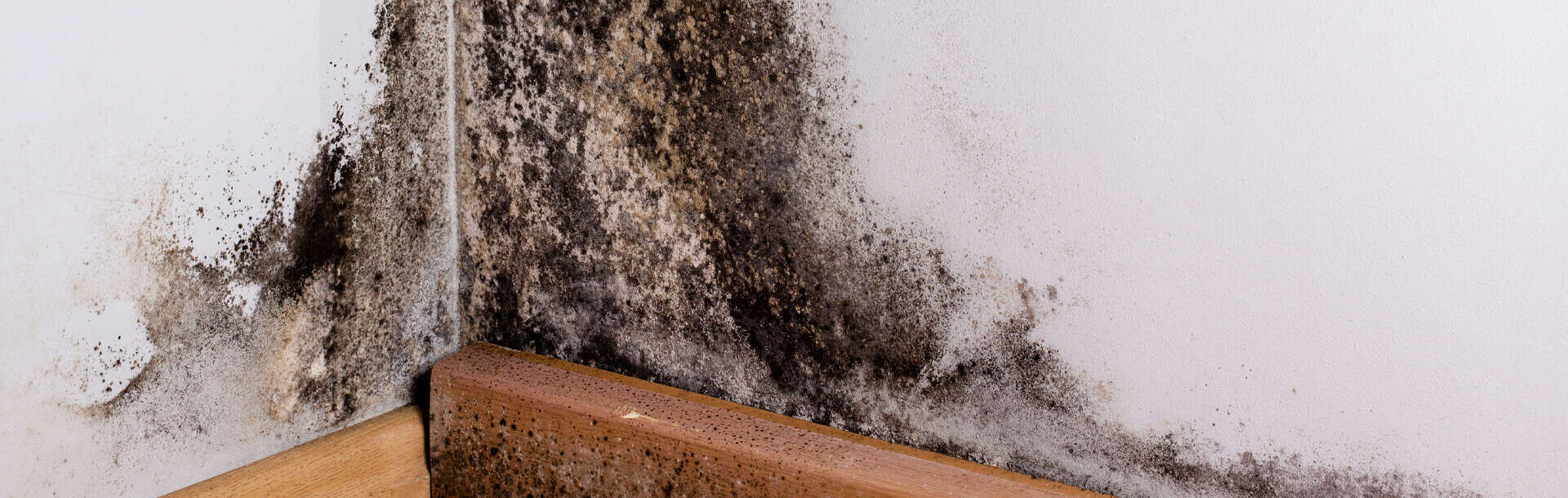
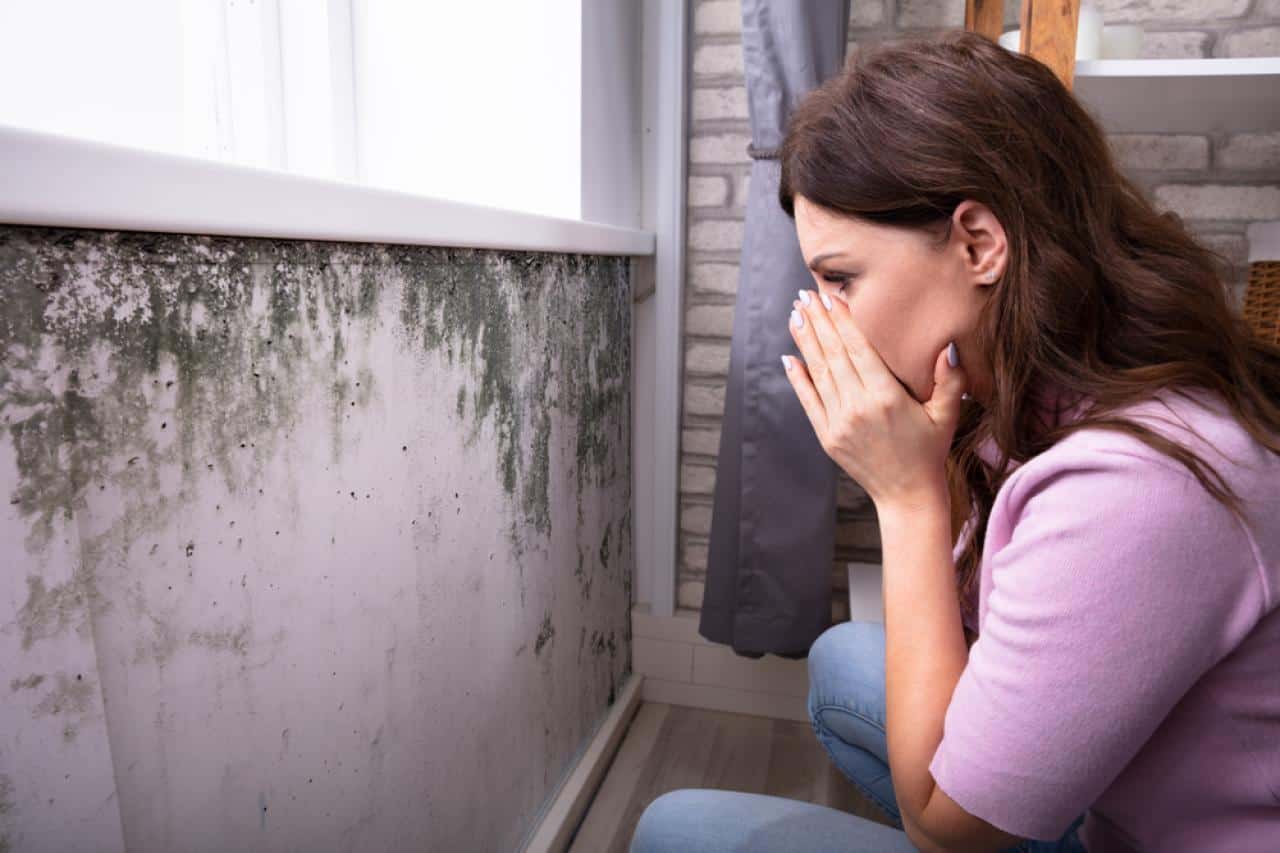
Identifying mold early is crucial for preventing health risks and property damage. Watch out for these telltale signs: visible mold growth (often fuzzy, discolored, or slimy), musty odors, water stains, peeling or bubbling paint, and persistent allergy or respiratory symptoms. Areas with a history of water damage are prime suspects.
If you suspect mold, don’t hesitate to call in the professionals. A thorough inspection can uncover hidden growth and prevent the situation from escalating. Remember, early detection and swift action are key to maintaining a healthy home.
The Process of Mold Remediation
Tackling mold requires a specialized approach. It’s a complex process aimed at safely eradicating mold and preventing its return. To achieve this, a systematic approach is essential. We’ll break down the crucial steps involved in the mold remediation process.
- Inspection and Assessment: The battle against mold begins with a thorough inspection. Our certified professionals at 1-800 WATER DAMAGE meticulously assess the affected areas, pinpointing the extent of the mold damage and identifying the root cause of moisture. This information is crucial for developing a tailored remediation plan.
- Containment: To prevent mold spores from spreading throughout your home, we implement containment measures. This involves creating physical barriers, using negative air pressure, and deploying air scrubbers to isolate the contaminated area.
- Air Filtration: Air filtration is another essential step. Our high-efficiency particulate air (HEPA) filters capture and remove airborne mold spores, ensuring they don’t spread to other parts of your home.
- Removal of Mold-Infested Materials: Mold-infested materials are the enemy and must be eliminated. Carpets, drywall, insulation – anything harboring mold is safely removed and disposed of according to industry standards. This crucial step ensures the mold colony is eradicated and prevents future contamination.
- Cleaning and Disinfection:Salvageable surfaces like tiles and countertops undergo a deep clean and disinfection process. Powerful antimicrobial agents are used to kill any lingering mold spores, leaving surfaces clean and sanitized.
- Drying and Dehumidification: To create a mold-hostile environment, thorough drying is essential. Dehumidifiers and air movers work overtime to extract moisture, preventing mold’s favorite breeding ground.
- Post-Remediation Verification:Once the remediation process is complete, a final inspection is conducted to verify the absence of mold and ensure air quality is restored to safe levels. This includes visual checks, moisture readings, and potentially additional air quality testing.
- Preventive Measures: To prevent future mold problems, we provide expert guidance on moisture control, ventilation, and regular inspections. Understanding the root causes of mold growth is crucial in maintaining a healthy indoor environment. By following these preventive measures, you can significantly reduce the risk of mold recurrence.
Choose 1-800 Water Damage of Southwestern Indiana
When it comes to mold remediation, experience and expertise are paramount. By choosing 1-800 WATER DAMAGE, you’re selecting a team dedicated to restoring your home to its pre-mold condition. Our professionals possess the knowledge, skills, and resources to handle even the most complex mold infestations. With us, you can rest assured that your health and property are in capable hands.
Are you in need of assistance with mold damage? Contact 1-800 Water Damage today for more information, or call 812-625-3475.