Water removal and structural drying
We inspect accessible materials, document visible conditions, use moisture readings and manage approved extraction and drying.
24/7 restoration help for basement flooding, plumbing leaks, sewage, fire, smoke, mold and commercial losses.
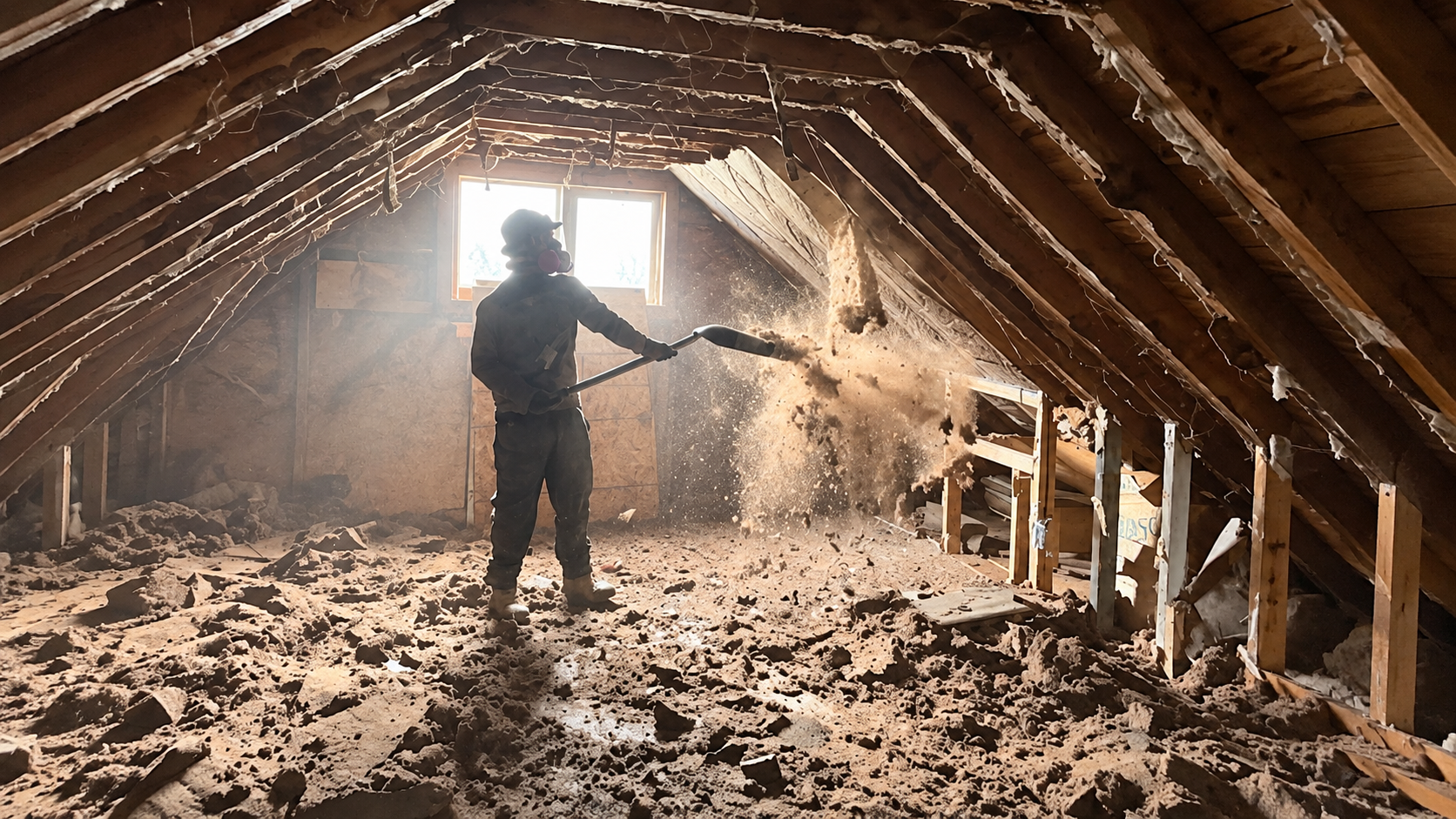
Avon Lake’s official guidance separates drainage on private property from conditions in the public right-of-way. It also identifies several possible basement-water sources, including sanitary backup, sump failure, wall cracks and root-obstructed sewer lines.
How we help: Our restoration role begins inside the building: document accessible damage, remove water within the approved scope, map moisture, clean contamination when required and manage structural drying. A plumber, sewer professional, roofer or public authority may still be needed to correct the source.
Avon Lake’s official guidance separates drainage on private property from conditions in the public right-of-way. It also identifies several possible basement-water sources, including sanitary backup, sump failure, wall cracks and root-obstructed sewer lines.
That guidance helps route a source concern, but the damaged building still needs its own assessment.
The same visible water line can point to very different repair, safety and cleaning decisions.
Each service path explains immediate safety concerns, the restoration process and what property owners can expect next.
We inspect accessible materials, document visible conditions, use moisture readings and manage approved extraction and drying.
After emergency officials release the property, we address authorized debris, soot, smoke residue, odor and suppression water.
We evaluate accessible areas, establish containment when appropriate and perform approved removal and cleaning.
We remove contaminated water and nonrestorable materials, clean restorable surfaces, dry the structure and document the work.
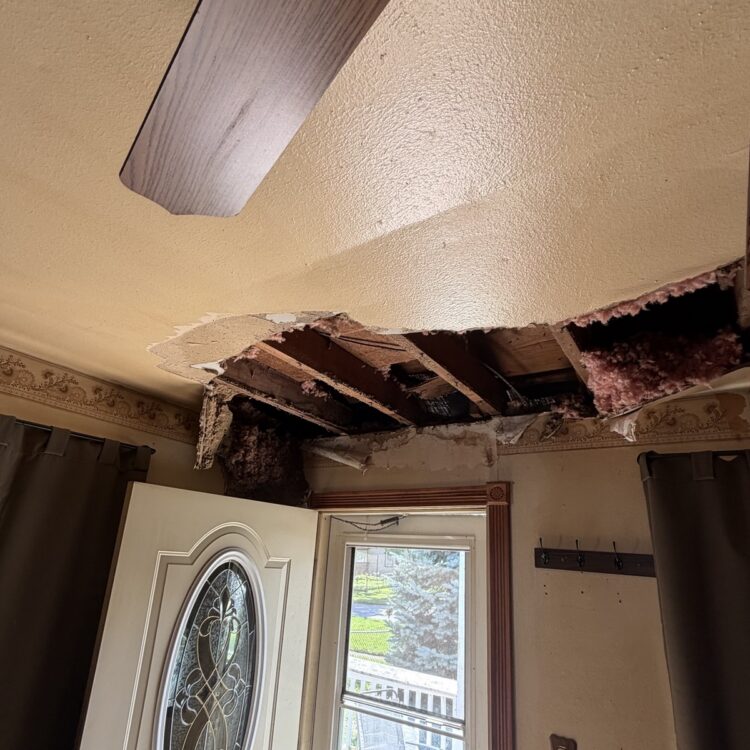
Water from a broken supply line, exterior entry and a sewer backup can affect the same flooring but create different cleaning, removal and safety decisions. Source information and material condition help determine what can be dried and cleaned and what may need to be removed.
A professional restoration plan should explain that reasoning rather than treating every wet basement the same. Our hidden-moisture guide explains how connected materials are evaluated. Read the hidden moisture and structural drying guide.
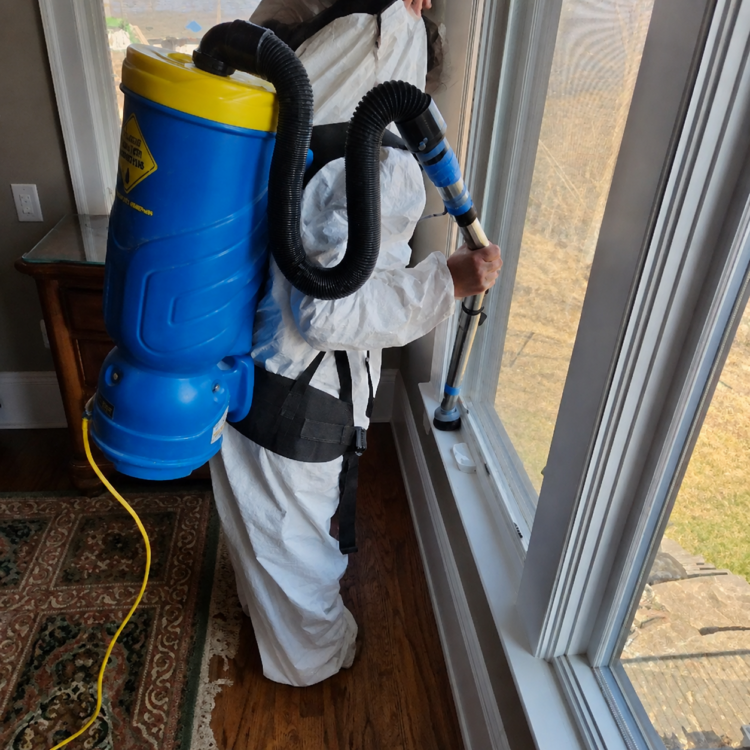
Smoke residue and odor may affect rooms that were not directly burned, while suppression water can add damage to flooring, walls, insulation and contents. We document accessible soot and water conditions and explain the approved restoration scope.
Coverage and payment decisions remain with the insurance carrier. Our job is to make the observed conditions and restoration work understandable.
Tell us: whether water appeared at a drain, wall, window, sump, fixture or appliance; whether it is still entering; and which rooms or levels are affected.
Mention sewage concerns, wet electrical equipment, sagging material, an official restriction or whether a plumber, public authority, insurer or property manager is already involved. Clear observations are more useful than a guess.
Not every loss fits a single box. We confirm conditions, access, hazards and the approved scope before work is scheduled.
For a biological contamination concern, restrict access and avoid handling affected material. Tell us what occurred, what area is involved and whether an authority or specialist has already responded. We confirm whether the condition fits our approved local services.
Our North Royalton-based Cleveland West team serves homes, businesses and managed properties throughout Medina, Cuyahoga and Lorain Counties.
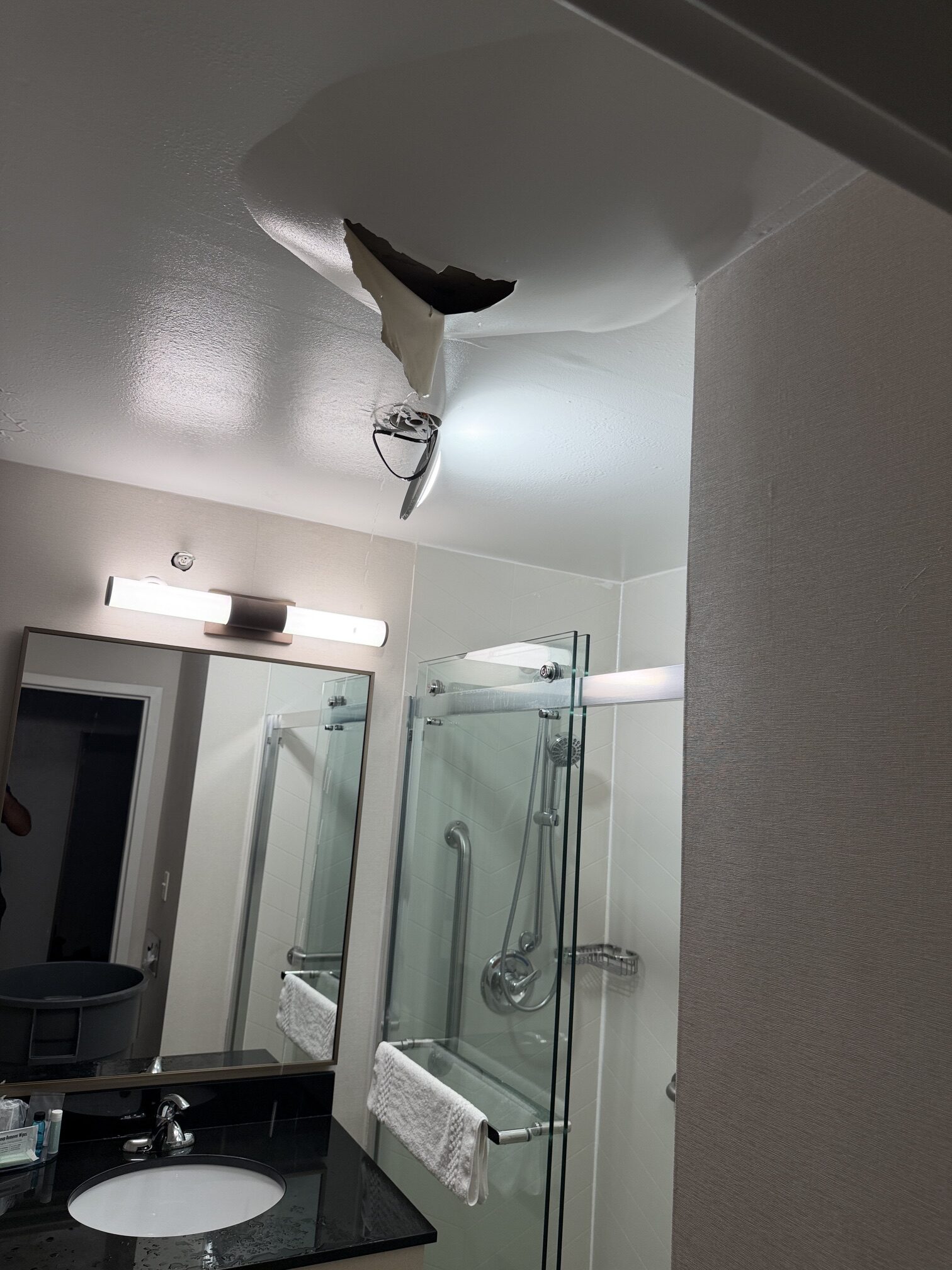
Commercial and multifamily losses need an organized handoff covering known hazards, affected operations, occupied areas, access requirements and authorization. We coordinate approved water removal, cleaning and drying with the property’s decision-makers.
Clear information for property owners before the restoration process begins.
Avon Lake’s official guidance distinguishes private-property drainage from drainage in the public right-of-way. A plumber, drainage contractor, foundation specialist or another qualified provider may be needed for a private source. Restoration work addresses the water and affected materials inside the building.
Yes. Avon Lake identifies possible causes that include sanitary backup, sump failure, wall cracks and root-obstructed sewer lines. Plumbing and exterior conditions can also overlap. The source and contamination concern should be evaluated rather than assumed from where the water first appeared.
Stop using fixtures that may add flow, keep occupants and pets out of the area, avoid direct contact and do not use household fans there. Report the source through the appropriate public or private route, then have affected materials professionally evaluated.
Not necessarily. Moisture can remain beneath flooring, behind baseboards and inside connected materials. The plan may also require cleaning, disinfection, selective removal and monitored structural drying depending on the source and affected materials.
Yes. The Cleveland West team handles water and flood damage, fire and smoke damage, mold, sewage, approved biohazard conditions and commercial restoration within the authorized scope.
Yes. We provide 24/7 emergency restoration service, 7 days a week, throughout Lorain, Cuyahoga and Medina Counties. Availability does not create a guaranteed arrival time.
Based in North Royalton, our Cleveland West team serves Avon Lake and communities throughout Lorain, Cuyahoga and Medina Counties.