What Should You Do If You Find Mold?
Mold growth means moisture is present now or was present before. Avoid disturbing a large area, painting or caulking over visible growth, or running an HVAC system you believe may be contaminated. If sewage or other contaminated water is involved, avoid contact and use a qualified cleanup professional. If anyone has health concerns, contact a healthcare professional.
1-800 WATER DAMAGE of Cleveland West provides mold damage restoration for homes and businesses throughout Cuyahoga, Lorain and Medina Counties. We can document visible conditions, identify affected materials and moisture concerns within our scope, and develop a remediation plan based on the conditions found.
Why Does Moisture Control Matter?
The key to controlling indoor mold is controlling moisture. The EPA recommends drying water-damaged areas and materials within 24 to 48 hours to help prevent mold growth. That is prevention guidance, not a guaranteed timetable for when every mold problem begins. Materials, temperature, humidity, airflow and how long an area stayed wet can all affect the conditions.
Fixing or coordinating correction of the moisture source is an essential part of the plan. Cleaning visible growth without addressing a leak, condensation, humidity or prior water damage can allow the problem to return. Read the EPA guide to mold, moisture and your home.
If moisture may be hidden behind finished materials, read our Hidden Moisture and Structural Drying Guide.
What Are Common Signs of a Mold or Moisture Problem?
- Visible spotting or discoloration on walls, ceilings, floors or contents.
- A persistent musty odor.
- Leaks, elevated humidity, recurring condensation or previous water damage.
- Drywall, carpet, insulation, ceiling tile or other porous material that remained wet.
- Suspected growth behind walls, under flooring or near an HVAC intake.
Color alone does not determine the type of mold or the level of health risk. If visible growth is present, the EPA says routine sampling is usually unnecessary unless the result would change the cleanup plan or a qualified professional recommends it.
When May Professional Mold Help Be Appropriate?
The EPA says an area smaller than about 10 square feet can often be handled by the property owner. Experienced professional help may be appropriate when growth covers a larger area, there has been major water damage, sewage or other contaminated water is involved, hidden mold is suspected, the HVAC system may be affected, or occupants have health concerns. People with asthma, mold allergies, chronic lung disease or weakened immune systems should follow CDC guidance and speak with a healthcare professional about exposure concerns.
See the EPA mold-cleanup guidance and the CDC mold overview.
How Can Mold Damage Restoration Work?
The exact scope depends on the moisture source, affected materials, size of the area, occupancy and whether outside specialists are needed. Depending on the conditions and approved scope, professional work may include documenting visible conditions, planning containment, removing materials that cannot be cleaned or restored, cleaning restorable surfaces and contents, using air-filtration methods when appropriate, drying affected areas and documenting the completed work.
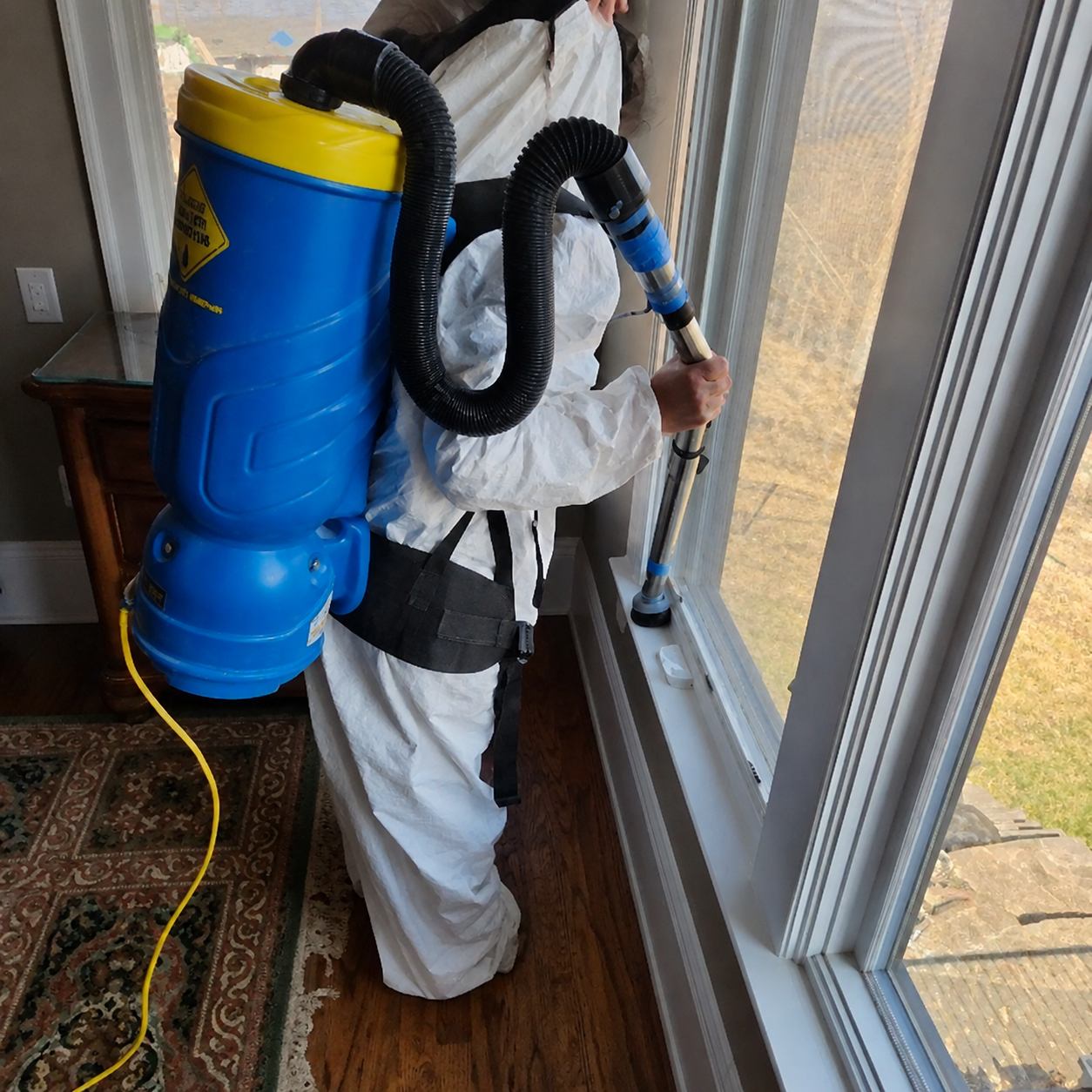
A plumber, roofer, HVAC contractor, structural professional, healthcare professional or independent environmental professional may be needed for work or decisions outside the restoration scope. No contractor can guarantee that mold will never return if moisture conditions recur.
Do You Help Homes and Businesses?
Yes. Residential work focuses on the affected rooms, belongings and safe access for the household. Commercial work can also require planning around occupants, tenants, operating hours, documentation and business priorities. The same basic rule applies to both: address moisture and build the remediation scope around the materials and conditions found.
How Does Professional Mold Remediation Work?
Our detailed Mold Removal and Remediation guide explains professional-scope decisions, common process steps, testing, standards, project timing and insurance questions.