Commercial water damage can interrupt people, operations, access and revenue across more than one part of a property. Protect people first, restrict unsafe areas and document the source and affected spaces. When it is safe, have the proper provider stop the active source while the restoration team evaluates water removal, moisture and drying needs.
1-800 WATER DAMAGE of Cleveland West provides 24/7 emergency restoration service, 7 days a week, for businesses and managed properties throughout Cuyahoga, Lorain and Medina Counties. This guide helps owners, property managers and facility teams organize the first response, coordinate restoration and make decisions using verified site conditions.
Last reviewed: September 12, 2026.
Start With Safety, Source Control and Site Priorities
Keep employees, customers, residents, guests and vendors away from standing water, wet electrical equipment, damaged ceilings, contamination concerns and unstable materials. If the building or affected area is unsafe, follow emergency officials and qualified building professionals before cleanup begins.
Record which rooms, tenant spaces, corridors, common areas, mechanical spaces and neighboring floors may be affected. A clear area list helps property leadership plan access, temporary closures, communications and operational priorities while the restoration assessment is underway.
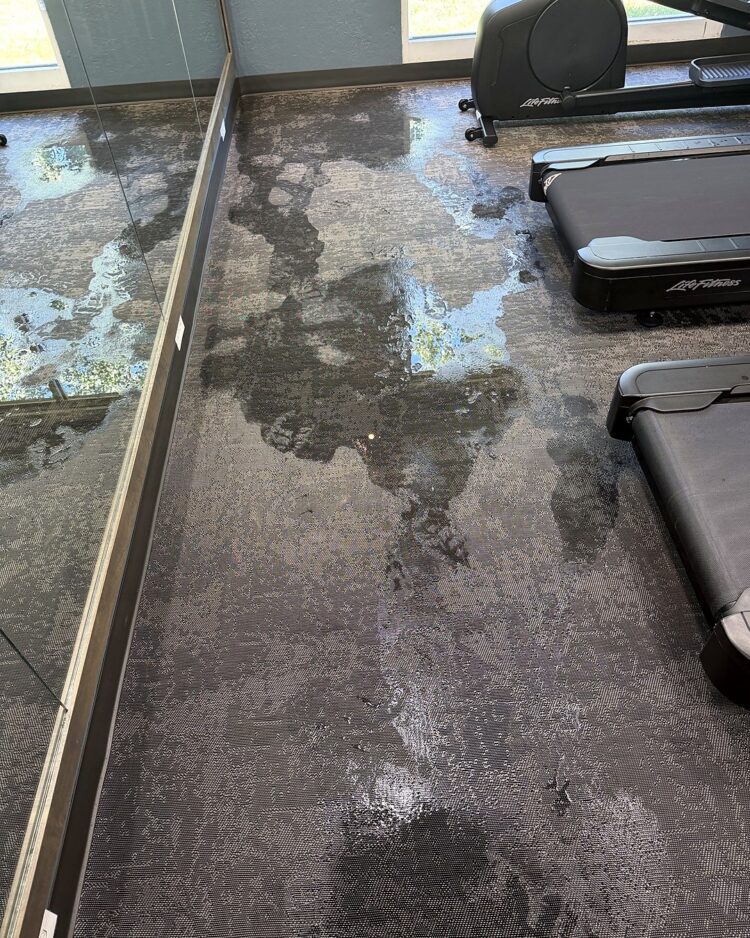
Coordinate Water Removal Around Business Operations
The restoration team can assess accessible affected areas, remove standing water within the approved scope, map moisture and establish a drying plan. Property leadership can help by identifying occupied spaces, priority operations, restricted areas, access routes, utility controls and the people authorized to approve work.
Keep one current list of affected spaces, the source status, safety restrictions, equipment locations and approved contacts. That reduces conflicting instructions and makes updates easier for ownership, management, employees, occupants and insurance representatives.

Plan Drying Across Occupied, Shared and Restricted Spaces
Water can travel under flooring, into wall assemblies and into spaces that look dry from the surface. Moisture measurements and continued monitoring help the restoration team evaluate progress and adjust equipment based on verified conditions.
Drying equipment can affect access, noise and traffic flow. Property management should coordinate safe routes, protect equipment from disturbance and avoid moving or shutting it off unless the restoration team or another qualified provider directs it.

What Commercial Property Leaders Should Document
- People and access: Employee, customer, resident, guest and vendor restrictions, safe routes and the onsite contact responsible for access.
- Source and timeline: When the loss was discovered, what appears to have failed and whether the active source is stopped.
- Affected spaces: Rooms, corridors, common areas, floors, contents and neighboring spaces that may have been reached.
- Business priorities: Occupied areas, scheduled activity, critical operations and spaces that need coordinated access.
- Work updates: Approved scope, equipment locations, moisture information, material decisions and changes in conditions.
- Decision-makers: Property ownership, management, insurer, adjuster and qualified trade or safety contacts.
Return-to-Use Decisions Need Verified Conditions
A restoration company should not promise when a room, tenant space, floor or building will return to use before the source, hazards, affected materials, moisture conditions, approvals and required specialist work are understood. Property leadership and the appropriate authorities remain responsible for occupancy and reopening decisions.
Ready Business recommends emergency planning that includes communications and continuity. The Occupational Safety and Health Administration identifies electrical, structural, contamination and other hazards that can be present after flooding. The Environmental Protection Agency emphasizes moisture control and prompt drying of water-damaged materials.
Download the Commercial Water Damage First-Call Checklist
Keep this one-page response sheet available for property managers, owners and facility teams. It lists the safety, access, source and documentation details that help make the first call more useful.
Learn more about our Commercial Restoration Services, Commercial Water Damage Restoration, Commercial Water Loss First-Call Checklist and Restoration Insurance Documentation Guide.
Need help with commercial water damage? Submit a service request or call (440) 482-8286.