Water removal and structural drying
We inspect accessible materials, document visible conditions, use moisture readings and manage approved extraction and drying.
24/7 restoration help for water, flooding, sewage, fire, smoke, mold and commercial property losses.
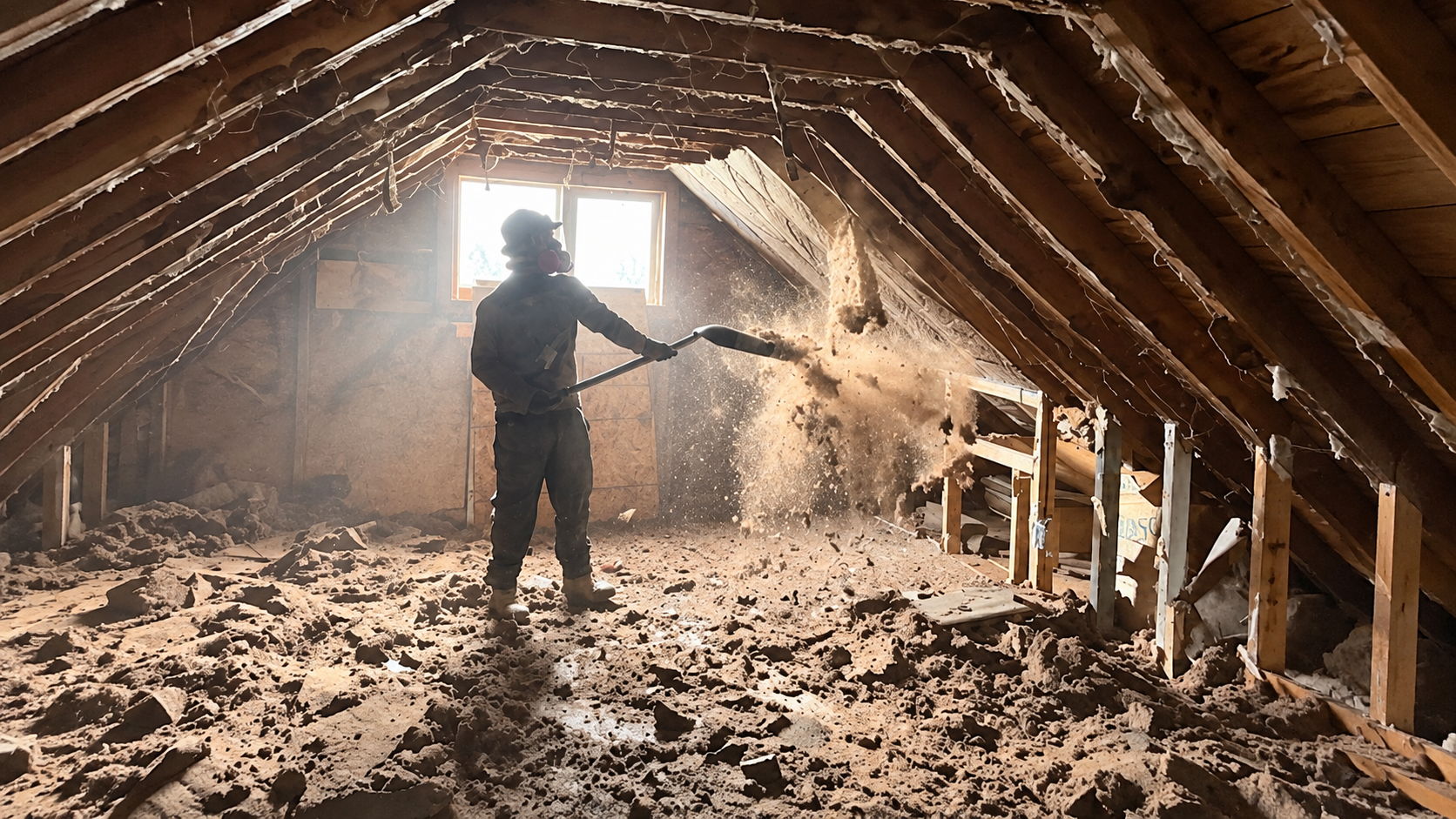
Strongsville stretches from neighborhoods around Mill Stream Run to the Pearl Road and Town Center areas and a substantial business and technology corridor. Larger homes, wooded lots, offices and commercial facilities each create different access, runoff, occupancy and drying considerations after a loss.
How we help: Stormwater or flood-hazard context cannot identify the source inside a specific building. A plumber, roofer, drainage contractor or other professional may need to correct it; we define the affected interior and coordinate approved extraction, cleaning and structural drying.
Strongsville’s stormwater rules address runoff, erosion and downstream flooding, while its flood-hazard rules identify regulated flood-hazard areas.
Drainage paths, grading, heavy rain and floodplain location are useful questions, but they do not establish why water entered a particular building.
The source concern, immediate safety and affected building materials can require separate decisions and professionals.
Each service path explains immediate safety concerns, the restoration process and what property owners can expect next.
We inspect accessible materials, document visible conditions, use moisture readings and manage approved extraction and drying.
After emergency officials release the property, we address authorized debris, soot, smoke residue, odor and suppression water.
We evaluate accessible areas, establish containment when appropriate and perform approved removal and cleaning.
We remove contaminated water and nonrestorable materials, clean restorable surfaces, dry the structure and document the work.
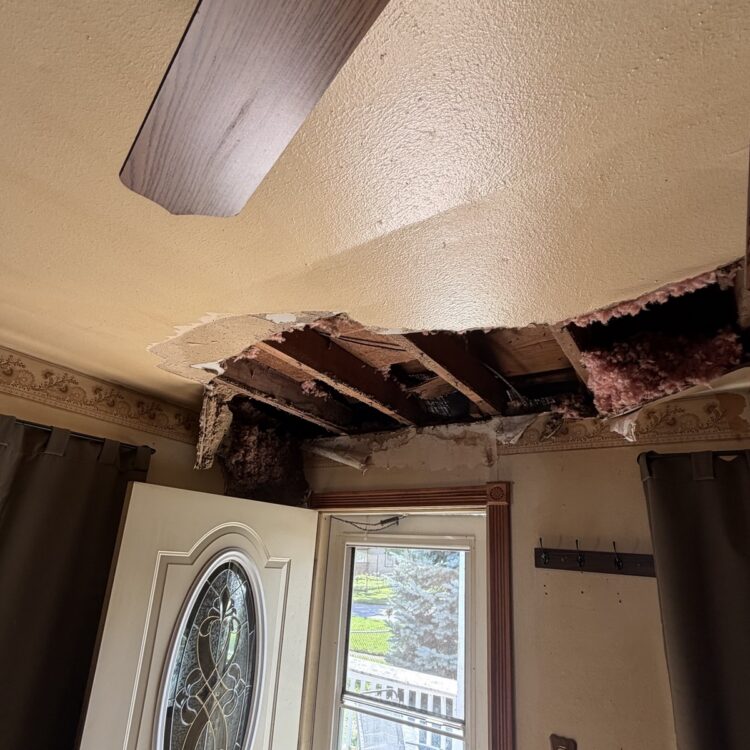
Basement or first-floor water may come from exterior runoff, a foundation opening, plumbing, an appliance, a roof, a sump or a sewer backup. We inspect accessible areas, document likely source and contamination concerns and map affected materials.
The source and the interior restoration can require different professionals. Our hidden-moisture guide explains how readings and monitored drying support the plan. Read the hidden moisture and structural drying guide.
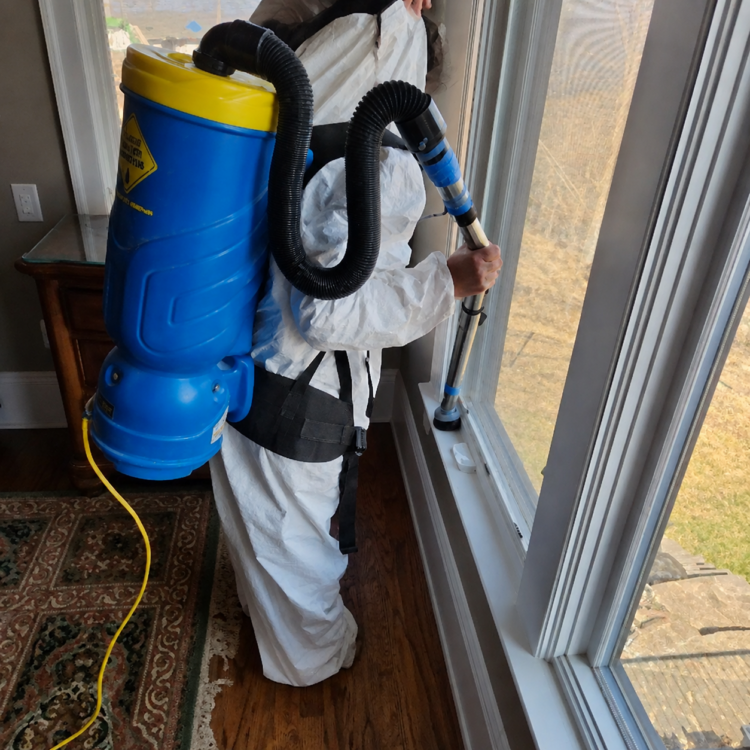
After officials permit entry, soot, smoke residue, odor and suppression water may affect rooms and materials beyond the visibly burned area. We document accessible conditions, remove authorized debris and coordinate approved cleaning and drying.
Coverage and payment decisions remain with the insurance carrier. Our job is to make the observed conditions and restoration work understandable.
Tell us: where the water or damage first appeared, whether the source is active, whether sewage or another contaminant may be involved and which rooms, levels or operating areas are affected.
Mention sewage concerns, wet electrical equipment, sagging material, an official restriction or whether a plumber, public authority, insurer or property manager is already involved. Clear observations are more useful than a guess.
Not every loss fits a single box. We confirm conditions, access, hazards and the approved scope before work is scheduled.
Some biological materials require controlled handling, protective equipment, cleaning, disinfection and regulated disposal. Tell us what is known, what area is involved and whether an authority or another specialist has responded. We confirm the approved local scope before accepting the work.
Our North Royalton-based Cleveland West team serves homes, businesses and managed properties throughout Medina, Cuyahoga and Lorain Counties.
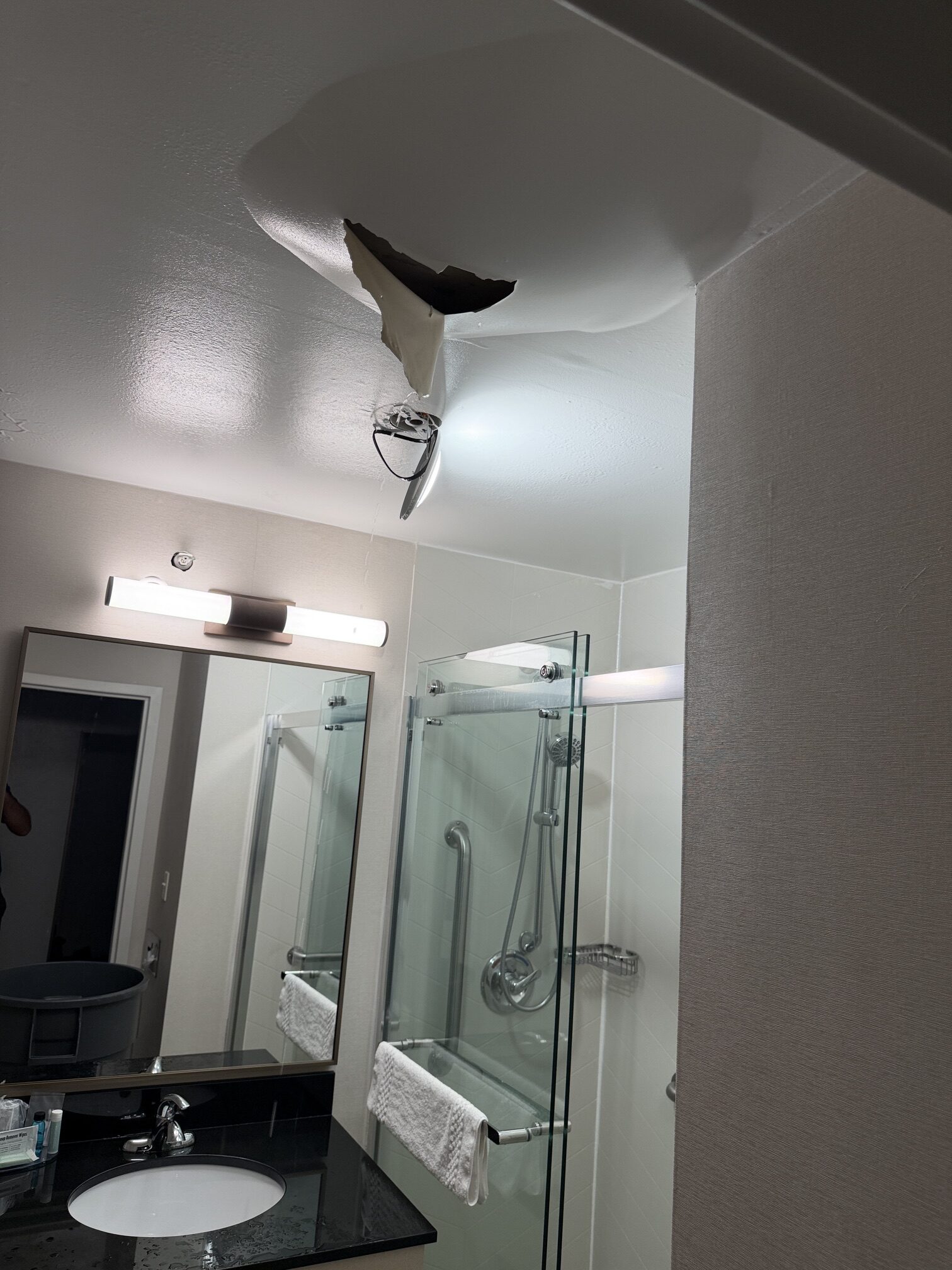
For offices, retail spaces, multifamily buildings and other facilities, we document visible damage, help define accessible affected zones and coordinate approved cleaning and drying around occupants, operations and authorized access.
Clear information for property owners before the restoration process begins.
Yes. 1-800 WATER DAMAGE of Cleveland West provides 24/7 emergency restoration service, 7 days a week, in Strongsville and throughout Cuyahoga, Lorain and Medina Counties. No specific arrival time is guaranteed.
Put safety first. Avoid wet electrical equipment and rooms with sagging ceilings. If it is safe, stop an active source and take photos without entering an unsafe area. Keep people and pets away if sewage or unknown water may be involved.
No. They provide useful local context for runoff, grading and flood-hazard questions, but the source of water inside an individual building still needs a property-level assessment.
Not automatically. A plumber, sewer professional, roofer, electrician or public authority may need to correct the source. Our approved scope addresses water, contamination concerns, wet materials, cleaning and drying.
We use moisture readings and visual inspection to help identify accessible affected materials and map the drying area. The readings help guide equipment placement and show whether materials are drying as expected.
When authorized, we can document visible conditions, the approved scope and restoration work and communicate with an insurer or adjuster. The insurance company determines coverage, limits, deductibles and payment.
Based in North Royalton, our Cleveland West team serves Strongsville and communities throughout Cuyahoga, Lorain and Medina Counties.