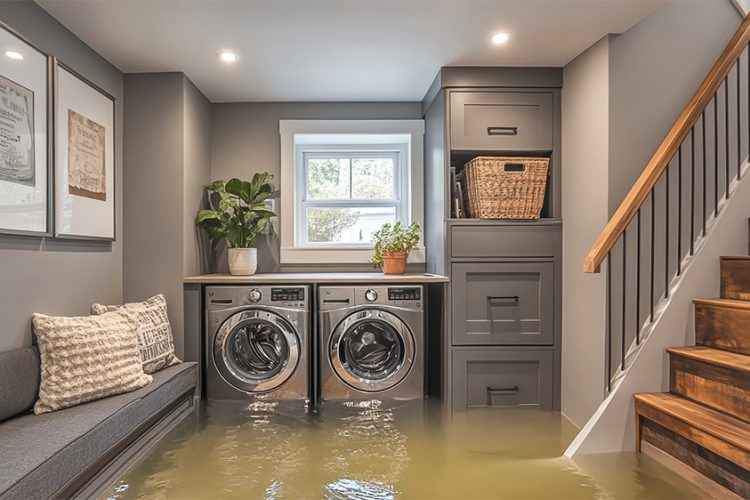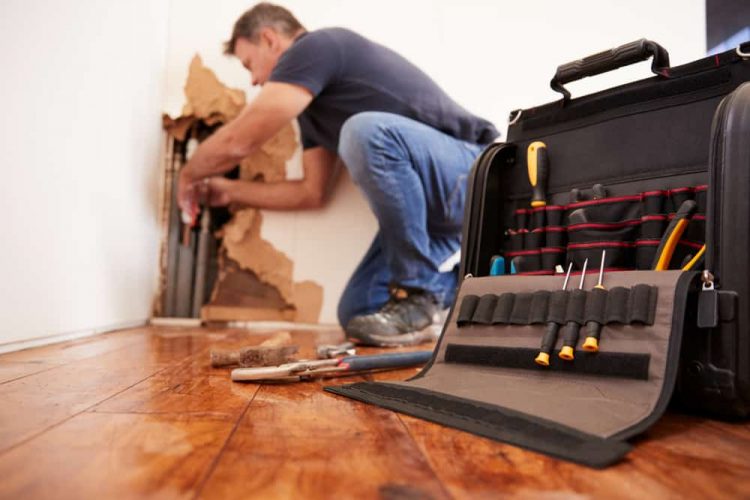
 How do you prevent your home from flooding? As professionals in the flood restoration business, we often hear from many people interested in flood-proofing their homes. Unfortunately, completely flood-proofing a house isn’t possible because too many factors come into play, and Mother Nature is always unpredictable. But you can take steps to help with flood prevention.
If you found our page by searching ‘how to prevent home from flooding’ online, we’re sorry to tell you that, the fact is, you can’t. Every storm is different. Every property is different. Every plan for community drainage is different.
But that doesn’t mean flooding is inevitable or even likely. You can take measures to help with flood prevention and to help minimize flood damage. Based on our experience with flooded properties, we’ve compiled some tips for how to help prevent homes from flooding, as well as advice on what to do if a flood has impacted your home.
So, if you’re interested in learning how to minimize the chance of a flood or how to help keep water out of your house, you’re in the right place! Let’s look at some flood prevention tips and strategies.
NOTE: This is only intended as an overview of basic recommendations for helping to understand how to prevent your home from minor flooding. To fully understand your home or business’s flood risk and explore resources to help you best navigate that risk, we recommend checking out FEMA’s in-depth guide, “Know Your Flood Risk: Homeowners, Renters or Business Owners.”
-
Flood Prevention Tips for the Outside of Your Home
Whether the home you want to protect from flooding is a new build or an existing home, if you live in a flood-prone area, it’s essential to consider flood insurance. No matter how many steps you take to prevent your home from flooding, you can’t predict what will happen. Flood insurance is a proactive measure so you can more easily restore your home to normal, no matter what occurs.
In addition to purchasing flood insurance, there are some ways the outside of your property can help with flood prevention and help you avoid the need for water damage cleanup and restoration.
Let’s review a few methods for how to prevent your home from flooding.
Tips for Building A
Flood-Resistant HomeWhen building a home, elevation, and location are your two best tools for improving flood resistance. Ensuring your home is sufficiently elevated and built back from river channels and shorelines is an excellent first step in safeguarding your home against potential flood waters. In many flood-prone areas, local building codes and standards may already require new construction homes to be raised above specific flood levels.
Landscaping can be another key strategy when considering strategies to help prevent your home from flooding. Yards should be properly graded to allow water to drain away from your house and foundation. Plants, trees, and shrubs should also be installed to absorb more water, minimize runoff, and reduce erosion.
Mature trees and group plantings are particularly beneficial because more extensive and established root systems are better for promoting drainage. Even if your new home is not in a high-risk flood area, you can, and should, design and utilize landscaping to drain water away from your house.
Tips for Protecting Your Existing Home from Flood Damage
Following the same landscaping recommendations for homes that are already built can ensure the exterior of your house will be the first line of defense against flooding. Some important exterior property maintenance tasks should be done regularly to deter water from leaking into your home, these include:
- Windows and doors. Check for cracks and gaps and seal them. Remember to check the weatherstripping regularly because it can warp or deteriorate over time.
- Roof. Inspect your roof for missing or broken shingles. If you are worried or suspect any problems, contact a qualified roofing company to conduct a full roof inspection. Take care of any roofing issues right away.
- Downspouts and Gutters. Ensure downspouts, gutters, and gutter guards are free of debris and aimed away from the house, so water can drain easily and be directed away from the foundation of your home. Add downspout extensions if water is pooling right next to your foundation.
-
Request A Quote Or Service Today
Tips to Prevent Flooding
Inside Your Home
When considering how to protect the interior of your home, it is largely about minimizing the damage that can be caused if or when flooding occurs. Here are a few strategies to take to help prevent flooding inside your home.
Utilities, Appliances, and Sump Pumps
Elevate utilities and appliances. The best practice is to elevate mechanical units, furnaces, water heaters, electrical systems, and other utilities on masonry, concrete, or pressure-treated lumber at least 12 inches above the base flood elevation (BFE).
Install a sump pump. Sump pumps are often added or upgraded in existing homes after a basement experiences flooding. If you’re building a new home, however, installing a sump pump from the start is a proactive way to prepare for and help prevent any future flooding in the basement. If you live in an area prone to flooding, it may be worth considering a backup pump system and/or generator to keep the pump running as well.
Flooring, Basements, and Other Concerns
- Flooring. If you have a finished basement, consider tile floors or finishing the concrete instead of adding wood floors or carpets. For homes on a slab, or for the first floor, consider replacing carpeting with tile.
- Reseal and waterproof the unfinished basements. Over time, cracks can develop in foundations or floor slabs, which can allow water to start leaking into a previously dry basement. Even cement floors and walls can deteriorate!
- Inspect appliances. Appliances are a common culprit of plumbing-related floods. Inspect your appliances regularly to ensure there are no cracks or leaks. Check the hoses and supply lines of water heaters, dishwashers, washing machines, refrigerator ice makers, and any other appliances connected to water.
- Travel considerations. If you plan to be away, shut off the water supply while on vacation. If someone is staying at your home, be sure they know how to shut off the main water supply in case of emergency.
Minimize the Impact When a Flood is Imminent
When a flood event is due to occur in your area, a few steps can help to reduce the damage and impact of the flooding and minimize potential water infiltration into your home. In these situations, it’s not so much about flood prevention, but how to limit the extent of the problem:
- Securing yard items. If a flood is anticipated, secure items in the yard (benches, sheds, grills, etc.) in advance. This can help to prevent them from getting swept away, or from crashing into your home.
- Take flood prevention measures. If you have been warned of a flood event, sandbag barriers and boarding up your home can be effective preventative measures to manage flooding. In a crisis, this will help to keep flood water out of your house.
- Fill in the gaps. Look for holes, cracks, or other small points of entry around the home. You’ll want to caulk up areas wherever you can. Check the seals and weatherstripping on your doors and windows, in case they need replacement.
A few last flood preparedness tips: you can lift the furniture off the floor to protect it as much as possible. Pack items in waterproof bins and place them on shelving that’s off the floor. Store any important items or documents off-site.
You’re Home Has Flooded,
Now What?
While every homeowner wants to know about flood prevention tips, it’s just as important to know what to do if your home has flooded. This is where 1-800 WATER DAMAGE can help get your home back to a pre-loss condition.
With nationwide 24/7 water damage services, we have a team of local, skilled technicians ready to help when you need us. We understand how distressing any water damage event can be. Our team is here to ease the difficulties you face while restoring your property as quickly and effectively as possible.
Our water damage restoration specialists are adept at dealing with flood situations and know what remediation tools and processes are necessary to restore a residential property to its pre-loss condition. Our team is fully vetted and highly skilled. We can get to work right away.
We assess the property in every situation to determine the right restoration solution. Depending on the source of the flood, there can be contaminants in the water that need to be managed in a precise way. Our teams are fully prepared, and can capably handle any flood and water damage situation we encounter.
Minimizing Long-Term Flood Damage
When your property has experienced a flooding event, how do you prevent your home from long-term damage? Once water has entered your house, it’s easy for it to percolate through cracks and holes and into your home’s substructure. Unless quickly and expertly removed, it can result in mold, mildew, and contaminants, not to mention damage to your surfaces, subsurfaces, and even the foundation of your property.
That’s where you can always count on 1-800 WATER DAMAGE. We work swiftly and efficiently to deliver a comprehensive solution for your home. We remove standing water, dry up surfaces, and take preventative measures to minimize the damage to your property. Even after a devastating flood event, we can minimize the upheaval and headaches while returning your property to a pre-loss state.
Sometimes, it’s not enough to just implement flood prevention strategies. Sometimes, you need water damage restoration services. When you do, contact 1-800 WATER DAMAGE.
What Our Customers Say
How May We Help You? Request Service
Latest News
The Latest News, Restoration Tips & More