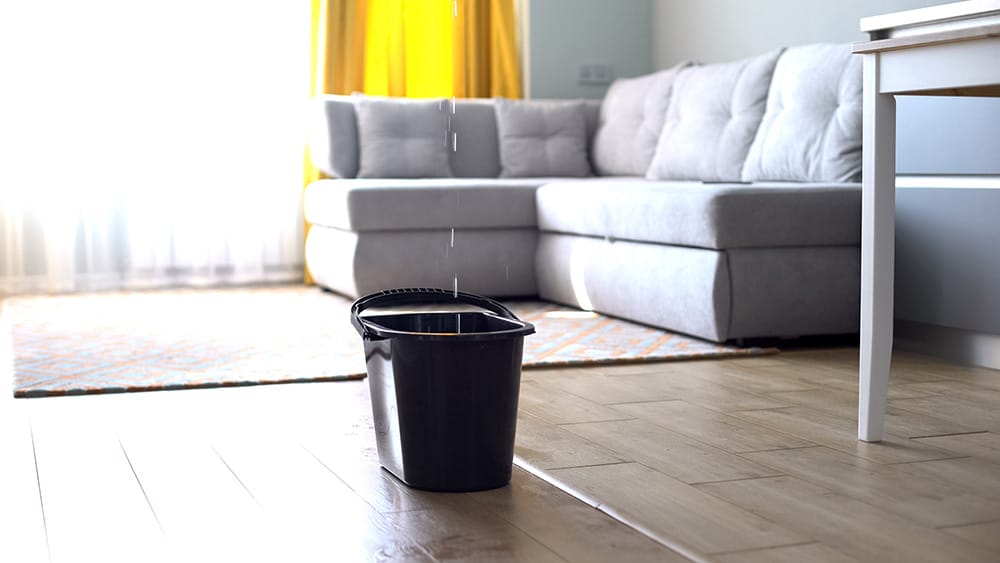
After the storm passes in Cape Coral, the real danger begins—hidden water, fast-growing mold, and structural threats most homeowners miss. What you do in the first 72 hours determines what you’ll pay, what insurance covers, and how much you’ll lose. Use this checklist to inspect every vulnerable part of your home before minor damage becomes a full-blown disaster.
Check the Roof Even If It Looks Intact from the Ground
In Cape Coral, high winds often damage roofs in ways that remain invisible from the yard or driveway. Missing shingles are easy to spot, but curled edges, cracked flashing, or loose vent covers allow moisture to enter unseen. We recommend you inspect the attic immediately, feeling for damp insulation or spotting water trails on the rafters. A single tile missing from a ridge vent can lead to slow, silent leaks that promote hidden mold colonies in your ceiling cavity. If your ceiling hasn’t stained yet, it simply means the leak hasn’t reached you—yet.
Inspect the Base of Every Wall, Inside and Out
Stormwater doesn’t always enter in dramatic ways; it creeps in low, hides behind drywall, and waits to rot. Cape Coral homes commonly take in water through foundation seams, utility penetrations, and garage corners even without visible flooding. Press each baseboard with your palm and look for soft swelling, warping, or bulging near the floor line. Even if the surface feels dry, trapped moisture in the wall cavity may already be supporting active mold growth. Relying on visual cues alone is one of the most expensive mistakes a homeowner can make.
Check Closets, Cabinets, and Sealed Rooms for Humidity and Odor
Closets, pantries, and sealed cabinets often trap the most moisture after a storm because they are rarely opened during cleanup. These low-ventilation areas become ideal environments for mold colonies that start growing in as little as 24 hours. Smell for mustiness and touch shelving, walls, and trim with bare hands to identify hidden condensation. Mold will often appear behind built-ins or inside cabinetry long before it stains visible drywall. If the air feels humid or smells sharp, act now before it spreads into adjacent rooms.
Run Your HVAC System and Observe for Odor or Fogging
If your home took on water, your HVAC system may already be circulating mold spores and airborne contaminants. Run your AC for five minutes and stand near multiple vents to detect any abnormal smells or visible mist. In Cape Coral, where systems run year-round, moisture in ducts and on coils creates perfect breeding zones for mold. Even a slight musty scent could mean mold is forming in your vents or returns. Get a full system inspection and cleaning before you unknowingly spread contamination to every room.
Document Every Detail Before You Clean or Remove Anything
Insurance companies only cover damage they can verify, which means pictures matter more than memory after a storm. Photograph everything—ceiling stains, buckled floors, damaged furniture, and water lines on drywall—before you move or touch anything. Use your phone to take wide shots, close-ups, and timestamps for every room and affected zone. Without clear documentation, insurers may dispute the storm as the cause of your loss. In fact, you should take photos of everything before the storm hits so you have before and after photos for the insurance company. Claims are paid on proof, not assumptions—so treat every photo like it’s evidence in court.
Throw Away Waterlogged Items Within 48 Hours
If your insulation, carpet padding, furniture, or drywall was soaked, it has already become mold food. Waiting more than two days in Cape Coral’s heat and humidity nearly guarantees full colonization of spores. Bag and discard all ruined items with care and log each one for insurance and liability purposes. Surface drying doesn’t undo contamination—removal is the only safe solution. If you hesitate, what started as a fixable problem becomes a full-scale demolition.
Look for Signs of Foundation Stress or Structural Movement
Stormwater often shifts soil around your slab or pier foundation, creating pressure imbalances and dangerous settling beneath your home. Look for new cracks, doors that no longer align, or floor sloping you’ve never noticed before. Cape Coral properties built on sand-heavy soil are especially vulnerable to these shifts, especially after back-to-back storms and flooding. If you notice structural symptoms, contact a licensed inspector before you resume normal occupancy. Ignoring these signs can turn a house into a hazard zone.
Move Fast or Lose More
Time is your biggest enemy after the storm clears. At 1-800 Water Damage of Naples, FL, we serve Cape Coral with professional, fast-response post-storm restoration that includes moisture mapping, air quality testing, mold containment, and insurance documentation. Call (239) 206-3131 within the first 72 hours before invisible damage turns your home into a biohazard. We catch what you can’t see—before it spreads, molds, collapses, or becomes a line item your insurance refuses to pay.
Expert Tips
-
Why IICRC Certification Matters When You Choose 1-800 WATER DAMAGE
Learn the importance of 1-800 WATER DAMAGE being an IICRC-certified company and what that means for you and your property.
December 8, 2025
Read More -