 1. The Roof Let Water In, the Lawsuit Let Money Out
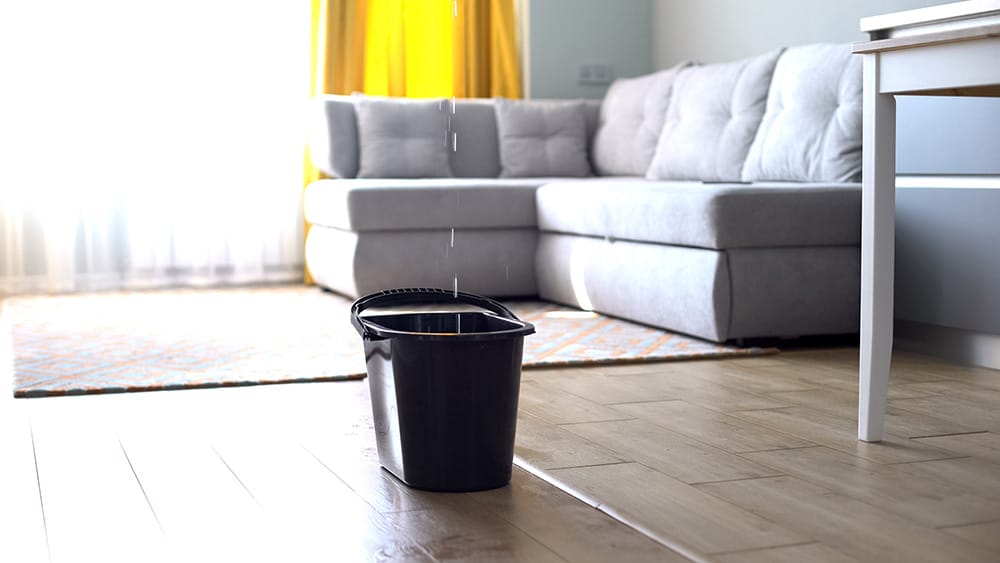
When a property manager in Cape Coral skips a roof inspection, it’s not the weather that punishes them first, it’s the water that gets in, and the legal exposure that follows. A lifted shingle or deteriorated vent gasket might look like a minor issue, but during a hurricane, that opening becomes a direct line for saturation across ceilings, attic insulation, and wall cavities. After the storm, tenants notice stains, swelling drywall, or mildew odor, and suddenly habitability complaints start flooding in faster than the rain did. Most insurance providers will ask when the roof was last inspected and whether the damage could have been prevented. Our team at 1-800 Water Damage of Naples, FL serves Cape Coral managers with certified exterior envelope assessments that document the roof’s readiness before you need to defend it.
2. The Mold Grew in the HVAC, the Rent Checks Stopped Coming
Mold doesn’t begin in the kitchen or bathroom, it often starts inside Cape Coral HVAC closets that haven’t been properly cleared or sanitized before storm season. These systems are commonly tucked into utility spaces with poor ventilation, slow-draining pans, and saturated insulation that can’t dry properly after a power loss. When tenants return or power comes back on, that trapped humidity pushes spores through the ductwork into every room. Tenants stop paying rent, units become uninhabitable, and mold remediation turns into a months-long process of insurance haggling and revenue loss. Property managers who want to avoid that spiral need to treat HVAC system prep as a core step, not an afterthought.
3. The Water Was Rising, and the Foundation Wasn’t Ready
Stormwater intrusion in Cape Coral rarely crashes through the front door, instead, it seeps under it, finds cracks in slab edges, and flows through improperly sloped landscapes that haven’t been graded in years. Properties near retention ponds or in low-lying flood zones are especially vulnerable, particularly when previous storms have compacted soil and shifted drainage paths. The visual signs may not appear until stormwater has already reached baseboards, subflooring, or drywall, and by then, the damage is deep and the claim is contested. Our pre-season walk-throughs evaluate all grade points, drainage systems, and door seals so your property can resist the flood before FEMA ever arrives.
4. The Power Was Off, but the Water Was Still Running
A storm can knock out power in minutes, but it doesn’t shut off the water main, and that mismatch creates one of the most dangerous situations in Cape Coral units. While fridges are warming and tenants are evacuating, slow leaks from cracked toilet valves, washing machine hoses, or failed water heaters continue to run undetected. By the time the power returns, floors are soaked, walls are wet, and mold has already started colonizing the unseen cavities of the building. We advise Cape Coral property managers to audit every unit’s water-dependent systems before storm season, because waiting to find out where the pressure failed can cost tens of thousands in uninsurable damage.
5. The Storm Was Over, but the Clock on Mold Had Just Started
In Cape Coral, what happens in the 48 hours after a storm often determines whether you’re dealing with cleanup or catastrophe. High humidity and power outages delay drying, and unless a trained team is measuring moisture, documenting saturation, and pulling baseboards to ventilate wall cavities, the mold will take hold fast. Remediation is far more expensive than mitigation, and once tenants begin noticing odors or symptoms, the management team is already on defense. At 1-800 Water Damage of Naples, FL, we deploy fast-response post-storm mitigation that includes air scrubbers, containment systems, and insurer-grade documentation to ensure you can prove what was done, and when.
What You Ignore Will Come Back as a Claim
Cape Coral doesn’t get storm “surprises.” We know the calendar, we see the forecasts, and the infrastructure has been tested by hurricane seasons past. Property managers who fail to act before the wind and rain arrive are left with high deductibles, denied claims, and long-term reputational damage among tenants and boards. 1-800 Water Damage of Naples, FL is based in Naples and serves Cape Coral with certified inspections, compliance-grade documentation, and immediate response when conditions turn critical. Call (239) 206-3131 before the season begins to schedule your site inspection and avoid finding your name on the next liability report.
Expert Tips
-
Why IICRC Certification Matters When You Choose 1-800 WATER DAMAGE
Learn the importance of 1-800 WATER DAMAGE being an IICRC-certified company and what that means for you and your property.
November 6, 2025
Read More -