Does Humidity Cause Mold Growth?


Humidity is a common factor when it comes to mold growth. The connection between humidity and mold growth is well-researched because mold thrives in a wet environment. Mold spores are always present in the air. In fact, they are needed in nature to keep homeostasis, and they need moisture to activate and spread.

When you understand how humidity contributes to mold and are able to implement effective mold prevention tips, you will be able to maintain a safe and healthy indoor space.

Read on to discover whether humidity itself causes mold and how you can take measures in preventing mold growth.

How Humidity Causes Mold Growth

So, does humidity cause mold? The short answer is yes, it does. 

Mold relies on moisture to grow and high humidity provides the optimal environment for mold growth. When indoor humidity levels are above 60%, mold spores settle on surfaces like walls, ceilings, furniture, and carpets, forming colonies that may grow rapidly if not addressed.

Humidity’s role in mold growth often stems from:

  • Poor ventilation in enclosed spaces like bathrooms and kitchens.
  • Leaky pipes or roofs that create lingering dampness.
  • Basements or crawl spaces that trap moisture.
  • Living in humid climates, particularly during summer months.

Even materials like drywall, wood, or insulation can absorb moisture from the air, becoming a breeding ground for mold when humidity levels remain unchecked.

The Ideal Indoor Humidity Level

Keeping a balanced indoor environment is the key to preventing mold. Experts recommend keeping indoor humidity levels in your home between 30% and 50%. Levels above 60% increase the amount of moisture in the air and allow mold to grow.

Conversely, levels below 30% may lead to other health problems such as dry skin and respiratory irritation.

An affordable option for monitoring high humidity levels is a hygrometer. It’s a tool used for measuring your home’s levels which allows you to make adjustments as needed.

Tips for Controlling Indoor Humidity

To reduce the risk of mold in your home or business, follow these mold prevention tips:

  1. Improve Ventilation: Use exhaust fans in areas like bathrooms and kitchens to reduce moisture from daily activities such as cooking or showering.
  2. Seal Leaks Promptly: Check for and repair leaky pipes, roofs, or windows to prevent water from seeping into your property. If you spot a lot of water, call a water removal company immediately.
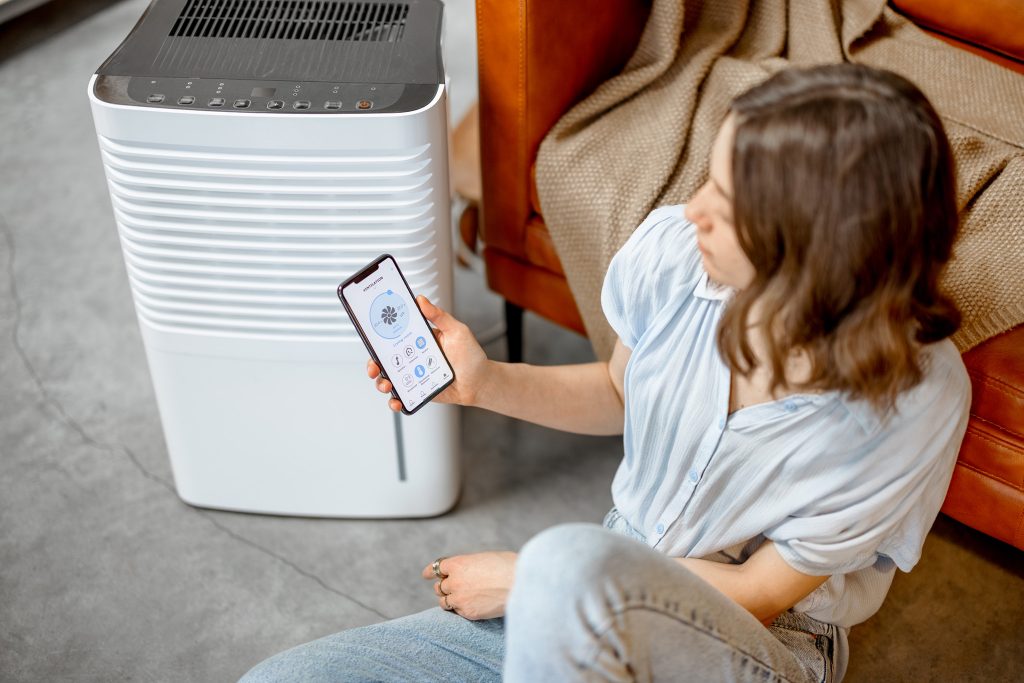
  3. Use Dehumidifiers: Dehumidifiers are a simple yet powerful tool for controlling indoor humidity, particularly in naturally damp areas like basements or laundry rooms.
  4. Maintain HVAC Systems: Regularly clean and maintain your HVAC system to ensure it’s effectively managing air circulation and reducing humidity.
  5. Keep Air Circulating: Open windows when possible, use fans, and ensure airflow to avoid stagnant, humid air building up in your home.

By taking these steps, you can create an environment less hospitable to mold growth.

Dehumidifiers For Mold Prevention

Dehumidifiers for mold prevention play an important role in controlling humidity levels. These machines work by extracting excess moisture from the air, keeping indoor humidity levels in the safe range.

When choosing a dehumidifier:

  • Choose a unit made for the size of your space. Portable units work well for single rooms, while larger units are available for whole-home coverage.
  • Look for models with features like adjustable humidity settings and energy-efficient options.
  • Clean the dehumidifier regularly for optimal performance and prevent bacteria buildup.

Placing dehumidifiers in high-risk areas, such as basements if applicable or near washing machines, can make a significant difference in mold prevention.
How to Spot Mold from High Humidity

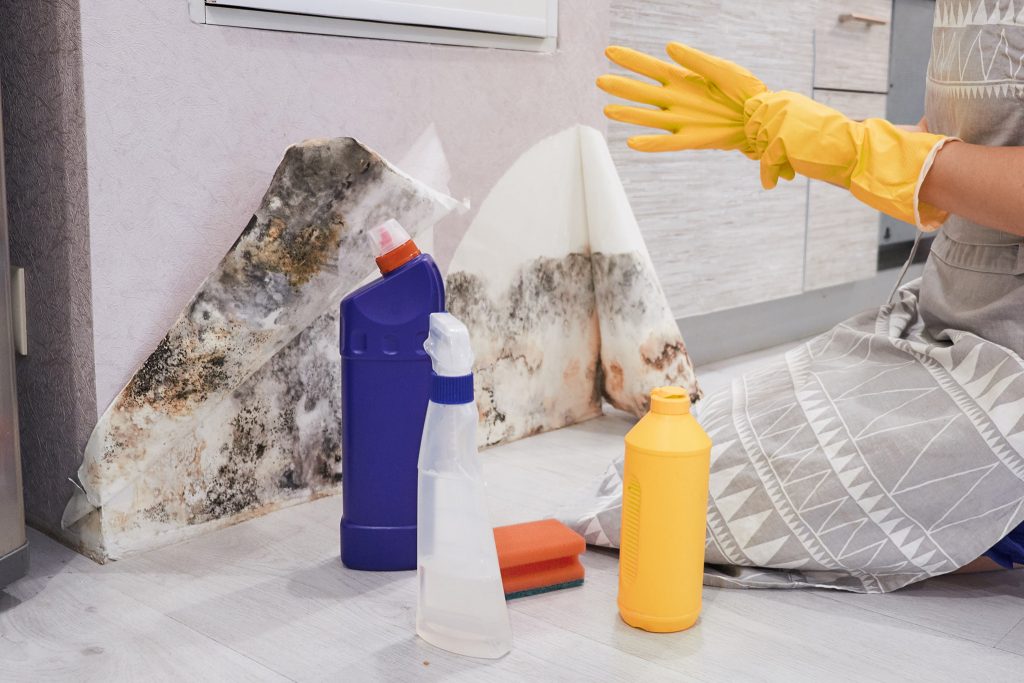
Even with preventive measures, high humidity can still lead to mold growth under certain conditions. It’s important to recognize the early warning signs of mold and call a mold remediation specialist:

  • Musty or damp odors in specific areas of your property.
  • Discoloration or dark spots on walls, ceilings, or floors.
  • Persistent condensation on windows or glass surfaces.
  • Unexplained allergy symptoms like sneezing, coughing, or itchy eyes when indoors.

If you observe any of these signs, mold may already be present, and professional help may be required.

Mold Remediation for Humidity and Mold Issues

If humidity has caused mold growth in your home or business, tackling the problem on your own can be challenging and risky. Professionals provide comprehensive mold restoration services to safely and effectively address the issue.

Certified technicians assess the mold problem, use specialized equipment to remove the mold, and implement solutions to control indoor humidity and prevent recurrence. Hiring mold remediation experts like those at 1-800 Water Damage of North Orlando, ensures the issue is resolved thoroughly, giving you peace of mind.

Long-Term Mold Prevention

Mold prevention is an ongoing effort. In addition to controlling indoor humidity, adopt these habits to keep mold at bay:

  • Dry wet areas immediately after spills, leaks, or heavy rain.
  • Regularly inspect areas prone to dampness, such as under sinks or in crawl spaces.
  • Use moisture-resistant materials in areas like bathrooms or basements.
  • Keep gutters and downspouts clear to ensure water drains away from your property.
  • Always check for proper ventilation.

These small steps can go a long way in protecting your home or business from the effects of humidity and mold.

Breathe Easier with a Mold-Free Space

Humidity doesn’t have to lead to mold problems. By managing moisture levels and following these mold prevention tips, you can create a healthier, mold-free environment for your family or employees.

If you’re struggling with mold caused by humidity, don’t wait. Contact 1-800 WATER DAMAGE of North Orlando today for expert guidance, professional mold cleanup, and remediation services. Let us help you regain control of your space and breathe easier with confidence.

This website uses cookies

We inform you that this site uses own, technical and third parties cookies to make sure our web page is user-friendly and to guarantee a high functionality of the webpage. By continuing to browse this website, you declare to accept the use of cookies.