Why IICRC Certification Matters When You Choose 1-800 WATER DAMAGE
Learn the importance of 1-800 WATER DAMAGE being an IICRC-certified company and what that means for you and your property.
December 8, 2025
Read More1-800 Water Damage of North Orlando are the experts you need in the flood restoration industry. We are often asked about flood proofing a home and unfortunately, flood proofing a home completely isn’t something that can be done. Mother Nature is way too unpredictable, as are home catastrophes. You just never know when something is going to happen.
Although there is no way to fully flood-proof your home, there are some measures that you can take to minimize the likelihood of flooding and to mitigate the damage that occurs after a flood.
Keep In Mind: This is not an exhaustive guide, nor will it prevent flooding or damage. Please refer to the Know Your Flood Risk guide on the FEMA website.
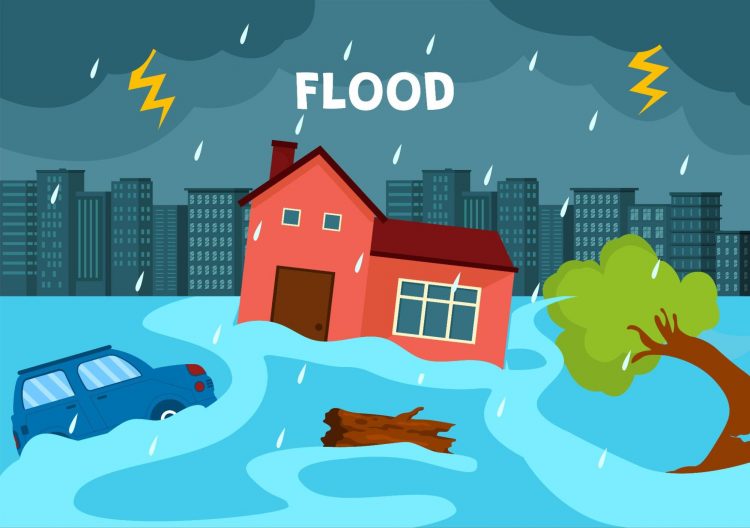
Whether it’s Mother Nature or a man-made cause, flooding can happen at any time. Some typical causes for flooding are:
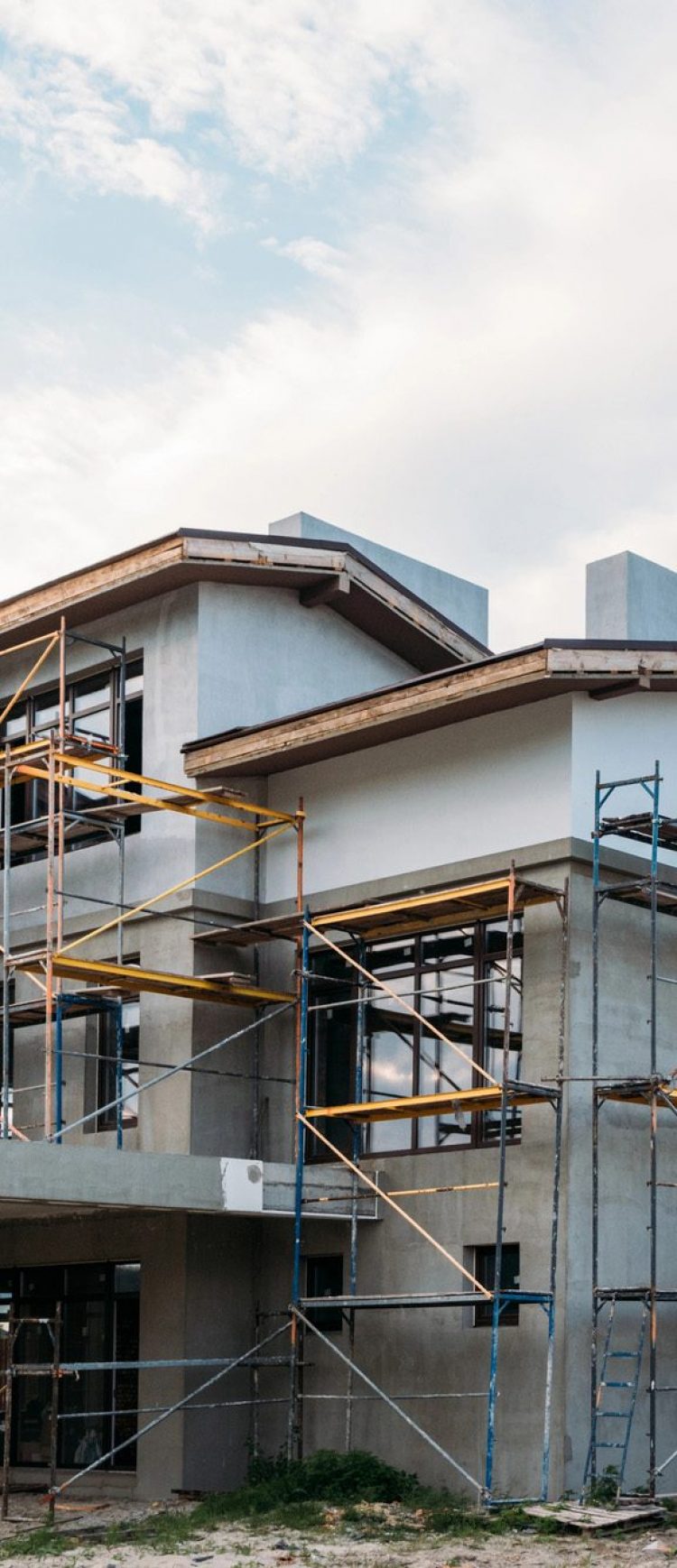
Whether the building you want to protect is a new building, an existing home, or a commercial property, here are some ways to mitigate flood risks on the outside of the building that can help prevent the need for water damage cleanup.
Nowadays there are many codes that builders must adhere to so when it comes to a new build, elevation and location are the most important aspects to look at in regards to flood risk. Builders should ensure that a property is adequately elevated and built away from major water sources like rivers and lakes.
The surrounding landscape is another way to prevent flooding inside your building or home. Your yard should be properly sloped and graded to allow the water to adequately drain away from your house and foundation instead of pooling around it (which can lead to flooding). Surrounding your building with plants, trees, and shrubs should help to absorb more water and minimize erosion.
Having trees in your yard helps due to their root system as roots promote drainage.
Established homes should follow the same yard recommendations as above. This is your first defense against flooding. Here is a list of additional protective measures you can take:
The interior part of a home is more about minimizing possible damage if a flood were to occur.
The best defense against flooding for new home interiors is to elevate appliances and electrical systems at least 12 inches above the base flood elevation.
For existing homes, there are still some effective ways to minimize flood damage when flooding does occur:
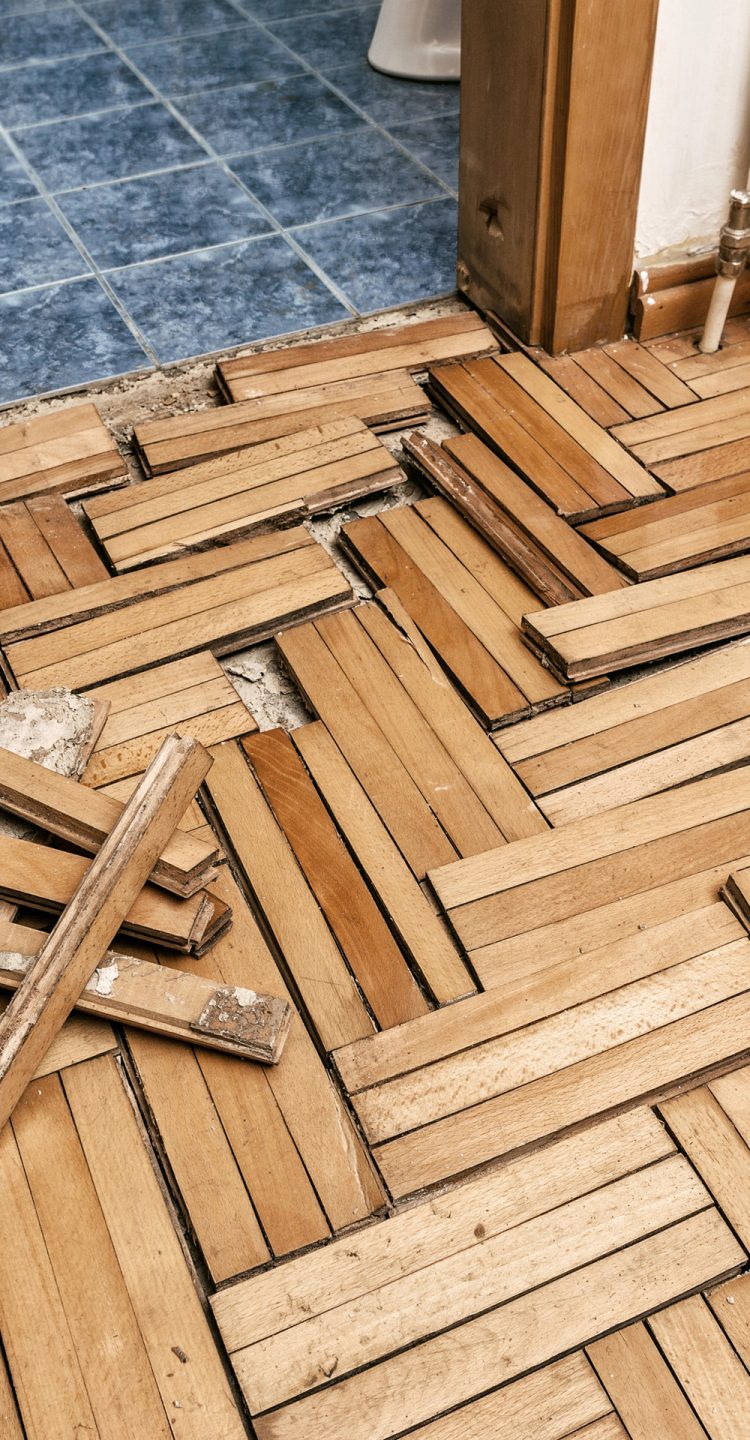
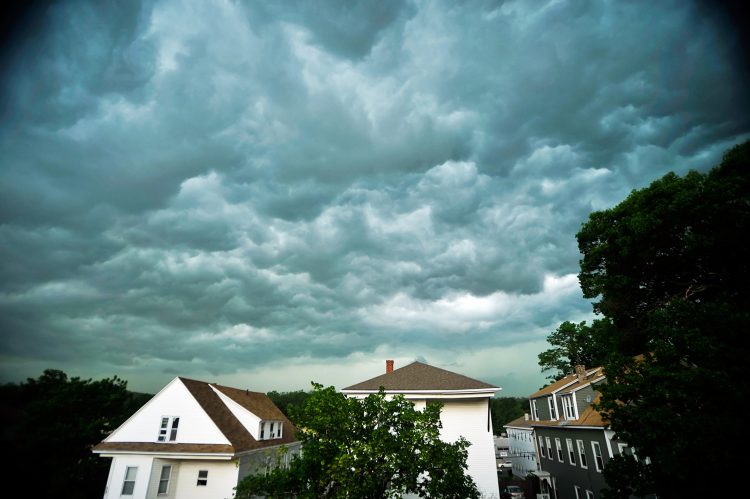
Even if homeowners take all of the precautions that we’ve mentioned, they may still find their homes flooded. This is where 1-800 Water Damage comes into play. We will help you get your home back to a pre-flooded condition.
Our water damage restoration specialists are the experts in flood restoration and we know how to extract water, mitigate mold, and minimize the damage that flood water can cause.
We also know that flood damage doesn’t wait for business hours so rest assured that when you need us, we’re only a phone call away.
The Latest News, Restoration Tips & More
Learn the importance of 1-800 WATER DAMAGE being an IICRC-certified company and what that means for you and your property.
December 8, 2025
Read More
We inform you that this site uses own, technical and third parties cookies to make sure our web page is user-friendly and to guarantee a high functionality of the webpage. By continuing to browse this website, you declare to accept the use of cookies.