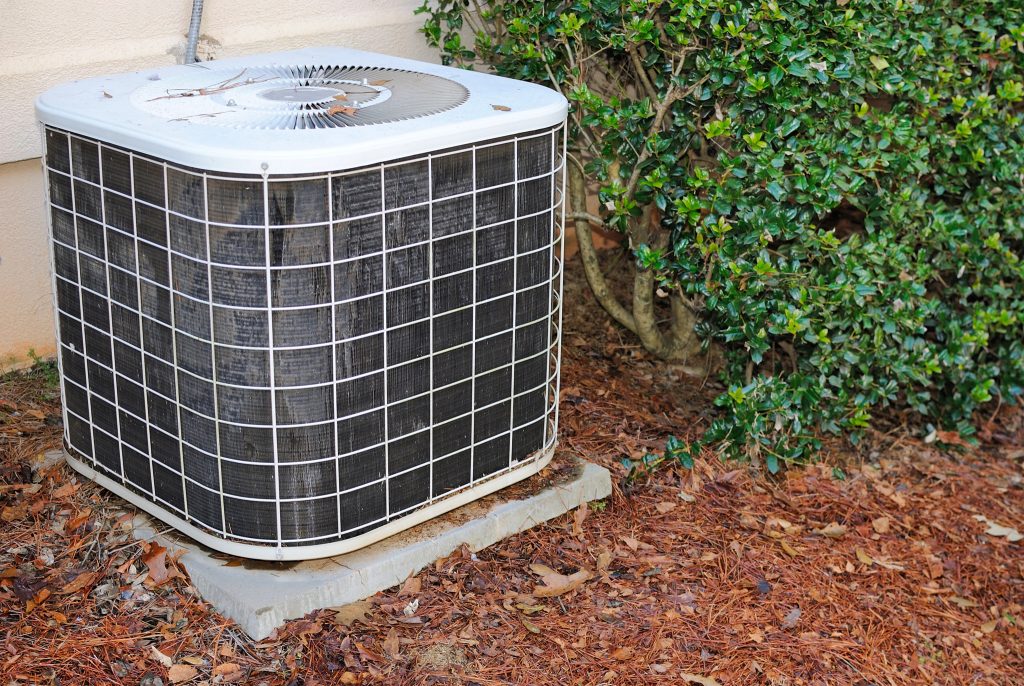
Mold in HVAC Systems: How It Spreads and How to Stop It


Mold thrives in dark, damp, and warm environments—which happens to be the exact conditions your HVAC system provides. Once mold is present in your system, it can spread quickly throughout your home. This may pose serious health risks and compromise your air quality.

Read on for more information about how mold infiltrates your HVAC system and how to stop it if you suspect its presence. 

How Mold Gets Into Your HVAC System

Your HVAC system is designed to circulate air, but that same functionality can draw in mold spores from various sources. Here are the common ways mold finds its way into your system:

  • Excess Moisture in Ductwork
    Condensation in your ductwork creates the perfect breeding ground for mold. This often happens when warm, humid air meets the cool surfaces of your HVAC system.
  • Clogged Drain Pans
    The drain pan under your air conditioner is meant to collect condensation. If it becomes clogged or doesn’t drain properly, standing water can encourage mold growth.
  • Dirty Filters
    Mold spores can bypass dirty or old HVAC filters and accumulate within the system. Regular filter replacement is critical to preventing this issue.
  • High Humidity Levels
    Homes in humid climates are particularly vulnerable. If your HVAC system isn’t properly dehumidifying the air, mold spores can settle and grow.
  • Leaks in the System
    Cracks or leaks in ductwork allow outside air—and the mold spores it carries—to enter the system. Over time, these spores can spread throughout your home.

How Mold Spreads Through Your Home

Once mold establishes itself in your HVAC system, it can quickly spread to other areas of your home. Here’s how:

  • Air Circulation
    As your HVAC system circulates air to regulate temperature, it also distributes mold spores. These spores settle on walls, furniture, and other surfaces, creating new mold colonies.
  • Contaminated Ducts
    Mold growing within your ducts releases spores into every room your HVAC system services. This turns what might have been a localized issue into a whole-house problem.
  • Recycled Air
    Modern HVAC systems recycle indoor air to improve energy efficiency. Unfortunately, this means spores are repeatedly circulated unless removed.

Signs of Mold in Your HVAC System

Mold in your HVAC system isn’t always visible, but there are warning signs you shouldn’t ignore:

  • Musty Odors:
    A persistent, unpleasant smell when the system runs could indicate mold growth.
  • Increased Allergies:
    If you or your family members experience frequent sneezing, coughing, or watery eyes indoors, mold might be to blame.
  • Visible Mold Growth:
    Check vents, filters, and drain pans for visible mold.
  • Black Dust or Stains:
    Black or greenish residue near air vents may indicate mold spores.

How to Stop Mold in Your HVAC System

Preventing and eliminating mold in your HVAC system requires a combination of routine maintenance and professional intervention. Here’s how you can take action:

1. Regular Maintenance

  • Replace Filters: Change your HVAC filters every one to three months to trap spores before they spread.
  • Clean Drain Pans: Ensure the drain pan is free of standing water and clear any blockages.
  • Inspect Ducts: Regularly check for leaks or damage in ductwork and seal them promptly.

2. Control Humidity

  • Use a dehumidifier if your home’s humidity exceeds 50%.
  • Keep the HVAC fan on auto mode instead of “on” to prevent unnecessary moisture buildup.


3. Schedule Professional HVAC Cleaning

Professional HVAC technicians can clean and sanitize your system, removing existing mold and reducing the chance of future growth.

4. Install UV Lights

UV-C lights can be installed in your HVAC system to kill mold spores and bacteria as air passes through.

5. Address Water Damage Quickly

Mold often originates from water damage. If your home has experienced leaks or flooding, address these issues promptly with professional water damage restoration services.

Why Professional Mold Remediation Matters

DIY solutions can help control minor mold issues, but larger infestations require professional expertise. A mold remediation specialist can:

  • Conduct an inspection of your HVAC system and home.
  • Use advanced equipment to remove mold from hard-to-reach places.
  • Apply antimicrobial treatments to prevent recurrence.
  • Provide tailored advice on maintaining a mold-free HVAC system.
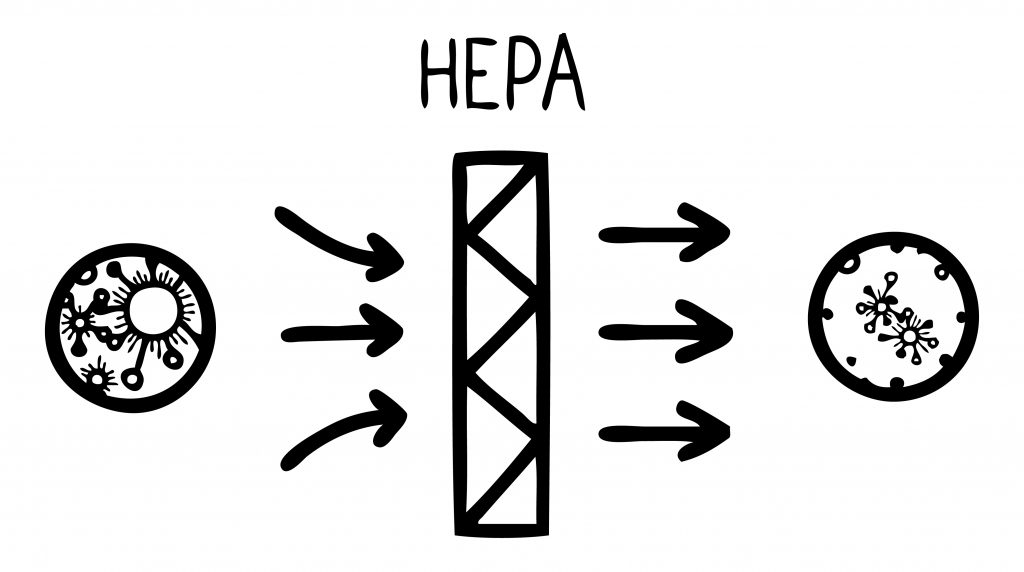
Keeping Your HVAC System Mold-Free

Your HVAC system is a very important part of your home that maintains your comfort year-round. Protecting it from mold growth doesn’t just safeguard your investment—it also promotes healthier living conditions. By following these preventive steps and seeking professional help when necessary, you can stop mold in its tracks and enjoy clean, fresh air throughout your home.

If you suspect mold in your HVAC system, don’t wait. Contact 1-800 WATER DAMAGE today to schedule an inspection and take the first step toward a mold-free home.

This website uses cookies

We inform you that this site uses own, technical and third parties cookies to make sure our web page is user-friendly and to guarantee a high functionality of the webpage. By continuing to browse this website, you declare to accept the use of cookies.