The Mold Remediation Process: Step-by-Step
1. Inspection and Assessment
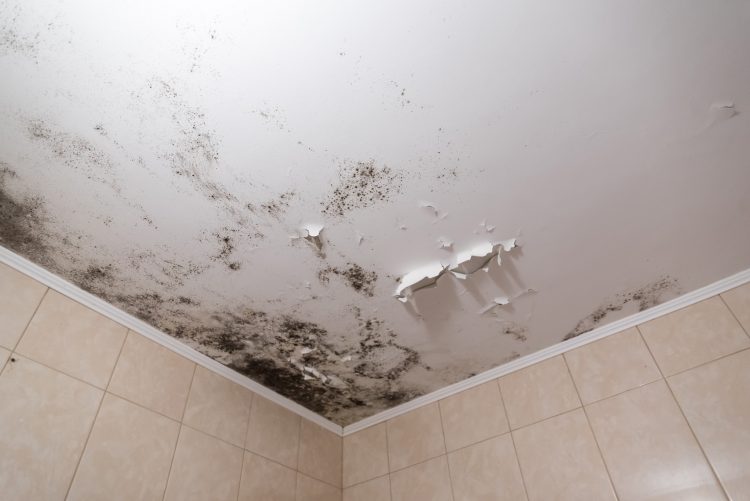
The remediation process begins with a thorough inspection. Professionals assess the extent of the mold problem, determine the type of mold, and identify the source of possible water damage fueling its growth. This step is key to creating an effective plan for professional mold cleanup.
2. Containment
To prevent mold spores from spreading to unaffected areas, containment measures are implemented. This includes sealing off the affected area, using plastic sheeting, and employing negative air pressure systems.
3. Air Filtration
Airborne mold spores can spread and cause issues throughout your property. High-efficiency air scrubbers and HEPA filters are used to capture these spores, improving air quality and ensuring safety during the process.
4. Mold Removal
This is the core step in the process. Depending on the extent of the mold and the materials affected, professionals use specialized cleaning products and equipment to remove mold. Porous materials like drywall or carpet may need to be removed and replaced if mold growth is extensive.
5. Cleaning and Sanitization
After removing mold, all surfaces are cleaned and sanitized to ensure no spores remain. This step also includes deodorization to eliminate musty odors, leaving your property fresh and safe.
6. Addressing the Source
The most important part of the mold remediation process is addressing the root cause of the mold. Whether it’s fixing a leaky pipe, improving drainage, or reducing humidity, solving the moisture issue is key to preventing future mold growth.
7. Final Inspection and Testing
Once the remediation is complete, a final inspection ensures that all mold has been removed and the property is safe for use. Some companies also offer air quality testing to provide additional peace of mind.
What is Mold Remediation?
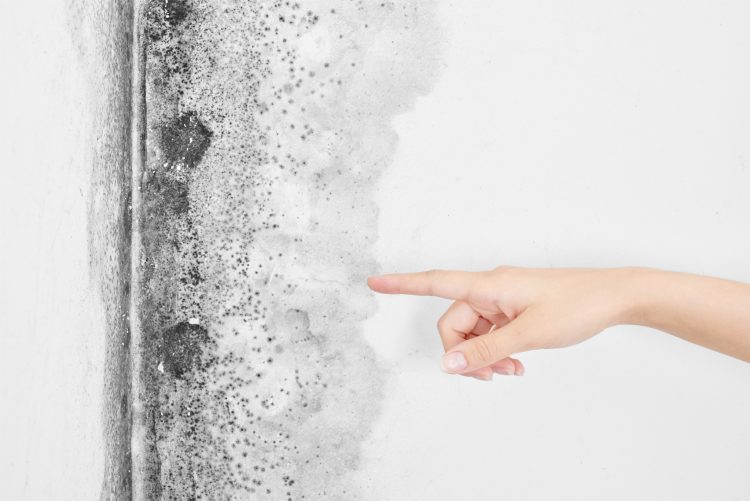
Mold remediation is the process of identifying, removing, and preventing mold growth in a property. Mold likes to live in damp and humid environments, often as a result of water damage or exposure to moisture.
Unlike basic cleaning, remediation goes deeper to address the root cause of the issue and ensures mold is removed effectively.
Why Mold is a Problem
Mold isn’t just unsightly—it’s harmful. Mold exposure can lead to health issues such as:
Additionally, mold can weaken walls, ceilings, and other structural components, leading to costly repairs if not addressed promptly. Acting quickly not only protects your health but also safeguards your property.