Why IICRC Certification Matters When You Choose 1-800 WATER DAMAGE
Learn the importance of 1-800 WATER DAMAGE being an IICRC-certified company and what that means for you and your property.
December 8, 2025
Read More“You have mold” is a phrase that puts fear into the hearts of homeowners and business owners alike. Unfortunately, especially in humid areas like Florida, it can be a common occurrence.
Among the various types of mold, black mold is the one most people are typically concerned with, whether they’ve properly identified it or not.
The most common type of black mold people believe to be in their homes is called stachybotrys chartarum, and it grows on drywall and wood. When you see pictures of walls covered with large black spots, that’s typically stachybotrys chartarum you’re looking at.
If you find yourself wondering how to recognize types of black mold, read on for a comprehensive guide into all things mold, what you can do to prevent it, and when you should have a professional mold removal specialist take a look.
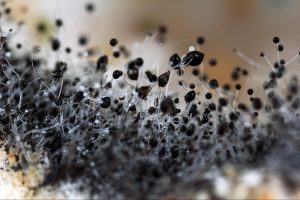
Mold is a type of fungus that grows inward into surfaces and reproduces by forming spores that can travel through the air. Mold (and mold spores) thrive in moist environments and can grow on a plethora of surfaces. This includes walls, ceilings, tile, and even clothing!
Sometimes you can see mold with its distinctive coloring and fuzzy texture. Often it comes with a musty smell.
There is more than one type of black mold. Each comes with its own characteristics and potential effects on your health. The most common types are:
The danger of black mold is entirely dependent on the type and duration of mold exposure. Some dangers of mold include:
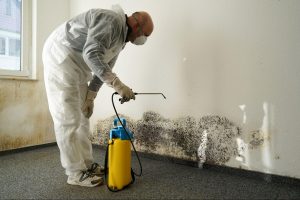
Stachybotrys chartarum in particular is typically a black or very dark brown or green color that also appears wet and slimy.
Similarly, other types of black mold look like stains or discolorations on a variety of surfaces. Colors range from black, green, white, or orange (or any combination of those colors). The texture of mold varies from fuzzy to slimy and is dependent on what surface it’s growing on.
All types of mold can vary in color, texture, and appearance. Because of this, having a professional mold remediation specialist is important in identifying which type of mold you’re dealing with and what steps to take to get rid of it.

Preventing mold before it starts is your best plan of attack but we recognize that not all water damage is preventable so it helps to be proactive when or if disaster strikes.
Recognizing black mold and all other types of mold is crucial for maintaining a healthy living or working environment. Regular inspections and addressing any moisture issues can help prevent its growth.
If you’ve suffered water damage and you suspect mold, give 1-800 Water Damage of North Orlando a call. We are here to help you identify, remove, and remediate any mold damage. With 24/7 customer service, you are never alone!
The Latest News, Restoration Tips & More
Learn the importance of 1-800 WATER DAMAGE being an IICRC-certified company and what that means for you and your property.
December 8, 2025
Read More
We inform you that this site uses own, technical and third parties cookies to make sure our web page is user-friendly and to guarantee a high functionality of the webpage. By continuing to browse this website, you declare to accept the use of cookies.