Water Management for Homeowners
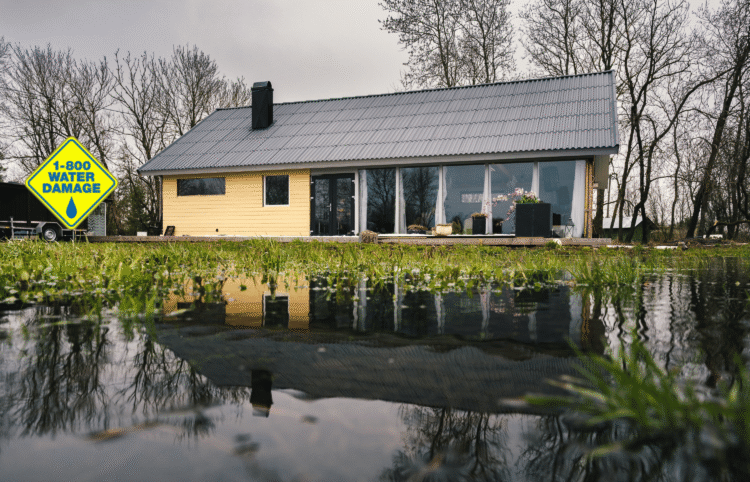
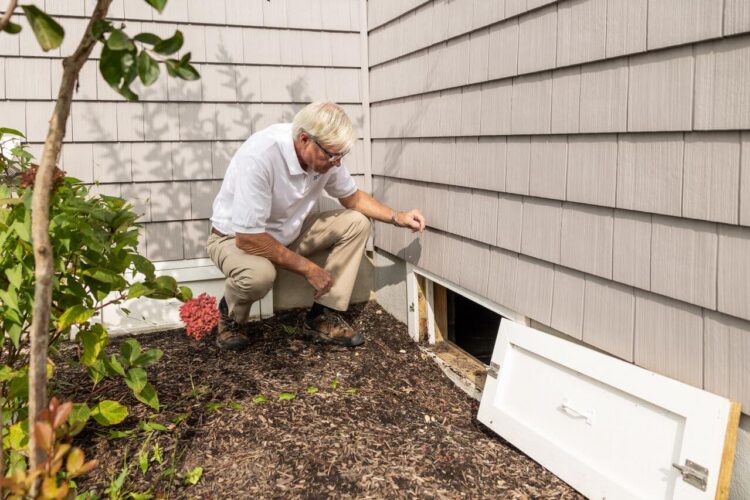
Preventing water damage before it begins saves money and a lot of hassle later on. Homeowners should play an active hand in managing water on their property, read on to learn how to keep your property safe from water woes.
Gutters
Dirty gutters make directing water where it’s supposed to be difficult. If leaves, sticks, dirt, and other debris is in the way, your gutters cannot do their job to protect your property from uncontrolled water runoff. Before a rainy season, check your gutters for any debris that might prevent water from flowing through them and ensure your down spout is directing water at least 4-5 feet away from your home’s foundation.
If you find that water is still puddling close to your foundation, check that the downspout isn’t damaged or consider buying a downspout extension to lead water further away from your home. They are easy to acquire and very affordable, Home Depot has options for less than $10!
Lawn Care and Water Management
In addition to gutters, prepping your lawn for expected precipitation can help prevent water from entering your home. The American Society of Landscape Architects suggests using biowales, bioretention ponds, or rainwater gardens in yards to work with nature, instead of against it, to keep water from harming your property.
Check your lawn’s grading to see if there’s a slope towards or away from your home. The grading should slope downwards towards the road and away from your property so water can run off into storm drains. If you have frequent water issues in your home and your yard does not direct water to the road, consider re-grading. Healthy Building Science has an article with more tips on how to manage water with your lawn.
Indoor Humidity Management
To prevent mold from growing in your home, especially if you live in a hot, humid climate, make sure your home has adequate ventilation and air circulation. Bathrooms and kitchens should have functional overhead fans that remove water vapor and smoke out of the home entirely. Air conditioning/ HVAC systems should have working evaporator coils (also called cooling coils), which removes humidity from your home while cooling.
If you lose power for more than 24 hours in a humid area, your home’s HVAC can’t remove extra humidity from your home, get buckets of Damp-Rid or similar absorption products and distribute them around your home to prevent mold and odors during the power outage.
Replacing Old Valves in Water Line and Exercise
If you live in an older home or have not assessed plumbing in a while, check the valves along your plumbing for corrosion, leaks, signs of water damage in nearby areas, and other signs of wear. Old, damaged plumbing fixtures can silently cause water damage over long periods of time before fully failing. Remember to “exercise” your valves and shut offs by turning them on and off a few times once or twice a year to prevent damage and sticking during emergencies, repairs, and maintenance.
Flooding and Leak Alarms
Many new appliances come with pre-existing leak alarms, but if yours does not, they can be installed. Some leak alarms can be wired into the appliance, but not all, they can also just sit close to the appliance. Flooding alarms work similarly, they can be added to any space you’re concerned about flooding in, such as your basement.
1-800 Water Damage
Water damage can cause damage to your property within just a few moments. The longer water damage is left untreated, the more harm it can cause to your home and health. At 1-800 WATER DAMAGE,we have the expertise to remove moisture and restore your property. Our team of skilled technicians has the latest technology and equipment to get the job done right.
With 1-800 WATER DAMAGE, you never have to worry about hidden costs or similarly unpleasant surprises. We offer upfront, transparent pricing with all our services, including mold removal.
We help you understand what is happening with your home’s water issues and what steps make sense for your situation. Enter your zipcode to find a 1-800 WATER DAMAGE location near you and take the next step toward repairing damage in your home.