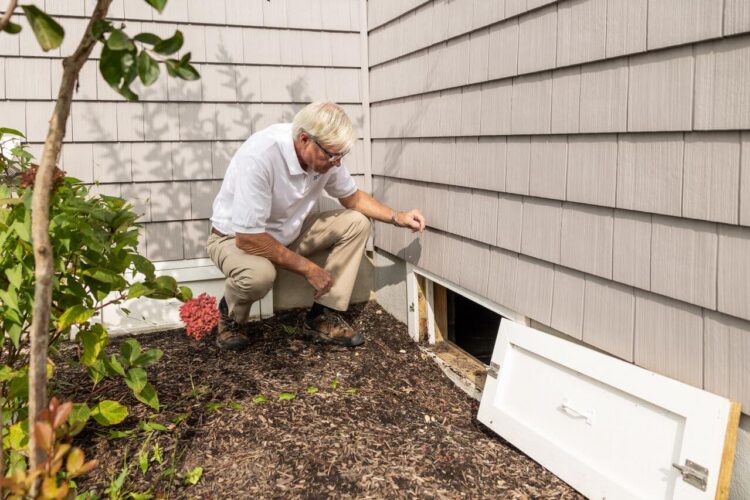
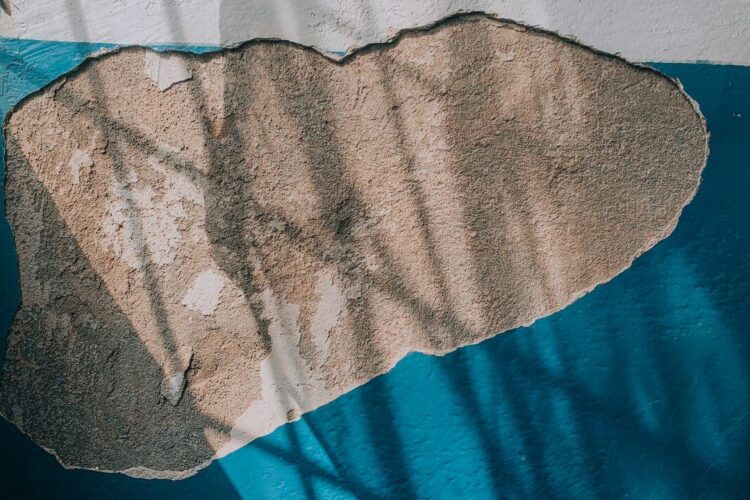
A pipe can burst inside your walls due to freezing temperatures, corrosion, or excessive water pressure, causing damage before you notice a leak. Damp patches, peeling paint, unusual plumbing sounds, or higher water bills may be the first warning signs. By the time these symptoms appear, water may have already reached your drywall, insulation, and flooring.
If you suspect a burst pipe, shut off your main water supply and check for electrical hazards. However, stopping the leak doesn’t remove water trapped behind your walls. Without proper drying, hidden moisture can damage building materials and create conditions for mold growth.
Knowing what to do next can help you limit the damage and avoid unnecessary repairs. This guide explains the immediate steps to take, how to identify a hidden burst pipe, and when to contact professionals. You’ll also learn what to expect during repairs and how to prevent future plumbing problems.
What to Do Immediately If a Pipe Bursts Inside Your Wall
If a pipe bursts inside wall cavities, your priority is to stop the water supply, avoid electrical hazards, and protect your belongings. Then contact a licensed plumber and arrange professional water damage repair.
Shut Off Your Main Water Supply
Locate your main water shutoff valve and turn it off to stop the leak. The valve may be in your basement, utility room, crawl space, or near the water meter.
After shutting off the supply, open a faucet to relieve pressure. If you cannot operate the valve, contact your water utility or a plumber. Do not restore the water supply until you repair the pipe.
Check for Electrical Hazards
Water inside walls can reach electrical wiring, outlets, and switches. Avoid touching electrical fixtures near damp areas, and never enter standing water if electrical equipment may be affected.
If you cannot access your electrical panel without entering a wet area, contact a qualified electrician. Do not open the affected wall until an electrician has assessed the electrical hazards.
Move Belongings Away From the Water
If conditions permit, move furniture, electronics, documents, and other valuables away from the affected area. Water can spread across flooring and reach belongings beyond the visibly damaged wall.
Keep the area accessible for inspection and cleanup. Avoid handling electrical appliances that have come into contact with water.
Document the Damage
Photograph water stains, damaged flooring, baseboards, and affected belongings before you begin cleanup. Record when you discovered the leak and what you did afterward.
Contact your insurance provider to report the damage and ask about claim requirements. Keep receipts for plumbing work and related expenses, including emergency services or temporary accommodations if your property becomes unusable.
Call a Licensed Plumber
A licensed plumber can locate the damaged pipe, identify the cause, and complete repairs. Depending on the pipe’s location, accessing it may require opening part of the wall.
Repairing the pipe stops further leakage, but it does not address water already absorbed by surrounding materials.
Arrange Professional Water Damage Repair
Contact a water damage repair professional to inspect affected walls, flooring, and other materials. This is particularly important when water has entered concealed spaces. Early assessment can help identify moisture before it spreads into adjacent rooms.
At 1-800 WATER DAMAGE, we provide 24/7 emergency response for plumbing-related water damage. Find an emergency water damage repair location near you by entering your ZIP code.
How to Tell If a Pipe Has Burst Inside Your Wall
A hidden burst pipe may cause visible wall damage, unusual plumbing sounds, or changes in your water supply. Look for the following warning signs.
Damp Patches and Damaged Wall Surfaces
Unexplained moisture stains, bubbling paint, peeling wallpaper, or swollen baseboards can indicate water escaping inside a wall. You might also notice soft drywall or water collecting near the floor.
An expanding damp patch may suggest an active leak.
Unusual Plumbing Sounds or Reduced Water Pressure
Persistent dripping, hissing, or running water sounds behind a wall may indicate a damaged pipe, especially when your plumbing fixtures are turned off.
A sudden decrease in water pressure can also accompany a major leak. However, pressure changes can have other causes.
Unexpected Water Bills and Musty Odors
An unexplained increase in water usage may indicate a concealed leak. If your water meter continues to register usage after you turn off all fixtures, contact a plumber.
Musty odors near a wall can suggest trapped moisture. Professional moisture testing can help identify damp areas that aren’t visible.
How Is Water Damage From a Burst Pipe Repaired?
Professional water damage repair involves inspecting affected areas, removing excess water, drying damp materials, and completing repairs. Household fans may help with surface moisture, but water trapped inside wall cavities generally requires professional drying.
Inspecting the Damage and Detecting Hidden Moisture
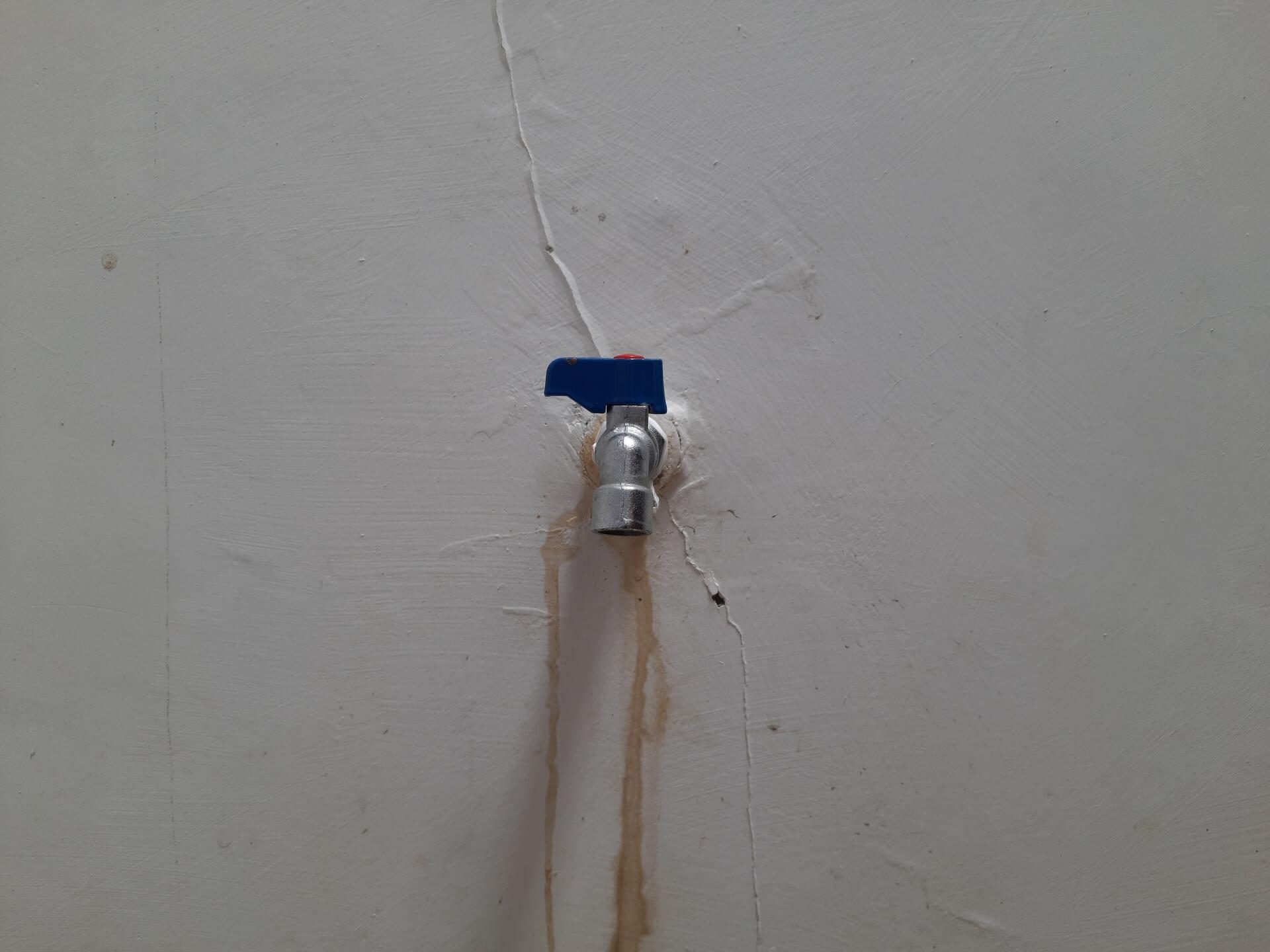
Water can travel through insulation, along framing, and beneath flooring before becoming visible. An inspection helps determine how far the damage extends and which materials need attention.
At 1-800 WATER DAMAGE, we use appropriate moisture detection equipment to identify affected areas and develop a repair plan.
Removing Water and Drying Affected Materials
If water has accumulated, we may use professional extraction equipment to remove it. Air movers and dehumidifiers can then help dry building materials and control moisture levels.
The drying process may also involve repeated moisture readings to track progress and identify areas that need further attention before repairs.
Saturated insulation or deteriorated drywall may need to be removed. Technicians monitor moisture levels to determine when affected areas are ready for repairs.
Repairing Damaged Walls and Surrounding Areas
Once drying is complete, we can repair or replace damaged materials. This may involve drywall, insulation, baseboards, and nearby flooring.
Our professional water damage repair services for burst pipes address water removal, drying, and related repairs. We work toward returning affected areas to their pre-loss condition.
Why Do Pipes Burst Inside Walls?
Pipes can burst inside walls because of freezing temperatures, corrosion, excessive water pressure, or physical damage. Understanding the cause can help identify plumbing problems that need attention.
During freezing weather, water inside pipes can expand, creating pressure that leads to a rupture. Pipes in poorly insulated exterior walls are particularly vulnerable. Aging metal pipes can also weaken due to corrosion.
Excessive water pressure stresses plumbing connections, and drilling or renovation work can damage concealed pipes. A plumber can investigate the cause and recommend repairs. Our guide to the common causes of water pipes bursting inside walls explains these problems in greater detail.
How Can You Prevent Another Pipe From Bursting?
You can reduce the risk of future pipe bursts by maintaining your plumbing system, protecting vulnerable pipes from freezing, and addressing leaks promptly. Regular inspections can help identify aging pipes, excessive water pressure, and weakened connections.
During freezing weather, maintain indoor heating and ask a plumber about insulating vulnerable pipes. Before drilling into walls, check for concealed plumbing lines.
Keep your main water shutoff valve accessible, and make sure other occupants know where it is. Being able to stop the water quickly can help limit future damage.
Get Professional Help With Burst Pipe Water Damage
A burst pipe inside your wall requires more than fixing the damaged plumbing. Prompt water removal, proper drying, and repairs can help address moisture trapped in surrounding materials.
At 1-800 WATER DAMAGE, we provide 24/7 emergency response, water removal, drying, and water damage repair services. We assess affected areas and develop a repair plan to help return damaged spaces to their pre-loss conditions.
If you’re dealing with a hidden pipe leak or water-damaged walls, request professional burst pipe water damage repair for your property. Enter your ZIP code to connect with a local 1-800 WATER DAMAGE team.