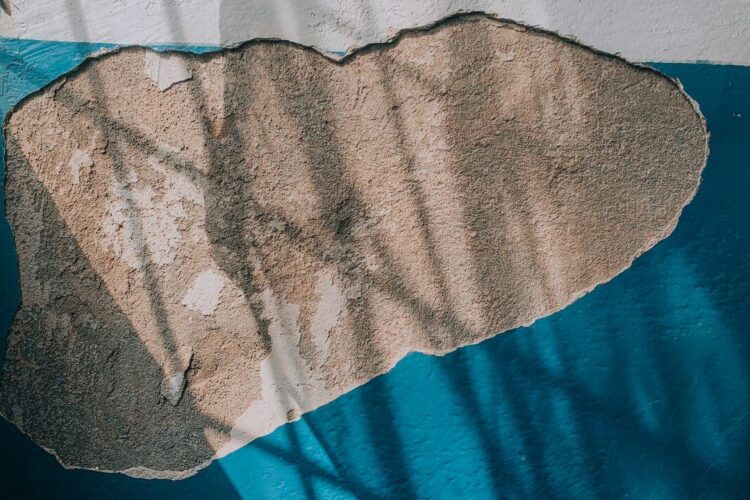
Cleaning mold from walls after water damage can be challenging because visible growth may extend beneath paint, wallpaper, or drywall. Scrubbing the surface might remove stains without addressing mold inside the wall. Using the wrong cleaning method can also spread mold particles or damage weakened materials.
This makes it necessary to assess the extent of mold growth and the condition of the affected wall before cleaning. A small patch on a painted surface may be manageable, but mold inside saturated drywall often requires professional attention. Identifying and correcting the moisture source is equally necessary to prevent recurring growth.
The right approach depends on the damage severity and the wall surface involved. This guide explains how to handle minor surface mold on walls, avoid cleaning mistakes, and recognize when professional remediation is necessary. You’ll also learn how to address lingering moisture and prevent future growth.
Can You Clean Mold From Walls After Water Damage?
Yes, you can sometimes clean small patches of mold from hard, nonporous wall surfaces using mild detergent and water. The appropriate method depends on the extent of growth, wall material, and moisture penetration. Surface cleaning may not resolve mold growing beneath paint or inside drywall.
The Environmental Protection Agency (EPA) recommends professional help for mold covering more than about 10 square feet. Smaller areas may also need attention if the damage involves contaminated water, hidden mold, or saturated materials. Mold affecting insulation or spreading through wall cavities can require more extensive cleanup.
Before cleaning, identify and correct the moisture source. Leaking pipes, damaged roofing, and recurring condensation can continue supplying moisture. Without repairs, mold may return after cleaning, making repeated surface treatments ineffective.
How to Identify Mold on Water-Damaged Walls
Mold commonly appears as black, green, gray, brown, or white patches. Growth may look fuzzy, powdery, or spotted. A persistent musty odor can also indicate mold, including in concealed areas.
Look for peeling paint, bubbling wallpaper, dark stains, and discoloration around previously wet areas. These signs may indicate trapped moisture, particularly near plumbing fixtures, windows, and basement walls. Soft drywall or loose wall coverings can also suggest that water has penetrated beneath the surface.
Check surrounding areas for moisture damage. Mold may develop behind baseboards, cabinets, wallpaper, or insulation. If you suspect concealed growth, avoid disturbing the wall without professional guidance, as opening damaged materials can release mold particles.
How to Clean Minor Mold From Walls After Water Damage
For minor surface mold on suitable hard walls, correct the moisture source, clean with detergent and water, and dry the area completely. Confirm that the surface is intact and mold has not penetrated porous materials. Extensive growth or contaminated water damage requires professional attention.
Keep others away from the cleanup space and wear suitable protective equipment. The EPA recommends gloves, eye protection, and at least a properly fitted N95 respirator for limited mold cleanup. Avoid dry brushing, sanding, or directing fans toward mold-covered surfaces because these activities can spread particles.
Gently clean the affected surface using a cloth or sponge with mild detergent and water. Follow cleaning product instructions and never mix chemicals. Dry the surface thoroughly and check for lingering moisture before making repairs. If discoloration returns or the material stays damp, arrange a more detailed inspection.
How to Clean Mold From Different Wall Materials
Painted walls with intact, washable finishes may be suitable for limited cleaning if moisture has not penetrated the underlying material. Use mild detergent and water, and avoid scrubbing too hard. Bubbling or peeling paint may indicate more serious damage that surface cleaning cannot address.
Drywall is harder to clean because it absorbs moisture. Mold that penetrates the paper facing or gypsum core cannot always be removed with surface cleaning. Saturated or extensively damaged drywall often requires replacement, particularly when mold growth has spread into the wall cavity.
Concrete and masonry walls can often be cleaned when growth is limited to accessible surfaces. Wallpapered walls present another challenge because mold may develop behind the covering. Professional evaluation can help determine which materials need cleaning, removal, or repair.
Common Mistakes to Avoid When Cleaning Mold From Walls
Painting over mold is a common mistake. Fresh paint may conceal stains, but it does not remove growth or correct moisture problems. Clean or replace affected materials and dry them before repainting.
Using bleach or strong chemical mixtures can also be problematic. The EPA does not routinely recommend bleach for mold cleanup, and chemical treatment may not resolve growth inside porous materials. Never mix bleach with ammonia or other cleaning products because it can produce dangerous fumes.
Directing household fans toward mold-covered surfaces can spread particles into nearby areas. Another mistake is repairing damaged drywall before the wall cavity dries. Both practices can complicate cleanup and future repairs, particularly when moisture becomes trapped behind newly installed materials.
When Should You Hire a Professional to Remove Mold From Walls?

Professional mold remediation is recommended when growth covers a large area, returns after cleaning, or affects concealed materials. Sewage contamination, flooding, and prolonged saturation also warrant professional assessment. Our guide on when to hire a mold damage restoration company after water damage explains when specialized cleanup is appropriate.
A mold remediation professional can assess visible damage, investigate moisture, and identify materials requiring removal. The cleanup process depends on the extent of growth and the condition of affected surfaces. Professionals may also use moisture detection equipment to locate damp areas that are difficult to identify through visual inspection.
At 1-800 WATER DAMAGE, we evaluate damaged areas and develop a cleanup plan based on property conditions. Our technicians use appropriate containment, material removal, cleaning, and drying methods. We focus on addressing damage and helping return affected areas to their pre-loss conditions.
How to Prevent Mold From Growing Back on Walls
Preventing recurring mold starts with controlling moisture. Repair leaking pipes, damaged roofing, and faulty window seals. Check previously affected areas for damp spots, discoloration, or musty odors, especially after heavy rainfall or plumbing problems.
Manage indoor humidity through appropriate ventilation and dehumidification. The EPA recommends keeping humidity below 60%, ideally between 30% and 50%. Basements, bathrooms, and other moisture-prone spaces may require closer monitoring. Using a humidity meter can help you track indoor moisture levels.
After water damage, start drying affected materials promptly once you’ve assessed the area for hazards. Mold can begin developing within 24 to 48 hours under suitable conditions. If moisture has penetrated wall cavities, professional mold removal and remediation services for water-damaged walls can help address affected materials.
How to Find Professional Mold Removal Services Near You
Choose a mold removal company experienced in handling water damage, affected building materials, and moisture problems. A thorough assessment helps determine the necessary cleanup and repairs. Ask how the company identifies hidden moisture and handles damaged drywall before work begins.
At 1-800 WATER DAMAGE, we provide mold remediation and water damage repair services through our network of local locations. Our technicians evaluate affected areas and develop an appropriate plan. To find a local 1-800 WATER DAMAGE location offering mold removal services, enter your ZIP code.
When contacting a restoration company, explain when the damage occurred, where you see mold, and how water entered the property. Mention recurring leaks, odors, or damaged drywall. These details help the team evaluate your situation and determine the appropriate next steps.
Get Professional Mold Removal Help From 1-800 WATER DAMAGE
Cleaning mold from water-damaged walls requires identifying affected materials, removing manageable surface growth, and correcting moisture problems. Extensive growth and damaged porous materials often require professional attention. Addressing moisture beneath the surface is essential for preventing the same problem from developing again.
At 1-800 WATER DAMAGE, we understand how frustrating it is to discover mold after a leak or flood. Our technicians assess affected areas and provide mold remediation and repair services based on your property’s needs. We also offer 24/7 emergency response for urgent property damage.
If you’ve discovered mold on your walls, request professional mold removal and water damage repair services from 1-800 WATER DAMAGE. Our team can help evaluate the damage and determine the next steps.