A lightning bolt has tremendous power. Even a single bolt can cause substantial damage to a property, especially if it ignites a fire. Once fire response teams have cleared the scene and the site is secured, insurers, adjusters, and property managers must act quickly to begin the restoration process and prevent further loss.
At 1-800 WATER DAMAGE, our IICRC- and AMRT-certified technicians follow standardized fire damage restoration protocols to address the severe impacts of lightning-related fires. This article reviews the hazards lightning can cause and outlines how our certified team supports efficient, documentation-driven claim resolution.
Hazards Caused by Lightning Strikes
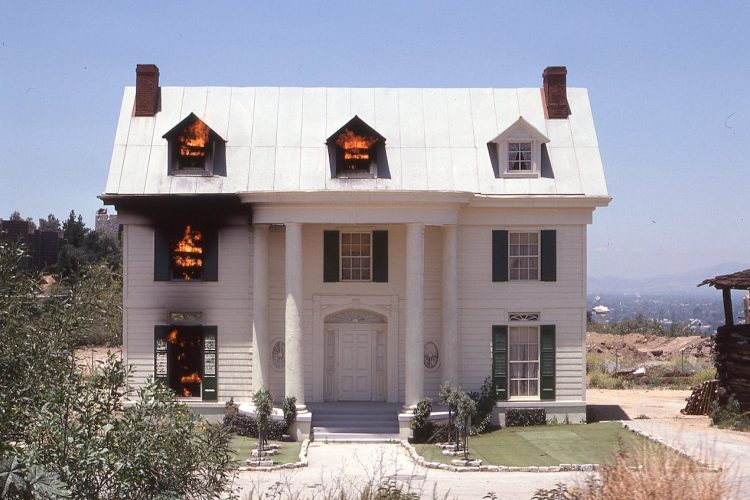
- The risk of fire. Lightning strikes often ignite highly flammable structural materials. They can also damage electrical systems, triggering secondary electrical fires.
- Electrical surges. Even without an open flame, lightning can severely damage electrical systems. Appliances may overload, and systems can become hazardous to handle.
- Structural Property Damage. Shock waves from lightning can fracture brick, concrete, drywall, and glass, creating hidden safety and liability risks that require professional assessment.
Post-Fire Steps for Insurance and Property Professionals
After fire response teams have cleared the property and confirmed it is safe to enter, adjusters and restoration contractors should take these steps:
- Document the damage. Capture photos and video for the claims file. Include wide shots, close-ups, and video walkthroughs to support accurate scoping and reduce disputes.
- Notify the Insurance Carrier Immediately. Early involvement allows carriers to authorize temporary housing coverage if needed and connect policyholders with certified fire damage restoration teams.
- Engage Certified Restoration Professionals Promptly. Swift action limits secondary damage, supports accurate claim documentation, and accelerates property stabilization.
Understanding Fire-Related Damage
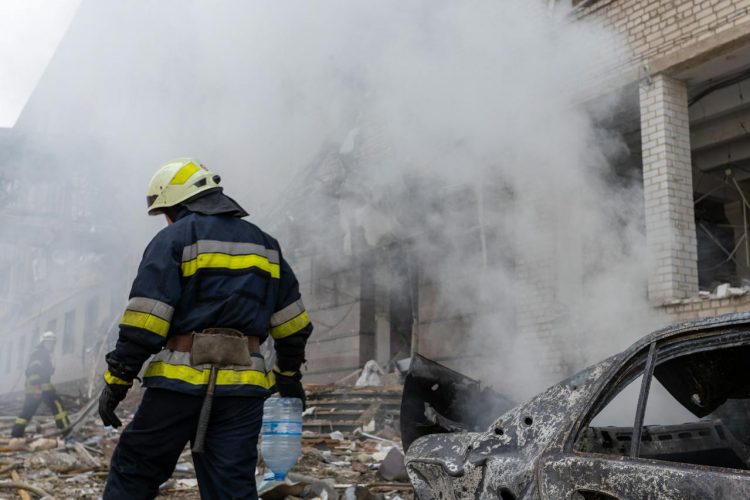
- Water damage from firefighting efforts. Standing water and moisture intrusion are common after firefighting or severe storms and must be extracted quickly to prevent mold.
- Smoke and soot damage contamination. Residual particulates impact air quality and surfaces throughout the structure. Specialized cleaning and HEPA filtration are required.
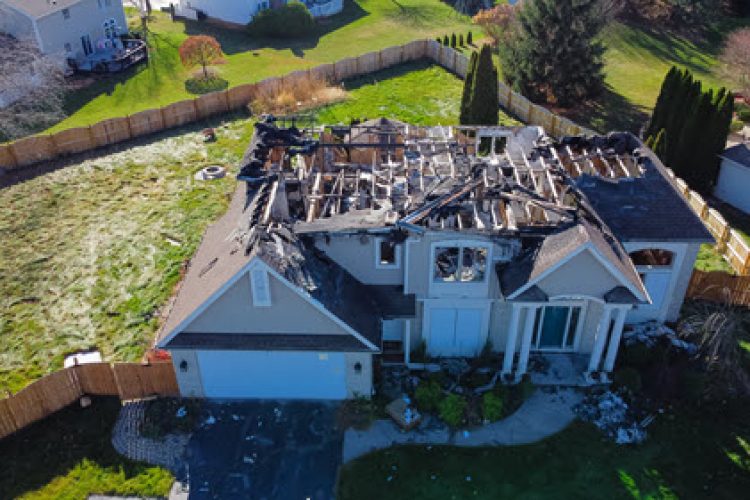
- Property damage from heat and shock waves. Fire and lightning can compromise structural materials, often requiring professional structural evaluation
Our Certified Fire Damage Restoration Process
At 1-800 WATER DAMAGE, our **IICRC-compliant fire damage restoration process** is designed to minimize disruption, protect property assets, and support accurate insurance claims.
Our process includes:
- Site inspection and damage assessment
- Moisture extraction and structural drying
- Smoke and soot removal using HEPA-filtered air scrubbers
- Odor and mold mitigation
- Surface and structural repairs based on documented scopes
Our certified teams mobilize rapidly to contain damage, document site conditions, and begin restoration work according to industry standards. This approach reduces insurer liability and accelerates claim cycle times.
Partner with 1-800 WATER DAMAGE
Insurance carriers, property managers, and restoration contractors rely on 1-800 WATER DAMAGE for **transparent, documentation-driven fire damage restoration**. Our goal is to protect your client relationships by delivering certified service, precise reporting, and responsive communication.
To reduce claim cycle times and protect property assets after a fire, contact 1-800 WATER DAMAGE today.