Your basement is one of the most vulnerable areas of your home when it comes to moisture intrusion.
Because it sits below ground level, it brings unique challenges, including groundwater seepage and plumbing failures. The most challenging part of the puzzle is that basement water damage doesn’t always show up as an obvious flood. In many cases, the signs are subtle and easy to overlook until they become serious problems.
With basement water damage, early detection makes all the difference. When you detect moisture issues early, you can often avoid major repairs, structural damage, and other big issues.
Below, we’re sharing five key signs that indicate your basement may be dealing with water damage. If you notice any of these warning signs, reaching out to professional water damage experts right away can help protect your home.
1. Odors That Won’t Go Away
One of the earliest signs of basement water damage is a persistent musty smell.
This distinctive odor comes from mold, mildew, and bacteria that thrive in damp conditions. Without the apparent sight of visible water, that musty scent often signals that humidity levels are too high or that water has infiltrated areas you can’t easily access.
The challenge is that these odors can become so familiar that you stop noticing them. Pay attention when guests comment on the smell or when you notice it after being away from home for a few days.
Your nose adjusts to scents you encounter daily, which means you might miss warning signs that are obvious to others. If someone mentions a musty smell in your basement, take it seriously rather than dismissing it.
Musty odors shouldn’t be ignored or masked with air fresheners. The smell indicates moisture is present somewhere, creating an environment for mold and mildew. This moisture might come from a hidden leak, condensation buildup, or water seeping through your foundation walls.
2. Visible Stains or Discoloration on Walls and Floors
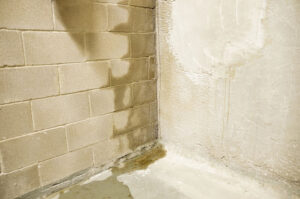
Water stains are some of the most obvious indicators of basement moisture problems.
These stains often appear as dark spots, streaks, or patches on walls, floors, or ceilings. The discoloration might be brown, yellow, or even greenish, depending on what’s in the water and how long it’s been present.
Water stains are especially concerning because they represent past or ongoing water intrusion. A stain indicates that water has been present long enough to leave a visible mark, indicating that moisture has penetrated the surface material. Even if the area feels dry now, the stain tells you that water found a way in and will likely return if not addressed.
Pay special attention to where basement walls meet the floor. This junction is a common entry point for water, especially during heavy rains or when groundwater levels rise. Also, check around windows, pipes, and any foundation cracks, as these are vulnerable spots for water infiltration.
Watch for efflorescence, which appears as white, chalky deposits on concrete or masonry. This is actually salt residue left behind when water evaporates from your walls. The water carries minerals from the concrete to the surface, where they crystallize. Efflorescence confirms that water is moving through your foundation.
3. Damaged Flooring
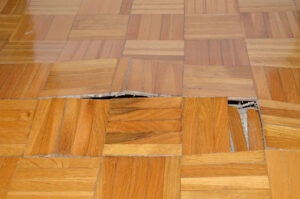
Your basement floor can reveal water damage happening beneath the surface.
Wood flooring may warp, cup, crack, or buckle as it absorbs water and expands. Laminate flooring can separate at the seams or develop a spongy feeling underfoot. Even concrete floors can show signs through cracking, flaking, or a powdery surface texture.
Carpet in basements is particularly susceptible because it sits directly on the concrete slab. When water seeps through or spills onto carpet, it saturates the padding underneath, creating a perfect environment for hidden mold growth. If your basement carpet feels damp, has wet spots that won’t dry, or shows staining, it’s time to investigate further.
Tile floors can also show unique signs of moisture problems. Look for loose tiles, crumbling grout, or tiles that sound hollow when tapped. These issues suggest water has compromised the adhesive or affected the substrate. Flooring damage points to a larger moisture problem, whether from above, below, or excessive humidity in the air.
4. Visible Water Accumulation
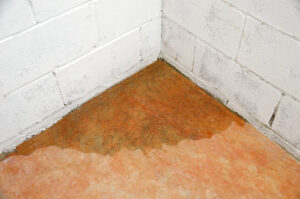
Sometimes, basement water damage is immediately obvious.
You might see beads of condensation on walls, pipes, or windows, notice that your basement feels humid or clammy, or find actual water pooling on the floor or trickling down walls.
Condensation on cold surfaces is normal to some degree, but excessive condensation indicates humidity levels are too high. This moisture will eventually settle on surfaces throughout your basement, creating conditions that support mold growth and can damage belongings.
Standing water requires immediate attention. Even small amounts that appear after rain, a spring thaw, or snowmelt indicate that water is finding its way into your basement. Common entry points are foundation cracks, gaps around windows, floor drains that back up, or septic system failures affecting basement plumbing.
5. Mold Growth or Mildew Presence
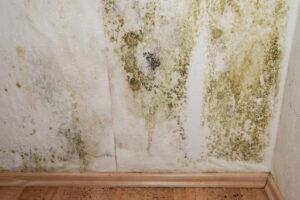
Mold is both a sign of existing water damage and a serious concern in its own right.
In basements, mold often appears as dark spots, fuzzy patches, or discolored areas on walls, floors, ceilings, or stored items. Colors include black, green, white, or orange, depending on the type and what it’s growing on.
The relationship between water damage and mold is straightforward: mold requires moisture to grow. When you find mold in your basement, water or excessive humidity has been present long enough for spores to take hold. Mold can begin growing within 24 to 48 hours after water exposure.
Check for mold in areas prone to moisture accumulation, including corners with poor air circulation, behind stored boxes or furniture, around pipes and plumbing fixtures, and on organic materials like cardboard, wood, fabric, or paper.
If you discover mold, it is important to address both the mold itself and the moisture problem that allowed it to grow. Cleaning visible mold without fixing the underlying water issue means it will likely return. Professional mold remediation involves identifying the moisture source, containing the affected area, removing contaminated materials when necessary, and thoroughly cleaning surfaces.
Taking Action When You Spot the Signs
Recognizing these five key signs is the first step toward protecting your home.
The second step is taking action and getting expert help. Water damage rarely improves on its own and typically worsens over time as water continues to enter and materials become increasingly saturated.
When you notice any of these warning signs, reaching out to water damage professionals can help you understand what’s happening and what needs to be done. At 1-800 WATER DAMAGE, we provide thorough assessments that identify both visible damage and hidden moisture. Our skilled technicians can locate the source of water intrusion, measure moisture levels throughout affected areas, and explain your options.
How We Handle Basement Water Damage
We start with water extraction using professional-grade equipment, then move to structural drying with industrial air movers and dehumidifiers.
We can handle necessary repairs, treat affected areas to address mold concerns, and work with you to implement preventive measures. With cutting-edge technology like thermal imaging and moisture mapping, we can find problems that aren’t obvious during a visual inspection.
24/7 Emergency Water Damage Support
Our team is available 24/7 because water damage doesn’t wait for convenient times. Whether you’ve just discovered a wet spot or have been dealing with musty odors and are finally ready for answers, we’re ready to help. One call connects you with experienced professionals who can assess your situation and begin restoring your basement to its pre-loss condition.
If you’ve noticed any of the five signs we’ve discussed, enter your zip code to find a 1-800 WATER DAMAGE location near you, and let our team bring our expertise and equipment to your basement water damage situation.
Frequently Asked Questions About Basement Water Damage
How quickly can mold develop after basement water damage?
Mold can begin growing within 24 to 48 hours after water exposure. This compressed timeline underscores the importance of promptly addressing moisture issues to avoid mold problems that may require professional remediation.
Can I handle basement water damage myself?
Minor surface moisture might be manageable with proper equipment, but most basement water damage requires professional assessment. Hidden moisture behind walls or under flooring needs specialized detection and drying equipment to address both visible damage and moisture you can’t see.
What causes that musty smell in basements?
Musty odors come from mold, mildew, and bacteria growing in damp conditions. The smell indicates that moisture levels are too high somewhere in your basement, likely due to groundwater seepage, condensation, hidden leaks, or poor ventilation.
Are water stains on the basement walls serious?
Water stains indicate that moisture has penetrated your walls and stayed long enough to leave visible marks. The area may currently feel dry, but the stain indicates an ongoing vulnerability that must be addressed to help prevent future water intrusion.
How do professionals find hidden basement water damage?
Professional restoration teams use specialized equipment, such as thermal imaging cameras, to identify temperature differences that indicate wet areas behind walls or under floors. Moisture meters measure water content in materials such as drywall, wood, and concrete, providing a comprehensive picture of water damage in your basement.