Water damage events can bring all kinds of stress, and one of those might be your insurance claims. For many homeowners, the idea of navigating insurance claims can feel immediately overwhelming, but it doesn’t have to be! When you know what you need to do, dealing with your insurance company can be that much easier, and it can reduce the hassle of water damage events substantially.
At 1-800 WATER DAMAGE, we work with both insurance companies and homeowners in the aftermath of water damage like flooding, leaks, sewage backups, and more. We know what an intense time it is for homeowners, but we also know that your insurance company can help to alleviate many of your burdens. Today, let’s take a look at how you can navigate insurance claims after water damage.
Water Damage and Insurance Claims: What You Need to Do
1. Try to Minimize Further Risks.
Wherever it’s safe to do so, in the immediate aftermath of a water damage event, you’ll want to limit the extent of the damage as much as possible.
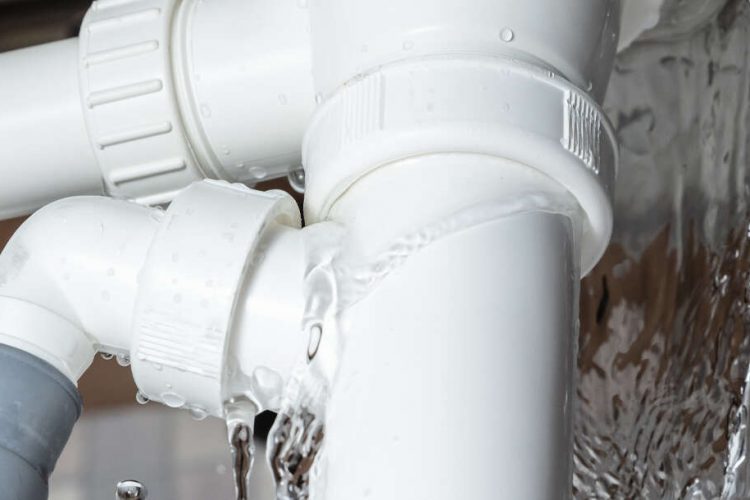
That may include turning off your water supply if you’re dealing with a plumbing problem, or turning off electricity, if there’s any chance that water will reach your outlets. If it’s safe to do so, you may also want to remove items from an affected area.
All of these steps can reduce the potential for additional complications.
2. Contact Your Insurance Company Right Away.
If the water damage event is ongoing and related to an issue like plumbing, your first call should be to a plumber or another relevant professional. But after that, you’ll want to get in touch with your insurance company right away.
The sooner your insurance company is involved, the easier it can be to process insurance claims resulting from water damage. Your insurance professionals may also be able to provide input and recommendations based on your situation. It can make the claims process that much easier, while potentially alleviating some of the stress of your water damage event.
3. Document Damage as Extensively as Possible.
When it comes to insurance claims for water damage, documentation is everything. Once the active flooding has been handled and the area is deemed safe, you’ll want to take photos and videos of damaged areas and items. This can help to provide an immediate snapshot of the damage to your property. Try to take clear, well-lit photos, incorporating close-ups for more detail.
But that’s not all. If you have to purchase items to deal with water damage, or if you need to seek alternate accommodations for the time being, hold onto all your receipts. Keep track of any invoices or receipts from plumbers, water damage restoration services, and other professionals. If your belongings were damaged, itemize them for easier processing.
4. Get in Touch with Water Damage Restoration Services.
As soon as possible, you’ll also want to get in touch with water damage restoration professionals. It’s not just about addressing the current damage to your home. It’s about reducing the potential for further damage, too, and minimizing any additional costs along the way.
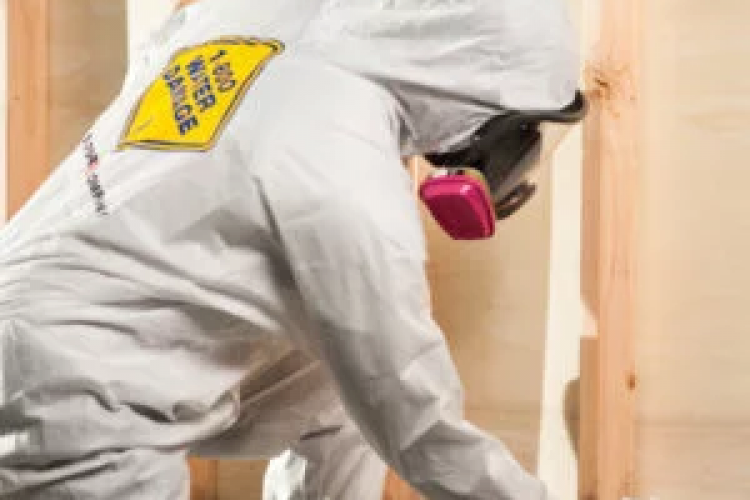
At 1-800 WATER DAMAGE, we offer a full suite of water damage restoration services, starting with drying up moisture and extracting standing water. We can also treat odors, mold, and other issues stemming from damage, and we even repair surfaces and structural damage. With speed and efficiency, our professionals can help to limit damage and restore affected areas to their pre-loss state.
Get Started with 1-800 WATER DAMAGE
When you’re dealing with water damage events and insurance claims, you need professionals who can help. Contact 1-800 WATER DAMAGE for trusted damage restoration services.