A fire can leave damage long after the flames are gone. One of the biggest problems is soot, the dark residue that settles across walls, ceilings, furniture, vents, and personal belongings. It may look like surface dirt, but it can stain materials, carry strong odors, and spread into areas that were not touched by the fire.
Once smoke moves through a building, soot can settle quickly and continue affecting surfaces. However, fast action can help limit the damage, protect salvageable items, and make cleanup safer.
In this article, we’ll explain what experts say about soot damage, why it gets worse when cleanup is delayed, and what steps property owners should take after a fire.
Can You Actually Prevent Soot Damage After A Fire?
The short answer is yes, but only to a degree. Once a fire produces soot, some contamination is unavoidable, especially near the source of the fire. However, much of the more severe long-term damage can often be reduced or prevented with the right response.
What Can Often Be Prevented
Fast action may help reduce lasting surface staining, corrosion, HVAC contamination, and deep odor penetration. Limiting soot spread can also help protect unaffected rooms and preserve more personal belongings.
Furniture, clothing, electronics, and important documents can often be saved when contamination is addressed early. In many cases, proper early intervention meaningfully lowers repair costs.
What Usually Cannot Be Fully Prevented
Initial soot residue near the burned area is often unavoidable. Severe fires may still cause permanent material damage in some areas, particularly to items that came into direct contact with flames or extreme heat.
Heavily textured surfaces and certain synthetic materials can also be especially difficult to clean fully. The primary goal is not complete elimination, but rather minimizing the extent of the soot damage.
Experts consistently emphasize that prevention means reducing severity, not expecting zero damage.
What Should You Do Immediately To Reduce Soot Damage?
Your actions immediately after a fire play a major role in determining how much soot damage develops. Once authorities confirm the property is safe, every step should focus on limiting the spread and protecting vulnerable materials.
Wait Until The Property Is Declared Safe
Never enter a fire-damaged property until fire officials or emergency personnel provide clearance. Structural weaknesses, poor air quality, and hidden fire risks may be present after visible flames are extinguished. Safety must come first.
Shut Down HVAC Systems Immediately
Heating and cooling systems can quickly spread soot particles throughout the property. Turning off HVAC systems helps contain soot to affected areas and can help prevent additional contamination in clean spaces.
Limit Movement Throughout The Property
Walking through soot-covered areas can disturb particles and spread them further. Keep doors closed when possible and avoid unnecessary traffic in damaged sections. This simple step can help reduce broader smoke and soot damage.
Avoid DIY Soot Cleanup
Many homeowners unintentionally worsen soot damage by attempting to clean it themselves. Household cleaners may smear residue, activate acidic compounds, or push soot deeper into porous surfaces. Improper wiping often increases the risk of lasting staining.
Contact Professionals Quickly
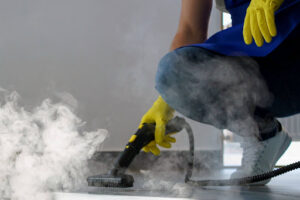
Professional soot damage restoration services are often most effective when started early. The first 24 to 48 hours are especially important for reducing long-term damage. Repair teams can stabilize the property, contain contamination, begin specialized cleaning, and help coordinate with your insurance provider where applicable.
What Mistakes Make Smoke And Soot Damage Worse?
Preventing additional soot damage often depends just as much on avoiding mistakes as it does on taking the right actions. Common mistakes include:
Using Household Cleaners or Water Improperly
Water or incorrect cleaning products can worsen staining and trigger chemical reactions. Some soot types smear easily, embedding more deeply into walls, fabrics, and furniture when wiped. Even well-intentioned scrubbing with a damp cloth can push residue into surfaces that would have been recoverable with the right approach.
Running Fans or Air Conditioning
Air circulation can spread soot particles into rooms untouched by the fire. This often increases contamination and the scope of cleanup considerably. Once soot enters ductwork, the cleanup becomes much more involved and may require dedicated HVAC cleaning before normal use can resume.
Waiting Too Long To Act
Soot is acidic and continues to damage surfaces over time. Delays may lead to deeper staining, corrosion of metal fixtures, and stronger smoke odors that grow harder to remove. Many materials that could have been cleaned successfully in the first day or two may become unrecoverable after a week of contact.
Ignoring Hidden Damage
Soot often infiltrates vents, electronics, insulation, and wall cavities. Visible cleanup alone may leave serious contamination untreated, which can continue affecting air quality and material condition long after the surfaces look clean.
Many costly losses happen because property owners unknowingly make preventable post-fire mistakes.
How Do Professionals Prevent Further Soot Damage?
Professional repair teams use specialized equipment and techniques developed for the unique challenges of soot contamination. The right approach often combines several methods working together, since soot rarely affects only one type of surface or material.
Specialized Soot Removal Methods
HEPA vacuums, dry chemical sponges, thermal fogging, and advanced residue removal techniques help clean soot safely without spreading contamination. The right method depends on the type of soot and the surfaces involved, which is why a professional assessment often guides the entire cleanup approach.
Air Quality Protection
Professionals often use air scrubbers, deodorization systems, and HVAC cleaning to address indoor air quality and reach hidden soot particles. Smoke odors can linger in soft materials for weeks, so dedicated treatment of fabrics, insulation, and ductwork is often part of a complete plan.
Property Preservation
Surface sealing, electronics cleaning, and content cleaning can help preserve salvageable belongings and reduce long-term structural issues. Sentimental items, important documents, and electronics often respond well to specialized handling, which can lower replacement costs and ease the recovery process.
Working with a trusted fire and smoke damage repair team often provides the best chance of minimizing long-term loss.
Is Professional Soot Damage Restoration Worth It?
In most cases, yes. Professional repair often shortens recovery timelines, improves cleaning effectiveness, and reduces lasting damage risks. Early intervention can also lower total repair costs by preventing worsening contamination.
Certified repair teams understand how to address both visible soot and hidden damage. Their expertise often supports a smoother recovery than delayed or incomplete cleanup efforts.
Beyond cleaning, certified teams can also help document damage for insurance claims, identify hidden contamination, and coordinate the work needed to bring the property back toward pre-loss conditions. For most property owners, this combination of expertise, equipment, and process is difficult to replicate on their own.
Trust 1-800 WATER DAMAGE To Help Minimize Soot Damage After A Fire
When fire affects your property, fast action can make a major difference. At 1-800 WATER DAMAGE, we understand how stressful that moment can be, and we work to take some of that weight off your shoulders from the first call onward. We provide experienced soot damage restoration services designed to help minimize damage, address affected areas, and protect your property from further loss.
Our teams use specialized equipment, proven cleaning methods, and rapid response to handle smoke and soot damage as effectively as possible, working toward returning your space to pre-loss conditions. With a nationwide network of locations, we are often only a short call away.
The sooner professional help begins, the better your chances of limiting long-term damage. If your property has been affected by fire or smoke, enter your zip code to find a 1-800 WATER DAMAGE location near you and connect with a trusted local team ready to help.