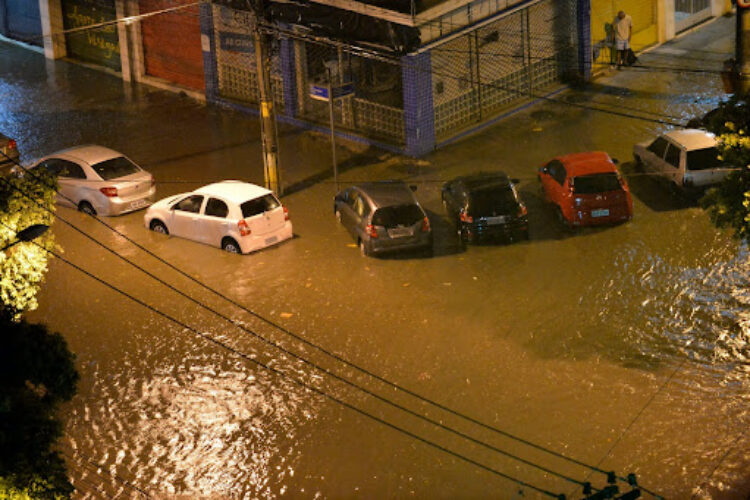
Summer storms often bring heavy rain, strong winds, and fast-changing conditions. For homeowners, that means water near the foundation, backed-up drains, flooded basements, and damage that starts before anyone has time to react.
The best time to prepare for flooding is before the storm arrives. A few simple steps help you protect your home, reduce water damage, and respond faster if water starts getting inside.
This home flood preparation checklist walks through the key tasks to complete before summer storms hit, from checking drainage and protecting valuables to preparing emergency supplies and knowing when to call for professional help.
Why Summer Storm Flooding Happens So Quickly
Summer storms often produce large amounts of rain in a short period of time. Local drainage systems can become overwhelmed, sending water toward foundations, streets, and low-lying areas. Flash flooding can develop in neighborhoods that do not normally experience flooding.
Heavy rain is not the only concern. Strong winds, clogged storm drains, overflowing gutters, and power outages can all add to the risk of property damage. Saturated ground also prevents water from draining properly, which can cause it to back up into basements and crawl spaces within minutes.
Flood Preparation Checklist Before Storm Season
Preparing early gives you more time to address weak spots around your property. A complete flood preparation checklist helps reduce stress and helps you respond faster once storm warnings begin.
Inspect Your Property for Flood Risks
Walk around your property and look for areas where water tends to collect after rainfall. Basements, crawl spaces, garages, and low-lying sections of the yard often face the highest flood risks. Check basement windows, door seals, and utility openings for gaps that could let water in.
Clean Gutters, Downspouts, and Storm Drains
Clogged gutters and blocked downspouts keep rainwater from draining away from the property, which can push water toward the foundation. Cleaning drainage systems before storm season helps improve water flow during heavy rain. Storm drains near the property should also be cleared of leaves and debris.
Test Your Sump Pump and Backup Systems
Sump pumps help remove water from basements during flooding events. Test the system before summer storms to confirm it is operating properly, and check backup battery systems in case severe weather causes power outages. Unusual noises, poor drainage, or delayed operation may indicate maintenance issues that should be addressed promptly.
Review Insurance and Protect Important Documents
Review your insurance policy to understand what types of flood damage are covered. Many people assume all water damage is covered under standard coverage, but flood claims may require separate protection. Keep important paperwork in waterproof containers, and store digital backups in case physical copies are damaged.
Photograph Valuable Belongings
Taking photos or videos of your property before storm season may help support future insurance claims. Document electronics, appliances, furniture, flooring, and valuables throughout the home. Store copies online or on external drives so your records are protected when devices are damaged.
Essential Safety Steps During a Flood Emergency
Floodwater can create dangerous conditions very quickly. A clear safety plan helps reduce confusion and supports faster decision-making during severe weather.
Know How To Shut Off Utilities Safely
If flooding threatens your property, you may need to shut off electricity, gas, or water to reduce safety risks. Water exposure around electrical systems can be extremely dangerous. Learn where your shutoffs are located before storm season, and contact a qualified professional if you are unsure how to use them.
Stay Off Flooded Roads and Walkways
Floodwater may contain sewage, chemicals, debris, and hidden electrical hazards. Even shallow moving water can be dangerous for pedestrians and drivers. Water can hide damaged pavement, open drains, or debris beneath the surface, so turning around and finding a safer route is always the better option.
Follow Evacuation Orders Immediately
If local officials issue evacuation instructions, leaving early is usually the safest decision. Bring emergency kits, medications, important documents, and essential supplies. Quick action helps protect your family and reduces stress during emergency relocation.

Emergency Supplies Every Household Should Have
Severe storms can lead to power outages, road closures, and temporary shortages of essential items. Keeping supplies prepared in advance helps your household stay comfortable during flooding events.
Charge phones, portable chargers, backup batteries, and emergency lighting before conditions worsen. A battery-powered radio can also help you stay informed if internet or phone service is disrupted. Emergency kits should include bottled water, nonperishable food, medications, flashlights, batteries, and a first aid kit.
Children, pets, and older adults may need additional supplies. Include pet food, infant items, extra clothing, mobility equipment, and backup batteries for medical devices. Every member of the household should be part of your preparation planning.
Practical Ways To Protect Your Home Before a Flood
Preventive maintenance can help reduce water intrusion during summer storms. Many of these steps take only a few hours but make a meaningful difference once severe weather develops.
Move Valuables Away From Flood-Prone Areas
Electronics, furniture, important documents, and appliances stored in basements face a higher risk of flood damage. Move valuable items to higher shelves or upper levels, and use waterproof containers for sensitive belongings. Even a few inches of water can quickly ruin flooring, electronics, and furniture.
Prepare Sandbags or Temporary Flood Barriers
Properties in flood-prone areas may benefit from temporary flood barriers or sandbags during severe storms. These barriers can help redirect shallow floodwater away from doors, garages, or low entry points. Prepare materials early so they are ready before flooding worsens.
Seal Foundation Cracks and Vulnerable Openings
Small cracks around foundations, basement windows, doors, and utility openings can let water in during storms. Sealing these areas helps reduce water intrusion and moisture problems before they lead to larger repair costs. Weatherproofing doors and windows, improving yard grading, and other home flood damage protection steps can further strengthen weak areas before storm season.
What To Do After Floodwaters Recede
The danger does not always end once floodwater starts to disappear. Standing water, moisture, and contaminated materials may continue causing damage throughout the property.
Document all affected areas with photos and videos before removing damaged materials. Then begin drying as quickly as possible. Moisture trapped inside walls, flooring, and insulation can lead to mold growth within 24 to 48 hours, so open windows, run fans, and remove wet materials. Watch for warped flooring, musty odors, bubbling paint, or discoloration that may point to hidden moisture problems.
Contact your insurance provider as soon as it is safe to do so. Filing a claim early often makes the documentation process smoother, and your provider can confirm what cleanup steps are covered before larger repair work begins.
When Professional Flood Damage Repair Is Necessary
Some situations call for more than basic cleanup. Heavy flooding can weaken flooring, drywall, insulation, and structural materials, and hidden moisture behind walls or under flooring is difficult to address without commercial drying equipment.
Our team uses moisture detection tools to find areas that still need drying, which helps limit the chances of long-term mold growth and structural deterioration. Full flood damage repair typically includes water extraction, drying, odor removal, and repair of damaged materials, with the goal of returning the property closer to pre-loss conditions.
Get Help From 1-800 WATER DAMAGE
Summer storms can develop quickly, but a little preparation goes a long way toward reducing the damage they leave behind. Following a flood preparation checklist, gathering emergency supplies, and addressing small maintenance issues early all help limit losses before severe weather arrives.
If flooding does affect your property, we are here to help. Enter your zip code on our website to find a location near you, or request service to connect with our team for professional cleanup and repair support after summer storms.