A fire damage insurance claim can feel overwhelming when you are also dealing with smoke, soot, odors, water damage, and unsafe conditions. The claim may require photos, inspection notes, repair details, and proof of what happened. Without the right support, it can be hard to know what to document or what steps to take first.
A restoration company can help by inspecting the property, recording the damage, protecting the structure, and explaining what needs to be cleaned, removed, dried, or restored.
Our guide explains how a restoration company can help with damage documentation, insurance communication, emergency cleanup, and fire damage restoration.
What Should You Do First After Fire Damage?
The first step after fire damage is to make sure the property is safe to enter. Do not go back inside until fire officials or another qualified professional says the structure is safe. Fire can weaken floors, walls, ceilings, stairs, wiring, and other parts of the property.
After safety is addressed, you should contact the insurance company and a restoration company. The insurance carrier can explain how to begin the claim, and the restoration company can begin inspecting and documenting the damage.
You should avoid cleaning soot, moving damaged materials, or throwing items away before the damage is recorded. Taking photos from a safe area can help, but damaged items should stay in place until they are inspected.
How Can a Restoration Company Help With a Fire Damage Insurance Claim?
A restoration company helps with a fire damage insurance claim by giving the insurance carrier a clearer record of the damage and the work needed. The restoration company does not approve or deny the claim. Its role is to inspect, document, clean, restore, and provide helpful details about the loss.
Fire damage is often more complex than it looks. Flames may damage one area, but smoke can travel into nearby rooms, closets, attic spaces, and vents. Soot can settle on walls, ceilings, furniture, clothing, and personal items. Water from fire hoses or sprinkler systems can also damage floors, drywall, insulation, and contents.
Our restoration team knows how to look beyond the burned area. Our technicians can check for fire, smoke, soot, odor, and water damage so the claim reflects the full condition of the property. You can also benefit from trained fire and smoke damage restoration services that address visible damage, hidden residue, odors, and water damage after a fire.
What Damage Does a Restoration Company Document?
A restoration company documents fire, smoke, soot, odor, and water damage through photos, notes, moisture readings, material lists, and records of emergency work. This gives the insurance company a clearer view of what was damaged, how far the damage spread, and what restoration work may be needed.
Fire and Heat Damage
Fire and heat damage may include burned drywall, charred framing, damaged floors, melted fixtures, broken windows, and weakened materials. Restoration professionals inspect the affected areas to decide what can be cleaned and what may need removal, which gives the insurance adjuster a clearer view of the damage.
Smoke, Soot, and Odor Damage
Smoke, soot, and odor damage can affect rooms that were never touched by flames. Smoke can move through vents and small gaps, while soot can stain walls, ceilings, furniture, and contents. A restoration company can document the type of residue found and explain why certain cleaning or deodorizing steps may be needed.
Water Damage From Firefighting Efforts
Water damage is common after a fire. Fire hoses, sprinkler systems, and emergency response work can leave moisture inside walls, under floors, and around personal items. Moisture readings and drying records can help show the extent of the damage and the steps taken to reduce it.
How Does Documentation Support the Insurance Process?
Documentation supports the insurance process by turning a stressful loss into a clear record. Instead of relying only on memory, you can share photos, notes, moisture readings, and restoration details with the insurance carrier.
A clear record can show which areas were damaged, what type of damage occurred, which materials were affected, and what emergency work was completed to prevent further loss. This can reduce confusion between the property owner, restoration company, and adjuster.
A well-documented claim is easier to review than one based on unclear descriptions. You can also learn more about how insurance and restoration services work together during the recovery process.
Can a Restoration Company Help Communicate With the Insurance Adjuster?
A restoration company can often speak with the insurance adjuster about the damage, inspection findings, and restoration plan. You still work directly with the insurance carrier, but the restoration company can explain the technical side of the damage.
For example, an adjuster may need to know why drywall must be removed, why smoke cleaning is needed beyond the fire area, or why drying equipment is required after water enters the property. Restoration professionals can explain these issues in practical terms and help everyone understand the scope of work.
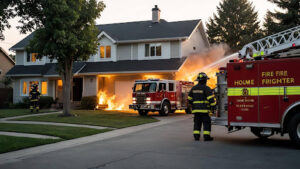
How Does Emergency Restoration Protect Your Claim?
Emergency restoration protects a claim by helping prevent the damage from getting worse after the fire. Many insurance policies expect you to take reasonable steps to limit further loss. A restoration company can help with those steps safely.
Emergency work may include boarding up broken windows, placing tarps over roof damage, removing standing water, setting up drying equipment, clearing unsafe debris, and securing exposed areas. Documentation of this work can show the insurance carrier that you acted quickly to protect the home or business.
What Restoration Work May Support the Claim?
Restoration work supports a fire damage claim when each service is clearly documented. The purpose is not only to clean the property, but also to show what damage was found, why the work was needed, and how each step helped protect or restore the property.
Debris removal, soot cleaning, smoke cleaning, water extraction, drying, and odor removal may all play a role. A restoration company can document burned materials before removal, note where smoke and soot spread, track moisture readings, and explain why deodorizing or deeper cleaning may be needed.
What Should Property Owners Avoid During a Fire Damage Insurance Claim?
You should avoid cleaning, repairing, or throwing away damaged materials before the damage has been documented. These actions can make it harder to show the full extent of the loss.
It is also best to avoid using household cleaners on soot-covered surfaces. Soot can smear, stain, or bond with certain materials when cleaned the wrong way. Professional cleaning can reduce the risk of making the damage worse.
You should not turn on damaged electrical systems, use affected appliances, or enter unsafe rooms. Keeping photos, receipts, emails, inspection notes, and information from the insurance company can also make the claim easier to follow.
When Should You Call a Restoration Company?
You should call a restoration company once the immediate emergency has passed and the property is safe to inspect. Fast action helps protect the property, preserve evidence, and reduce secondary damage.
A quick response can be helpful when smoke residue is spreading, water is still present, odors are strong, or the structure is exposed to weather. Calling early also gives the restoration company time to inspect, document, and begin emergency services before conditions change.
How Can 1-800 WATER DAMAGE Help After Fire Damage?
1-800 WATER DAMAGE can help you recover after fire, smoke, soot, odor, and water damage. Our team can inspect affected areas, document the damage, protect the property, and provide restoration services designed to help move recovery forward.
A fire damage insurance claim can feel easier to manage with professional support. Clear documentation, emergency cleanup, and direct restoration guidance can help you better understand the damage and the work needed to restore the property.
For help after a fire, property owners can request fire damage restoration services from 1-800 WATER DAMAGE and enter a ZIP code to find local service availability.