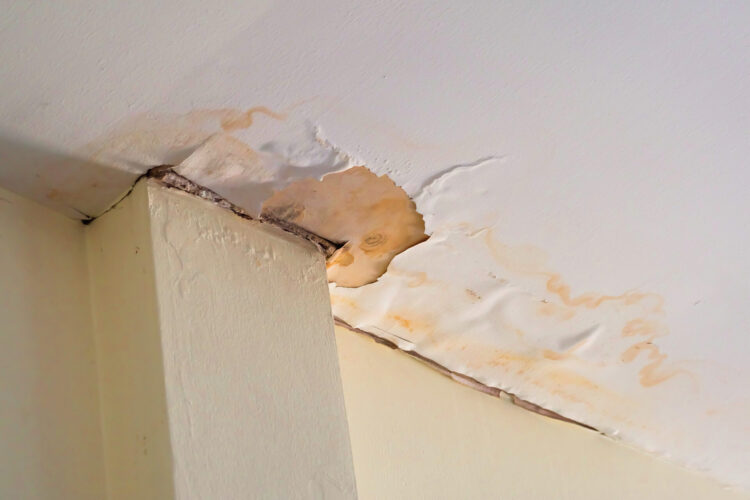
Carpet is a common flooring material because it adds comfort and warmth to a room. However, it can absorb a large amount of water when a pipe leaks, an appliance overflows, or other water damage occurs. Moisture can then migrate into the carpet padding and the materials beneath the floor.
When damp carpet does not dry properly, mold can develop in the fibers, padding, or nearby building materials. Finding mold in carpet from water damage can leave you unsure whether the carpet and padding can stay in place or need to be removed. The right response depends on the water source, how long the carpet remained wet, and how much of the area is affected.
This article explains what to do when you find mold in water-damaged carpet. It covers how mold develops, when carpet may need to be removed, and how professionals assess and address the affected area. It also explains what to avoid and when to contact a water damage professional.
What Should You Do First if You Find Mold in Your Carpet?
Start by stopping the water source if you can do so without creating another problem. This may mean turning off a water supply valve, shutting off a leaking appliance, or calling a plumber. Avoid pulling up large sections of carpet or disturbing visible mold before the area has been assessed.
Limit foot traffic through the affected room and document the damage with photos. If the carpet is still wet, professional water extraction may be needed before drying begins. A restoration technician can also check whether water has reached the padding, subfloor, baseboards, or nearby walls.
It can also help to note when the water damage started and what caused it. A recent appliance leak, for example, may require a different response from water that has been entering gradually through a roof, window, or foundation. Providing the restoration team with this information can help them understand how long the materials may have been exposed to moisture.
Why Does Mold Develop in Water-Damaged Carpet?
Water can pass through carpet fibers and collect in the padding underneath. From there, moisture may reach tack strips, subflooring, baseboards, and lower wall sections. These materials can stay damp after the carpet surface starts to feel dry.
Mold can develop when moisture stays in porous materials for an extended period. The water source, moisture levels, airflow, and materials all affect the room’s conditions. This is why assessing the area below and around the carpet is an important part of the repair process.
The size of the wet area can also affect how quickly the space dries. A small spill addressed promptly is different from water that covers an entire room or spreads into adjoining spaces. Larger losses often require more extensive moisture checks to determine where the water traveled.
Can Carpet With Mold Be Saved?
Carpet with mold can be saved in certain cases, but the condition of the carpet, padding, and subfloor needs to be considered first. Carpet that was briefly wet presents a different situation from carpet that remained damp long enough for visible mold to develop. The water source and extent of the affected area also influence the decision.
Padding can hold moisture long after the top of the carpet feels dry. If mold or prolonged moisture has affected the padding or other porous materials, removal may be part of the remediation plan. A professional assessment helps determine which materials can stay and which need to be removed.
The condition of the subfloor also matters when deciding what happens next. If water has reached wood, engineered materials, or other flooring layers, technicians may need to inspect and dry these materials before installing replacement carpet or padding.
How Professionals Address Mold in Water-Damaged Carpet
Professional work begins by identifying the water source and determining how far the moisture has traveled. Technicians may inspect the carpet, padding, baseboards, subfloor, nearby walls, closets, and adjoining flooring. Moisture detection tools can help locate damp materials that are not obvious by touch.
The inspection also helps separate visibly affected materials from areas that only need drying or continued monitoring. This can make the repair plan more focused and prevent unnecessary removal. The scope may change as materials are opened or lifted and additional moisture becomes visible.
Water Removal and Drying
If water is still present, extraction comes before repair work. Drying equipment, such as air movers and dehumidifiers, may then be used based on the property’s condition.
Technicians track moisture levels during drying rather than judging the carpet by surface feel alone. This helps determine when affected materials have reached the drying goals set for the job.
Drying equipment may need to remain in place for a period, depending on the types of materials involved and the amount of moisture present. Technicians can take follow-up readings during the process and adjust equipment placement when needed. This helps keep the drying plan aligned with the actual conditions in the room.
Mold Remediation
When mold is found, technicians determine which materials have been affected. Some porous materials may need to be removed to access and address the area underneath.
Professional mold remediation after water damage follows a planned process based on the water source, affected materials, and conditions found at the property. At 1-800 WATER DAMAGE, we focus on assessment, careful material handling, drying, and repair, tailored to the scope of each job.
Repairs
Repairs can begin after damaged materials have been addressed and drying goals have been reached. Depending on the extent of the damage, this may include replacing carpet, padding, baseboards, drywall, or other building materials.
The purpose of the repair process is to address the affected area rather than only the visible mold on the carpet. The work is based on what technicians find during inspection, removal, and drying.
What Should You Avoid Doing With Moldy Carpet?
Avoid scrubbing visible mold or applying household sprays to the carpet. Treating the surface does not address moisture that may still be present in the padding, subfloor, or nearby materials.
Do not cover damp carpet with rugs, furniture, boxes, or plastic. You should also avoid assuming the carpet is dry simply because the surface feels dry. Moisture readings can provide a clearer picture of conditions below the carpet.
When Should You Call a Water Damage Professional?
Professional help is appropriate when you can see mold, the carpet stayed wet for an extended period, or water has reached walls, baseboards, multiple rooms, or other building materials. Trained professionals should also handle sewage-related water.
A recurring musty odor or damp carpet may indicate moisture that has not been fully addressed. Use our location finder to find local water damage repair services and connect with a nearby 1-800 WATER DAMAGE team for an assessment.
How Can You Reduce Mold Problems After Future Water Damage?
Address water damage promptly when another leak or overflow occurs. Stop the source when possible, remove standing water, and have affected materials checked rather than relying on surface appearance alone.
Pay attention to areas where leaks are more common, such as near water heaters, washing machines, sinks, windows, and plumbing fixtures. Regular plumbing maintenance and proper exterior drainage can also help reduce repeat moisture problems.
It can also help to check carpet edges after plumbing work, heavy rain, appliance leaks, or other events that introduce moisture into the property. Dampness near walls or transitions between rooms can be easy to miss during a quick visual check. Addressing these areas early can make it easier to identify the source before the moisture spreads farther.
Get Help With Mold and Water-Damaged Carpet
Mold in carpet from water damage should be treated as a moisture problem that may extend beyond the visible flooring. The process starts with addressing the water source, checking materials around and beneath the carpet, and determining how far the damage has spread.
At 1-800 WATER DAMAGE, we assess water-damaged areas, remove water when needed, address mold-related damage with care, and coordinate repairs based on the conditions found. If you need help, request water damage repair and mold-related service and enter your ZIP code to find a 1-800 WATER DAMAGE location near you.