Finding water in your garage can be inconvenient, especially when it is not immediately clear where it came from, how far it spread, or what needs attention first. You may also have concerns about stored belongings, electrical outlets, tools, appliances, drywall, or water moving from the garage into the rest of your home.
Garage water damage can also feel confusing because a garage is often part storage area, part workspace, and part entry point into the home. A quick mop may seem like enough at first, but water can sit behind walls, under boxes, near the garage door, or around appliances long after the floor looks better.
This article explains what to do if you find water damage in garage areas, from initial safety steps to cleanup, drying, documentation, and when to call a professional.
7 Things to Do if You Have Water Damage in Your Garage
Water damage in your garage can spread quickly if it is not addressed right away. The following steps outline what to do first to safely slow the damage, then guide you through documentation, water removal, drying, and checking materials that may still hold moisture.
1. Stop the Water Source if You Can Do So Safely
Stop the water source if you can clearly identify it and reach it without risk. If the water is coming from a leaking pipe, water heater, utility sink, washer, or supply line, shutting off the water can help reduce the amount of damage.
If water is coming through the garage door during heavy rain, try to block the entry point from a dry, stable area. Do not stand in moving water, deep water, or water near electrical items. If the garage door opener, outlets, cords, or appliances are near the water, step away and wait for professional help.
If the source is not clear, do not spend too much time guessing. Water can come from roof leaks, poor drainage, cracks in the concrete, plumbing issues, damaged garage door seals, or exterior flooding. A professional assessment can help identify where the water entered and what needs to happen next.
2. Stay Away From Electrical Hazards
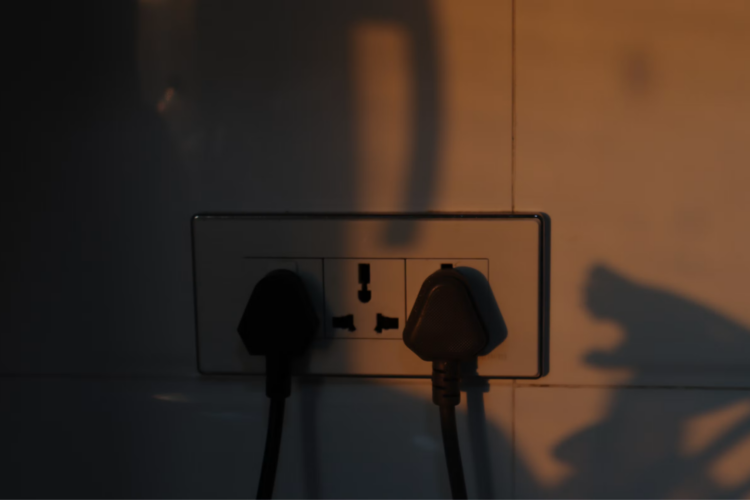
Keep away from electrical hazards before moving items or cleaning. Garages often have outlets, power strips, extension cords, refrigerators, freezers, chargers, garage door openers, and power tools near floor level.
Do not unplug cords, move appliances, or use electrical tools if water is nearby. Water and electricity can create a serious hazard, and the best next step may be to leave the area alone until the right professional can inspect it.
If water has reached outlets, wiring, or electrical equipment, call for help before using that part of the garage again. Water damage in garage spaces can affect more than the floor, especially when electrical systems or appliances are involved.
3. Remove Standing Water and Wet Items
Remove standing water as soon as the area can be entered safely. The longer water sits, the more time it has to spread into walls, trim, storage boxes, shelves, and nearby rooms.
Small amounts of clean water may be handled with towels, a mop, or a wet vacuum rated for that use. Larger amounts of water need stronger equipment and a careful drying plan. If water has spread across the garage or reached building materials, professional garage water removal and extraction services can help remove water and start the drying process.
Move wet storage items away from dry areas so moisture does not keep spreading. Cardboard boxes, fabric items, wood furniture, paper records, and seasonal decorations can absorb water quickly. If items are too heavy, soaked, or possibly contaminated, leave them in place for the restoration team to review.
4. Document the Damage Before Major Cleanup
Take photos and videos before you begin major cleanup. Documentation can help you explain the damage to your insurance company, property manager, plumber, contractor, or repair team.
Capture the water source if it is visible. Take pictures of standing water, wet walls, damaged boxes, affected appliances, flooring, cracks, gaps in the garage door, and any items that may need repair or replacement.
Do not throw away damaged belongings before documenting them, unless they create an immediate hazard. If you plan to file an insurance claim, your insurer may want to see what was damaged and how the garage looked before cleanup began.
5. Check Walls, Trim, Storage, and Nearby Rooms
Check more than the garage floor because water can travel into hidden areas. Drywall, base trim, wood framing, insulation, cabinets, shelves, and stored items can hold moisture after the visible water is gone.
Look for staining, bubbling paint, soft drywall, swelling trim, musty odors, damp boxes, or water marks along the wall. These signs can indicate moisture that requires more than surface cleaning.
If the garage is attached to your home, check nearby rooms and the door between the garage and living space. Water can move under walls or through shared materials, so a dry-looking floor does not always mean the problem has been fully resolved.
6. Dry the Garage the Right Way
Dry the garage with the right equipment and enough time for affected materials to release moisture. Opening doors and using household fans may help with light surface moisture, but may not be enough for wet walls, trim, storage, or insulation.
Concrete can look dry before nearby materials are dry. Water can also sit behind cabinets, under shelving, or inside cardboard boxes. Moisture meters help professionals identify damp areas that are not easily visible.
Proper drying can also help reduce moisture conditions that may lead to mold concerns, especially when drywall, insulation, wood, or stored boxes are affected. Our guide to the professional water damage repair process after a garage leak explains what to expect when a restoration team arrives.
7. Call a Professional When the Damage Is More Than Minor
Call a professional when water is standing, spreading, contaminated, or difficult to dry. You should also get help if water touched electrical areas, entered the garage from outside flooding, came from a drain backup, or reached walls and stored items.
Treat the situation as urgent if the water is moving toward finished living areas or if you are unsure how far it traveled. A garage can be more involved than it looks because it may have unfinished surfaces, heavy storage, appliances, and several entry points for outside water.
1-800 WATER DAMAGE provides 24/7 emergency response for water damage repair, water removal, sewage cleanup, fire damage restoration, smoke damage cleanup, and mold remediation. We assess the situation, explain next steps, and help restore the affected property to pre-loss conditions.
How Can You Help Prevent Future Water Damage in the Garage?
You can help prevent future water damage in the garage by keeping water away from it, improving drainage, and storing items off the floor. Prevention starts outside the garage, especially around the driveway, gutters, door seal, and nearby grading.
Check whether rainwater collects near the garage door. If it does, you may need drainage work, gutter repairs, a new threshold seal, or help from a contractor who can correct water flow around the garage.
Inside the garage, keep valuable items in raised storage or sealed plastic bins. Avoid placing cardboard boxes directly on the floor. Check around appliances, water heaters, pipes, and utility areas regularly so small leaks are easier to catch.
Get Help With Garage Water Damage From 1-800 WATER DAMAGE
A wet garage can create stress because you may not know what is damaged, what can be dried, or how far the water has spread. You do not have to make those decisions on your own.
1-800 WATER DAMAGE can help with water removal, drying, cleanup, repair planning, sewage cleanup, fire damage restoration, smoke damage cleanup, and mold remediation. We bring clear communication, careful assessment, and 24/7 emergency response to water damage situations.
If you need help with water in your garage, request service from 1-800 WATER DAMAGE and enter your ZIP code to find a location near you.