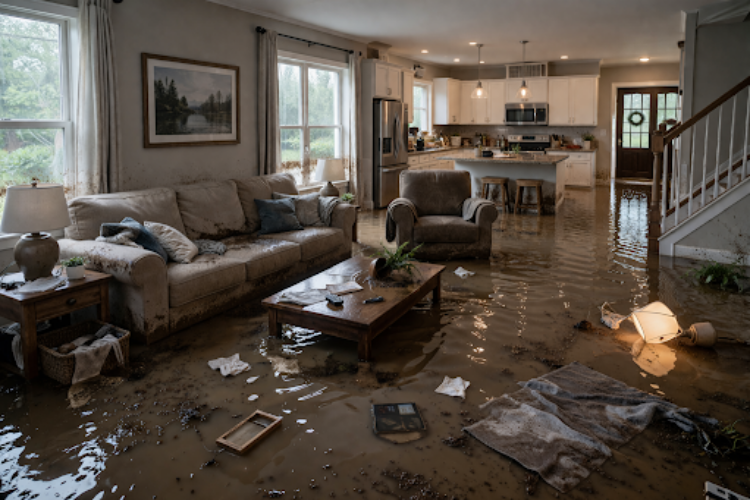
Basements are especially vulnerable to mold growth because of their location below ground level and exposure to moisture from multiple sources.
The cool, dark environment and potential water intrusion creates conditions where mold can thrive if left unchecked. Even though you can’t eliminate all mold spores, you can take some key steps to help control moisture levels and reduce the conditions that allow mold to flourish.
Below, we’re sharing five essential steps that can help you prevent mold growth in your basement. These steps can help you control moisture, address potential water sources, and maintain conditions that discourage mold growth.
-
Control Humidity Levels Throughout Your Basement
Humidity control is one of the most effective ways to help prevent mold growth in your basement.
Mold spores are everywhere, but they need moisture to grow and multiply. When humidity levels are consistently high, surfaces stay damp enough to support mold growth even without visible water.
The ideal humidity level for basements falls between 30 and 50 percent. You can monitor humidity with an inexpensive hygrometer, which measures moisture content in the air. Place it in your basement and check it regularly to track any changes.
How a Dehumidifier Can Help
If your basement consistently shows humidity above 50 percent, you’ll want to reduce the air’s moisture content. A dehumidifier is one of the most practical tools for this purpose. Choose one sized appropriately for your basement’s square footage, and position it where air can circulate freely. Empty the collection bucket regularly, or set up continuous drainage if your model supports it.
Consider Natural Humidity Changes
Keep in mind that humidity levels fluctuate with the seasons. Your basement might stay dry during winter, but develop humidity problems in spring and summer when warm, moist air enters the cooler environment. This seasonal variation means you may need to run your dehumidifier more frequently during certain seasons.
-
Seal Water Entry Points
Water entering your basement from outside creates immediate conditions for mold growth.
Even small amounts that seep in during rain or snowmelt can saturate building materials, creating sustained moisture that mold requires. Identifying and sealing potential entry points is a must.
What to Look for
Start by examining your basement from the inside or having a professional do it for you. Check where walls meet the floor, as this is a common entry point for groundwater. Look for water stains, efflorescence (white, chalky deposits), or dampness. Pay special attention to corners and areas beneath windows.
Foundation cracks also provide pathways for water to enter. Even hairline cracks can allow moisture to seep through, especially during heavy rain or when groundwater levels are high. If you find cracks in your foundation walls or floor, consider having them professionally sealed.
Window wells are another common source of water intrusion. If your basement has windows at or below ground level, make sure the wells have proper drainage and that the windows seal tightly. Clear debris from window wells regularly, and consider installing covers to keep rain and snow from accumulating.
-
Improve Air Circulation and Ventilation
Stagnant air in basements creates pockets where moisture can build up, providing ideal conditions for mold growth.
Improving air circulation helps moisture evaporate and prevents it from settling on surfaces.
Open Basement Windows at Times
If your basement has windows, open them periodically when the weather is nice enough outdoors. This works best on dry days when outdoor humidity is lower than basement humidity. Avoid opening windows on humid summer days, as doing so can increase moisture levels.
Keep Air Flowing With Fans
Ceiling fans or portable fans help keep air moving throughout your basement. Position fans to create circulation patterns that reach corners and other areas where air tends to stagnate. If your basement has a bathroom, make sure the exhaust fan works properly and use it during and after showers. The same applies to laundry areas. If you have a washing machine in your basement, vent the dryer to the outside rather than into the basement space.
-
Maintain Plumbing Systems and Address Leaks Promptly
Plumbing problems are a major source of moisture in basements.
A dripping pipe, a leaking water heater, or a malfunctioning sump pump can introduce ongoing moisture, creating ideal conditions for mold growth.
Check Basement Pipes
Inspect exposed pipes in your basement regularly for signs of leaks, corrosion, or condensation. Pay attention to pipe joints and connections, as these are common locations for leaks. If you notice water stains on the floor beneath pipes or dampness on the pipes themselves, investigate and address them promptly.
Keep an Eye on Your Water Heater and Sump Pump
Water heaters typically have a lifespan of about ten years. As they age, they become more prone to leaks. Check your water heater periodically for signs of rust, corrosion, or moisture around the base. If it’s approaching the end of its expected lifespan, consider replacing it before it fails.
Sump pumps help protect basements from flooding by removing water that collects in a sump basin. Test your sump pump regularly by pouring water into the basin and confirming that it activates and discharges water properly.
Watch Out for Toilet Overflows and Clogged Drains
Floor drains can back up, particularly during heavy rain or when clogged. Keep floor drains clear, and if you notice slow drainage or water backing up, address the issue before it leads to standing water.
Toilet overflows and sewage backups require immediate attention. If you experience toilet overflow or similar plumbing emergencies, professional cleanup helps address both the immediate water issue and the potential for mold growth.
-
Store Items Properly
The way you use and maintain your basement affects its vulnerability to mold growth.
Items stored directly on the floor can trap moisture underneath them, creating spaces where mold can develop unseen. Organic materials like cardboard, paper, and wood are especially susceptible to mold when exposed to moisture.
Keep Storage Off the Ground
Store items on shelving units rather than directly on the basement floor. This allows air to circulate beneath stored items, making it easier to spot any water that might enter. Metal or plastic shelving works better than wood in basement environments.
If you have to store items in boxes, choose plastic containers with tight-fitting lids rather than cardboard boxes. Cardboard absorbs moisture from the air and can become moldy even without direct water contact.
For extra protection, avoid storing items against exterior basement walls, as these walls are more likely to have moisture issues. Leave several inches of space between stored items and walls to allow for proper air circulation.
What To Do When You Discover Mold in Your Basement
Foundation settling, changing groundwater patterns, plumbing failures, and severe weather events can introduce moisture when you least expect it.
When you discover mold in your basement, taking quick action helps limit the spread and protect your peace of mind.
How 1-800 WATER DAMAGE Can Help
We specialize in restoring homes and businesses to pre-loss conditions after mold wreaks havoc. Our approach to mold damage repair starts with identifying and controlling the moisture source, then treating affected areas.
Next, our technicians use thermal imaging to locate hidden moisture sources that feed mold growth. We assess the extent of the problem and develop a treatment plan tailored to your specific situation.
We address the underlying moisture issue that allowed mold to grow in the first place, using professional-grade dehumidifiers and specialized techniques to properly treat surfaces and materials.
Get Help With Basement Mold Today
If you’ve discovered mold in your basement or experienced water intrusion, we can help.
Our team is available 24/7, because addressing moisture problems early makes a real difference. Enter your zip code to find a 1-800 WATER DAMAGE location near you and connect with professionals who understand basement moisture and mold problems.
Frequently Asked Questions About Preventing Basement Mold
What humidity level helps prevent mold growth in basements?
Maintaining humidity between 30 and 50 percent helps discourage mold growth. You can monitor humidity with a hygrometer and use a dehumidifier to reduce moisture when levels climb too high.
How often should I check my basement for signs of moisture?
Checking your basement monthly for signs of moisture, water stains, or musty odors helps you catch problems early. Pay extra attention during and after heavy rains, spring thaw, and other times when water intrusion is more likely.
Can I use bleach to clean mold in my basement?
Although bleach can kill surface mold on non-porous materials, it doesn’t address mold roots and doesn’t work well on porous surfaces. More importantly, cleaning visible mold without addressing the moisture source means the mold will likely return.
Do basement waterproofing systems help prevent mold?
Professional basement waterproofing systems can be effective at preventing water intrusion that leads to mold growth. These systems typically include drainage, sump pumps, and vapor barriers. The right waterproofing approach depends on your specific basement and the sources of water intrusion.
What should I do if I find mold in my basement?
If you discover mold, start by identifying and addressing any moisture sources. For small surface mold areas, you might be able to clean them yourself, but widespread growth, mold on porous materials, or recurring problems typically require professional care.