Cracks in your ceiling after water damage should not be ignored. If you notice cracking, staining, or sagging after a leak, check for an active water source and avoid disturbing any area that looks heavily saturated. The first step is to stop more water from entering the ceiling.
Water can weaken drywall, plaster, and other ceiling materials, causing cracks to form during or after a leak. Moisture can also spread above the ceiling or into nearby walls before visible signs appear. This means a crack may be only one part of the damage.
Follow the steps below to learn what to do if you see cracks in the ceiling from water damage, when to call a professional, and how the repair process works. We will also cover common causes and signs that need closer attention. Addressing the moisture source first can help prevent a surface-only repair.
Why Does Water Damage Cause Ceiling Cracks?
Water damage can cause cracks in ceilings by weakening or shifting the materials that make up the ceiling. Drywall and plaster absorb moisture, which can make them swell, soften, or lose some of their strength. The joints between ceiling panels can also begin to separate.
Cracks may become more noticeable as the affected materials dry. Drywall, plaster, and joint compound can change shape as moisture levels fall, exposing weak points that were not visible before the leak. An older ceiling, or one with minor existing cracks, may show these changes sooner.
The source may be a plumbing leak, a roof problem, an overflowing fixture, or another source of unwanted water. Reviewing the most common causes of water damage in homes can help you understand where the moisture may have started. Finding the source is the first part of addressing the ceiling damage correctly.
Check Whether Water Is Still Entering the Ceiling
Start by checking whether the leak is still active. Fresh stains, dripping water, damp drywall, or a stain that continues to grow can indicate that moisture is still reaching the ceiling. Do not begin patching the crack until the source has been found and addressed.
If the leak is connected to a plumbing fixture or pipe and you can identify the source, shutting off the relevant water supply may help limit further damage. Roof leaks or water entering the building through the exterior may require help from a qualified contractor. Avoid opening the ceiling yourself if you are not sure what is above it.
Water can also travel before it becomes visible. A stain or crack may appear several feet from the actual leak because water can follow framing, pipes, or other surfaces. A closer assessment may be needed when the source is not obvious.
Look for Other Signs of Ceiling Damage
A crack can be one of several signs that water has affected the ceiling. Look for discoloration, peeling paint, bubbling finishes, soft drywall, or changes in ceiling texture. These clues can provide more information about how much of the area has been affected.
Sagging or bulging deserves closer attention because wet ceiling materials can become heavier. Avoid standing directly below an area that appears heavily saturated or unsupported. Do not press, puncture, or pull on the damaged section to release water.
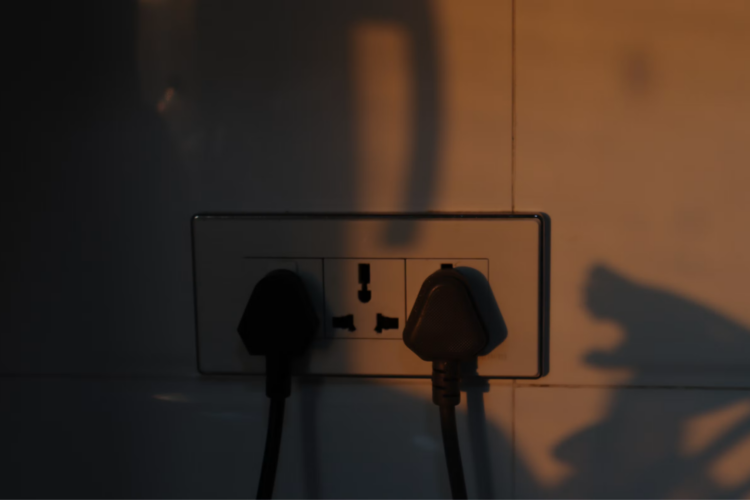
Electrical fixtures also require caution. If the damaged area is near a ceiling light, fan, recessed fixture, or visible wiring, avoid touching the wet materials or electrical components. An appropriate electrical professional can evaluate any concerns involving the electrical system.
Do Not Patch the Crack Before the Area Is Dry
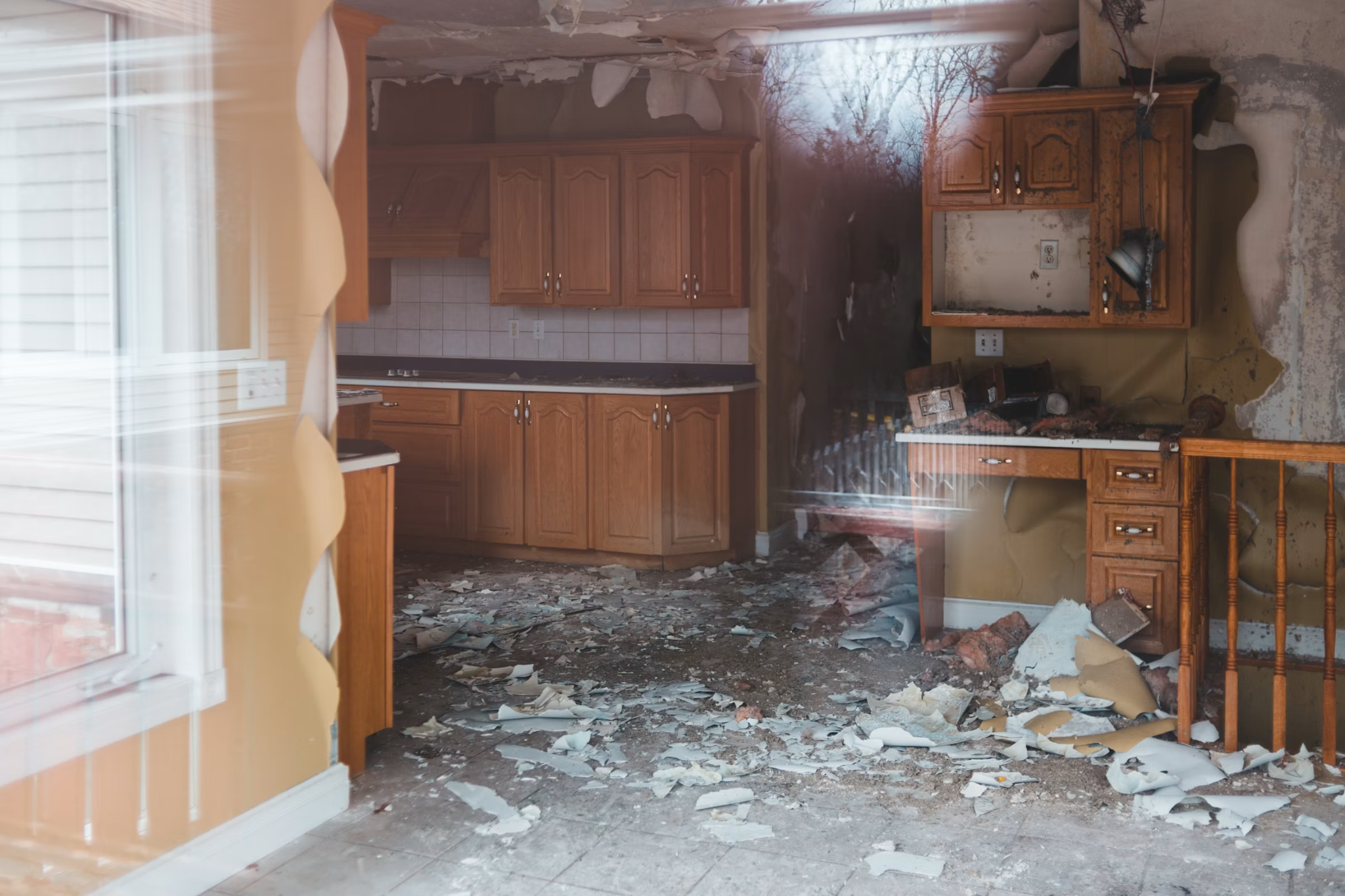
A visible ceiling crack should not be patched until the water source has been controlled and the affected materials have dried. Filling the crack too soon may cover the symptom without addressing moisture still present above or inside the ceiling.
A ceiling can feel dry on the surface even when moisture remains deeper in the drywall, insulation, or surrounding materials. Moisture readings can provide a clearer picture of whether drying is complete. This is especially useful when water has moved beyond the visible stain.
Once the moisture problem has been addressed, the condition of the ceiling can be evaluated more accurately. Some materials may be suitable for repair, and other sections may need to be removed and replaced. The decision depends on the level of damage and the condition of the materials.
Have the Water Damage Professionally Assessed
A professional assessment can help determine how far the water has traveled and which materials have been affected. Water may reach drywall, insulation, framing, walls, or other nearby areas before you notice a visible ceiling crack. Inspection and moisture detection can help identify areas that are difficult to judge from the room below.
At 1-800 WATER DAMAGE, we assess the affected area and develop a plan based on the conditions we find. Our professional water and flood damage repair services may include water removal, drying, damage assessment, and repair, depending on the property’s needs.
The assessment can also help determine which materials can stay in place and which need more extensive attention. Factors such as the amount of water, the length of exposure, the material type, and the current condition all influence the repair plan. This gives the repair process a clear starting point before cosmetic work begins.
How Are Water-Damaged Ceiling Cracks Repaired?
Repair begins after the moisture source has been addressed and the affected area has been dried. The ceiling is then evaluated to determine whether the damaged section can be repaired or replaced. Surface repairs come later in the process.
Minor cracking may require damaged joint compound to be removed before the area is patched and refinished. If drywall or plaster has become soft, misshapen, or heavily damaged, part of the ceiling may need to be removed. The replacement area can then be prepared to blend with the surrounding ceiling.
Staining and damaged paint may also need attention once the underlying repair is complete. Surface preparation is important because water can affect how new finishes bond or appear. The goal is to address the cause and damaged materials before focusing on the final appearance.
Watch the Area for Changes
Keep an eye on the damaged area before repairs begin. A crack that grows longer or wider, spreads discoloration, causes new dripping, or increases sagging can indicate that the conditions above the ceiling are changing. These changes can also suggest that the original water source has not been fully controlled.
Check nearby walls, trim, and adjoining ceiling areas for any new marks or changes in texture. Water can move into connected materials rather than remain in one small spot. This is one reason the visible crack may not show the full extent of the damage.
Photos can help you track changes over time. Take clear pictures of the crack, surrounding stains, and nearby surfaces without disturbing the damaged materials. These images can also be useful when discussing the issue with restoration professionals, contractors, property managers, or an insurance provider.
When Should You Call a Water Damage Professional?
Call a water damage professional when the source is unclear, the affected area is growing, the ceiling is sagging, or you suspect moisture has spread beyond what you can see. Professional help can also be useful when several materials or rooms have been affected.
Cracks in the ceiling from water damage can sometimes appear after the leak itself has stopped. Moisture may still be present above the ceiling, and materials may continue to change as they dry. A professional assessment can help identify whether more drying or repair work is needed.
1-800 WATER DAMAGE has locations serving communities across many parts of the United States. You can find a local 1-800 WATER DAMAGE location near you to discuss the damage and arrange an assessment.
Get Help With a Water-Damaged Ceiling
A cracked ceiling after water damage should be approached in the right order. Stop the water source, avoid disturbing damaged or sagging materials, assess the extent of moisture damage, and allow affected areas to dry before repairs begin. This process helps address more than the visible crack.
At 1-800 WATER DAMAGE, we provide 24/7 emergency response and professional water damage repair for homes and businesses. We assess the affected area, develop a repair plan, and work toward returning damaged areas to pre-loss conditions.
If you have noticed ceiling cracks, staining, sagging, or another sign of water damage, request water damage service from 1-800 WATER DAMAGE. Enter your ZIP code to connect with a location near you and discuss the next steps for your property.