If your client owns a historic home, the challenges and solutions with maintenance might be a little different from those of a new home. That’s especially true when they want to preserve those historical qualities that make the home so unique. So when water damage occurs on the property, it may bring up questions about finding a water damage restoration team that is equipped to handle the nuances and challenges that historic homes can bring.
At 1-800 WATER DAMAGE, we offer damage restoration services for properties across the country. From historical homes to apartment buildings to businesses, we’ve seen water damage in all its varieties. We also appreciate that different properties require different solutions for treatment and repair. It’s one of the many reasons we take a personalized approach to every home or business we treat.
Today, we’ll delve deeper into water damage in historic homes—why it happens, what challenges they may face, and how to take preventative action in the future.
Approaching Water Damage in Historic Homes
3 Common Sources of Water Damage in Historic Homes
While historic homes are stunning and full of character, they can also be more susceptible to water damage and other issues. Their age, older technology, and older building materials can all contribute to water infiltration. Let’s take a look at just three examples of how water can enter an old home and cause damage:
- Leaks from the roof. As roofs age, shingles, flashing, and underlayment can deteriorate, leaving gaps where water can enter. After heavy rain or snow, these weak points can make older homes more vulnerable to leaks that can spread into attics, walls, or ceilings.
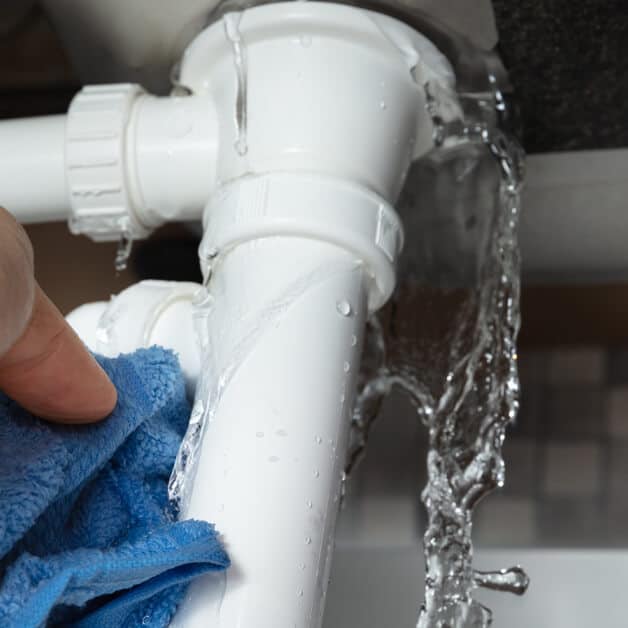
- Failures in old plumbing systems. Years of use can wear down pipes, joints, and connectors in older plumbing systems. Corrosion, buildup, and shifting foundations can all contribute to leaks or other failures, often without warning.
- Damage from mature trees. Historic homes often boast beautiful old trees as part of their landscaping. But those trees’ roots can burrow into sewage lines and other areas, resulting in sewage backup and other problems.
3 Reasons to Get Immediate Water Damage Restoration
For any home, historic or not, it’s always best practice to get water damage restoration as soon as possible. But for historic homes, it can be even more urgent to get treatment right away. Here are three reasons why that’s true:
- Preserving older features. The historic home likely has original features like wooden flooring and other distinctive surfaces. The last thing you want is for those to get damaged beyond repair. The faster you get treatment, the less risk to these stunning features.
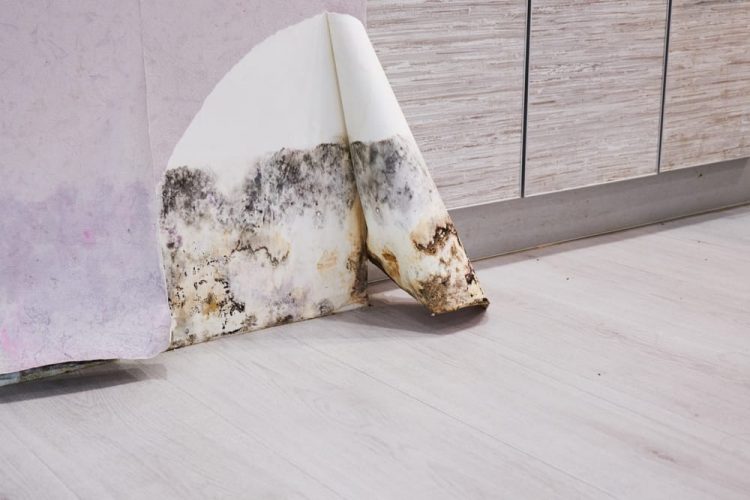
- Reducing the risk of mold. Mold is always a fear in any home. For those with historic homes, it can be especially devastating. That’s in part because most older homes are full of organic building materials, which become fast, easy food for mold. It can also be easier for moisture to seep through these porous surfaces, making them a perfect, hidden place for mold to thrive.
- Protecting an older foundation. An older home’s foundation has already faced a lot. It’s likely to have damage from re-settling, time, and general wear and tear. As much as possible, it is important to protect it from any further issues, which include water damage restoration at the first signs of infiltration.
How to Help Prevent Water Damage in Historic Homes
Knowing all of the ways that water damage can affect your insured’s home, how can they help prevent it from occurring in the first place? While there is no way to completely guarantee water damage prevention, here are some proactive steps that can be taken:
- Ongoing maintenance. Being proactive about maintaining and replacing the home’s systems when needed can be crucial in helping to prevent water damage. That means: getting roof inspections and maintenance, plumbing inspections, and making sure doors and windows are in good condition.
- Weatherproofing. It’s always worthwhile to protect your property from inclement weather. Make sure your drains are functioning well. Consider landscaping the yard to ensure effective drainage. Seal up cracks in the foundation and elsewhere.
- Take rapid action. If water has infiltrated your insured’s home, it is crucial to act right away. An immediate response to flooding, leaks, or other issues can help to mitigate many related risks. It’s one of the many ways 1-800 WATER DAMAGE can help out, too.
Water Damage Restoration from Our Trusted Technicians
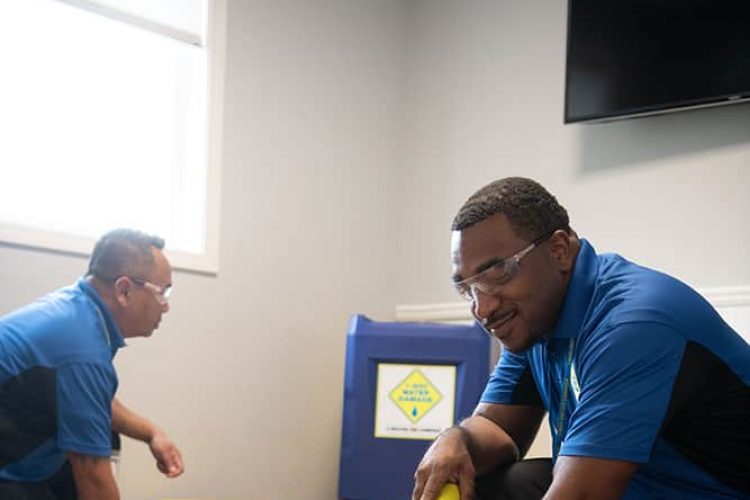
When your insureds need 24/7 emergency water damage restoration, you can always count on 1-800 WATER DAMAGE. We understand how crucial it is to act right away. Our trucks are packed and our technicians are ready to go. Our team will take a targeted, thorough approach to treatment, all while helping to preserve the home’s unique historic features.
When dealing with water damage in a historic home, you need a trusted team of professionals you can trust to help. Contact 1-800 WATER DAMAGE for comprehensive damage restoration today.