-
When a burst pipe, roof leak, or other unexpected problem strikes your property, 1-800 WATER DAMAGE can help.We provide expert water removal and extraction services backed by years of experience. Our team is ready to respond 24/7, working quickly and efficiently to root out excess moisture from your home or business and help prevent further water damage in the future.
Our Water Extraction and Removal Process
Every water damage situation is unique. We follow a proven process customized to your specific needs.
From the moment we arrive on-site, our focus is on removing water efficiently and setting up your property for drying. Here are the steps we take to restore your space:
Initial Assessment and Moisture Detection
Our skilled technicians start each job with a thorough assessment. This initial evaluation helps us develop a customized plan that addresses your specific situation. We identify which materials are affected, how deeply water has penetrated, and what equipment will be most effective for your property.
Standing Water Removal
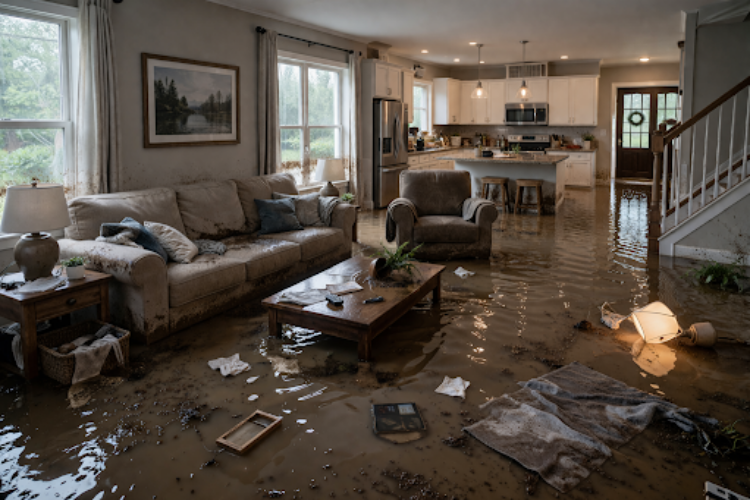
Once we understand the scope of the damage, we immediately start removing standing water using powerful pumps and extractors, treating your property with the utmost care as we go.
For properties with major flooding, we can remove thousands of gallons of water quickly and efficiently. After the standing water is gone, the real work of moisture extraction begins. We use specialized extraction equipment to pull water from carpets, padding, and other porous materials.
Contents Protection and Furniture Management
Our team may need to pull up carpeting and move furniture to access all affected areas.
Throughout this process, we work carefully to protect your belongings and minimize disruption to your property. We can relocate items to dry areas, raise furniture on blocks to prevent further water absorption, and use protective barriers to shield unaffected spaces from the restoration work. We treat all of your belongings with care and communicate clearly with you throughout the entire process.
Drying and Dehumidification
Drying and dehumidification are just as important as the initial extraction. During this part of the process, we position industrial-grade air movers and dehumidifiers strategically throughout the affected areas to promote rapid evaporation and capture airborne moisture.
This equipment runs continuously, often for several days, to bring moisture levels back to normal ranges. The placement of each piece of equipment is calculated based on airflow patterns, room layout, and the specific materials being dried.
Monitoring and Verification
We don’t consider the job done until we’ve verified that all affected areas are as dry as possible. Our technicians take moisture readings and adjust equipment placement as needed to address any remaining problem areas.
This careful monitoring helps prevent mold growth and other long-term complications. We provide documentation of moisture levels throughout the drying process, which can be valuable when working with insurance companies.
Types of Water Extraction We Perform
Water damage doesn’t present the same way in every property.
The type of extraction we use depends on where water is located, how much has entered the structure, and which materials are affected. Our team evaluates these conditions during the initial assessment and selects the appropriate extraction methods to support effective drying and repair.
Standing Water Extraction
When water has pooled on floors or collected in low areas, standing water extraction is the first step.
We use professional pumps and high-capacity extractors to remove large volumes of water efficiently. This approach helps limit how far water can spread into surrounding materials and allows drying efforts to begin sooner.
Carpet and Padding Extraction
Carpeted areas often hold water deep within the fibers and padding beneath. We use specialized extraction equipment designed to pull moisture from these materials without unnecessary removal when possible. Addressing moisture at this level helps reduce prolonged exposure to subflooring and nearby structural components.
Subfloor and Structural Moisture Extraction
Water can migrate beneath finished surfaces and settle into subflooring or structural materials. In these situations, we use targeted extraction techniques and controlled access points to remove trapped moisture. This step supports more consistent drying and helps guide repair planning.
Wall Cavity and Enclosed Space Extraction
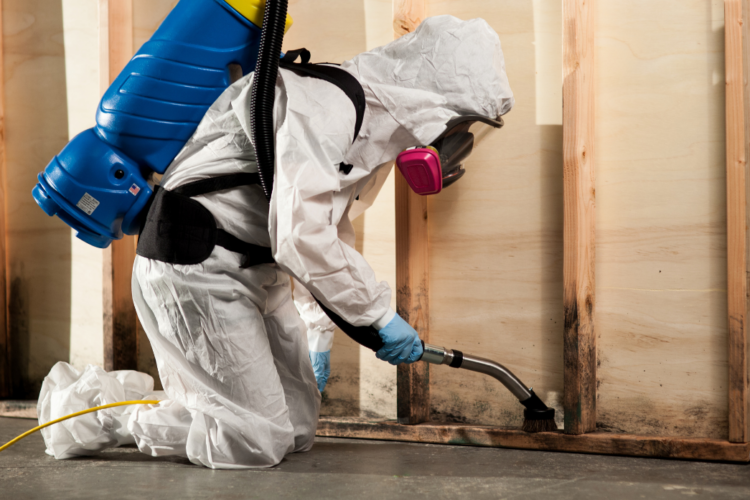
Moisture can also move into wall cavities, ceilings, and other enclosed spaces. Using moisture detection tools, we identify these areas and apply extraction methods suited for confined environments. This allows us to address water that may not be visible during a surface-level inspection.
What Happens When Water Isn’t Removed Quickly
The first few hours after water damage strikes make the biggest difference.
Water doesn’t just sit on surfaces; it actively spreads and penetrates into porous materials like drywall, insulation, subflooring, and wood framing.
Within the first 24 hours, materials begin to swell and warp. Drywall starts to break down, wood flooring can buckle, and moisture seeps deeper into structural components.
Beyond the visible damage, prolonged moisture exposure can compromise the structural integrity of your property, weaken support beams, and create conditions that require far more extensive repairs.
Different materials absorb and hold water at different rates. Carpet and padding act like sponges, holding moisture against subflooring for days or even weeks if not properly extracted. Hardwood floors can cup, crack, or separate at the seams. Our goal is to stop this damage before it starts.
We’ve seen firsthand how quickly water damage can escalate when it’s not addressed promptly. That’s why our approach focuses on rapid response and thorough extraction to stop damage progression as early as possible.
Why Professional Water Extraction Makes a Difference
Water removal involves more than removing what’s visible. Professional extraction relies on specialized equipment, training, and coordination to address moisture throughout the structure.
Household tools often can’t reach water trapped behind walls or beneath flooring. We use moisture detection and extraction methods designed for property repair work, allowing us to address hidden moisture and prepare the space for proper drying. This approach helps limit follow-up issues and supports a more manageable repair timeline.
Our professional property damage repair services save you both time and money by preventing these secondary issues.
Contact Us Today for Professional Water Extraction & Water Removal Services
If your property has been hit with a major flood, a burst pipe, or another type of water loss, we want to help you recover.
Our emergency water removal services are available 24/7. Our team of water damage restoration specialists will be there to provide quick and effective water removal and water extraction services to restore your peace of mind.
Our network includes locations across the eastern United States, and we’re ready to respond to your emergency day or night.
Enter your zip code on our website to find a location near you, or request service directly to speak with a specialist who can dispatch a team to your property. We’ll walk you through what to expect, answer your questions, and get the restoration process started right away.
Frequently Asked Questions
How soon should water be removed after damage occurs?
Water removal should start as soon as possible. The longer water stays in contact with building materials, the more it can spread and complicate repairs. Early assessment helps limit how far moisture travels through the property.
What types of water damage do you handle?
We handle water damage repair caused by issues such as burst pipes, appliance leaks, roof leaks, and flooding events. Services focus on water removal, extraction, drying, and coordination of repairs related to the water loss.
Do you work with insurance companies?
We regularly coordinate with insurance professionals and provide documentation related to moisture readings and drying progress to support the claims process.
Can you find water that isn’t visible?
Our technicians carefully inspect all parts of a property for water damage. Moisture detection tools allow us to locate water behind walls, under flooring, and in other areas that aren’t visible during a basic inspection.
Is water extraction different from drying?
Water extraction focuses on removing standing water and moisture from materials. Drying and dehumidification address leftover moisture within materials and the air after extraction is complete. Both of these services are part of our water damage repair process.
-
Request A Quote Or Service Today