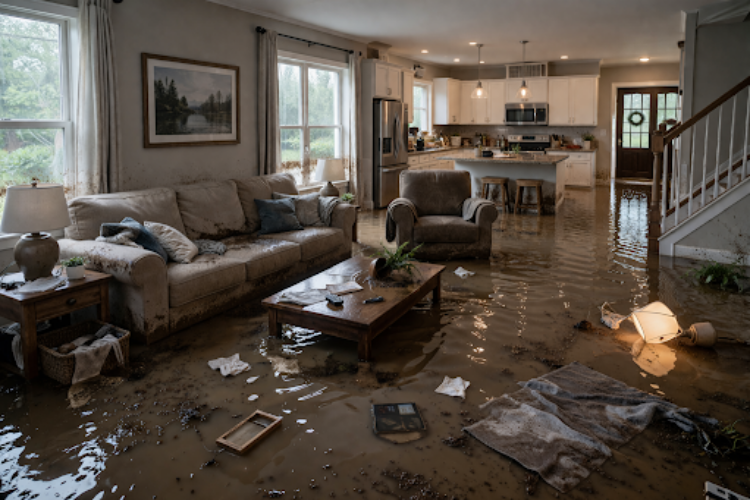
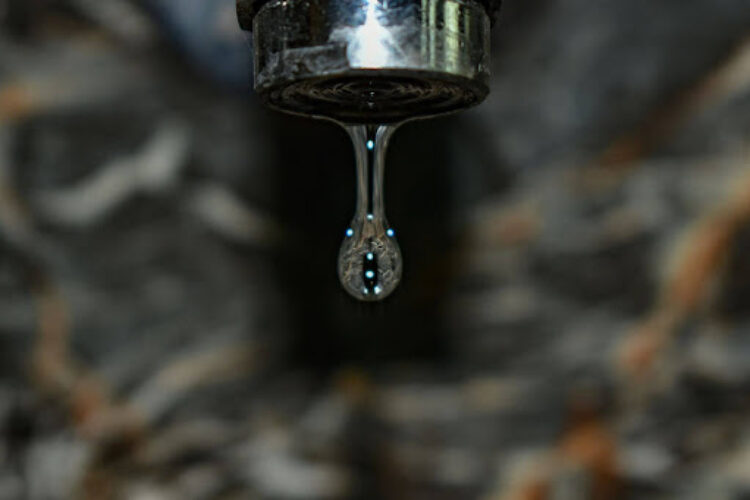
Water damage often begins quietly but can spread quickly if left unaddressed. A small leak, a damp area, or standing water can quickly seep through walls, flooring, and structural materials. When left unattended, the problem extends far beyond what you can easily see.
Untreated water damage can trigger a chain reaction inside a home or building. Moisture continues to move through materials, weakening structures and creating ideal conditions for mold growth. What begins as a simple repair can turn into a much larger restoration project if the damage is left alone.
In this article, we will explain what happens when water damage is left untreated, how it affects your space over time, and why taking action early makes a measurable difference in both safety and cost.
What Counts as Untreated Water Damage?
Untreated water damage does not always mean no action was taken. In many cases, some steps are taken, but they fall short of fully addressing the problem. It can mean wiping up surface water without dealing with the moisture trapped inside walls or beneath flooring, assuming a small leak stopped on its own, or waiting several days before calling for professional help.
Any time water is allowed to sit, spread, or dry improperly, damage continues to accumulate. The standard for addressing water damage goes beyond what is visible. It involves making sure moisture is fully removed from all affected materials.
How Quickly Does Damage Begin to Spread?
Water moves quickly, and it does not stay confined to one area. Within the first few hours of a water event, porous materials such as drywall, wood, and insulation begin to absorb moisture. Staining appears, swelling starts, and what looks like a wet floor may already be a wet subfloor.
Within 24 to 48 hours, saturated materials begin to break down, wood starts to warp, and drywall softens and begins to lose its structural integrity. This is also the window where mold growth becomes a real concern. Beyond 48 hours, the situation becomes more complex and more costly, potentially involving damaged framing, compromised finishes, and contamination that requires more extensive work to correct.
Mold Growth From Water Damage
Mold is one of the most talked-about consequences of untreated water damage, and with good reason. Under the right conditions, mold can begin to develop within 24 to 48 hours of a moisture event. It grows wherever there is consistent moisture, limited airflow, and organic materials to feed on. Drywall, wood framing, carpet backing, and ceiling tiles are all common growth sites.
The challenge with mold is that it often develops in areas that aren’t immediately visible: inside wall cavities, under flooring, and above ceiling tiles. Addressing it properly means identifying and resolving the moisture source, not just treating the surface. At 1-800 WATER DAMAGE, we follow established protocols to assess affected areas and properly remove contaminated materials.
Structural Damage Over Time
Over time, exposure to water can weaken and damage building materials. Wood framing absorbs moisture and begins to swell, warp, and weaken. Drywall that stays wet crumbles. Subfloors become soft and unstable. In cases where water damage has gone unaddressed for an extended period, the structural integrity of a property can be affected in ways that require more than a standard repair.
Even damage that looks minor on the surface can reflect deeper issues. Buckling hardwood floors often indicate that moisture has penetrated below the visible layer. A stain on a ceiling may mark the edge of a much wider saturated area above it.
Damage to Electrical and HVAC Systems
Water and electrical systems are a serious combination. When water reaches wiring, outlets, or electrical panels, the risks go beyond damaged components. Wet electrical systems can pose fire hazards and must be assessed by a licensed electrician before continuing use.
HVAC systems are also vulnerable. Water in ductwork can carry contaminants into other parts of the building, and equipment that gets wet may not function correctly even after it dries out. A professional assessment of both systems after a water event is an important step that’s easy to overlook when you’re focused on visible damage.
Effects of Water Damage on Indoor Air Quality
Persistent moisture affects the air inside a building. Humidity rises, musty odors develop, and if mold is present, spores can move through the air into other areas. Odors tied to water damage do not go away on their own. They indicate that moisture or growth still exists within the structure.
Addressing these conditions requires more than surface-level fixes. Proper drying, thorough cleaning, and, in some cases, mold remediation are what improve the indoor environment after a water event. Painting over stained walls or using air fresheners will not resolve the underlying problem.
Financial Consequences of Untreated Water Damage
The longer water damage is left unaddressed, the more costly it becomes to fix. Early intervention typically involves extraction, professional drying equipment, and targeted repairs. Delayed intervention can mean replacing flooring, framing, and drywall, plus addressing mold on top of all that.
Most insurance policies require prompt reporting and mitigation after a loss. Waiting too long can complicate claims and may affect what’s covered. Documenting damage quickly and getting professionals involved early tends to work best from an insurance standpoint.

Why Professional Water Mitigation Is Critical
Drying out a water-damaged property isn’t effective with fans and open windows. It requires professional mitigation services. Professional mitigation involves industrial-grade extraction equipment, moisture meters, dehumidifiers, and air movers calibrated to the specific conditions in your space. Professionals monitor the drying process over time, adjusting equipment and checking readings until moisture levels are within an acceptable range throughout all affected materials.
You can get a fuller picture of what this involves from checking out our guide to water mitigation.
What the Water Damage Repair Process Looks Like
When you contact 1-800 WATER DAMAGE, the process begins with a thorough inspection. We document the damage, assess moisture levels throughout walls, floors, and other materials, and put together a plan for extraction, drying, and repair. We monitor progress throughout and handle the cleanup and repair work needed to return your property to its pre-loss condition, coordinating with your insurance carrier as needed.
Our restoration process page walks through each step in more detail.
How to Prevent Long-Term Damage
The most effective step after a water event is to act quickly. The sooner extraction and drying begin, the less opportunity there is for damage to spread and deepen. Routine maintenance also plays a role: inspecting plumbing connections, appliance hoses, and roof and gutter conditions periodically helps catch small issues before they become big ones. Keeping indoor humidity within a normal range and making sure crawl spaces and basements are properly ventilated reduces the risk of moisture buildup over time.
Acting Early Makes All the Difference
Water damage does not resolve itself without proper intervention. The effects of water damage over time compound quickly, and the difference between a minor repair and a major one often comes down to how quickly the problem was taken seriously. At 1-800 WATER DAMAGE, we’re available 24/7 for emergency response and bring the expertise and equipment needed to handle water damage repair correctly from the start. Enter your zip code here to find a 1-800 WATER DAMAGE location near you.
Frequently Asked Questions
How long does it take for water damage to become serious?
Water damage can begin causing real problems within hours. Absorption and staining start almost immediately, and the conditions for mold growth can develop within 24 to 48 hours. The longer moisture sits unaddressed, the more materials are affected and the more complex the repair becomes.
Can water damage dry out on its own?
Surface water may evaporate, but moisture that has penetrated walls, flooring, and other building materials doesn’t dry out reliably without professional intervention. Without proper equipment and monitoring, moisture can stay trapped inside materials long enough to cause structural damage and allow mold to develop.
What does professional water damage repair involve?
Professional repair starts with an inspection and moisture assessment, followed by water extraction, industrial drying, and ongoing monitoring until all materials reach acceptable moisture levels. From there, repairs address the physical damage to walls, flooring, and other affected areas, with documentation and insurance coordination throughout.
How do I know if I have hidden water damage?
Common indicators include staining on walls or ceilings, peeling paint, soft or warped flooring, musty odors, and elevated indoor humidity. These signs can appear even without a recent water event and may indicate moisture that has been accumulating over time.
Does homeowners’ insurance typically cover water damage?
Coverage depends on your specific policy and the source of the damage. Sudden, accidental water events are often covered, but gradual damage from long-term leaks or deferred maintenance may not be. Contacting your insurer promptly after any water event is always a good first step.
Why call 1-800 WATER DAMAGE?
We bring 24/7 emergency availability, professional equipment, and teams trained to handle water damage repair thoroughly and correctly. With nearly 100 locations and a 4.93 average rating across our network, we’re a trusted resource for homeowners, business owners, property managers, and the contractors and insurers who work alongside them.