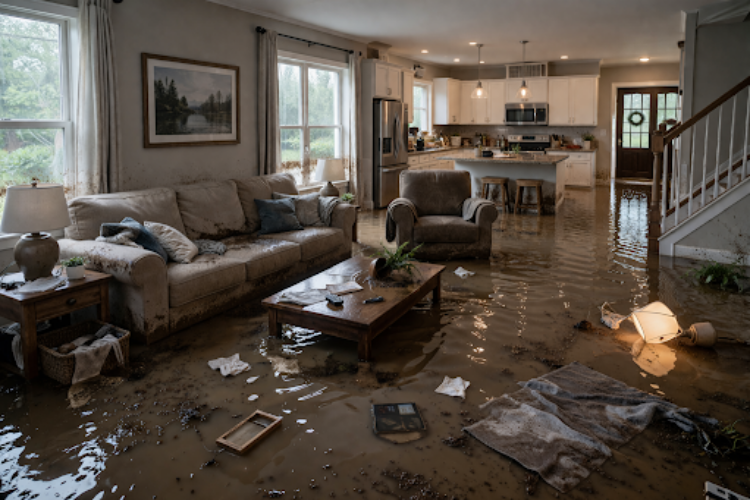
Water damage can start suddenly or build slowly over time, but either way, it can disrupt your home and lead to expensive repairs. From hidden leaks behind walls to unexpected appliance failures, water often spreads further than it first appears. What looks like a small issue on the surface can quickly turn into a larger problem if it is not addressed early.
Many of the most common causes of water damage in homes come from systems you rely on every day. Plumbing lines, household appliances, roofing, and drainage systems all play a role in keeping water where it belongs. When one part fails, water can move through floors, walls, and structural materials in ways that are not always easy to detect.
This guide breaks down the most common causes of water damage and explains how each one affects your home. By understanding where problems start and how they develop, you can take steps to reduce risk and know when to bring in professional help.
What Are the Most Common Causes of Water Damage in Homes?
Water damage does not always come from a major storm or a sudden pipe break. In many cases, it starts with something small, like a slow leak under a sink that goes unnoticed for months, or a clogged condensation line that begins to overflow without warning. At its simplest level, water damage occurs when water gets into places it should not be and stays there long enough to affect building materials, finishes, and even the structural parts of your home.
The causes vary and often come from everyday systems inside and outside the home. Plumbing issues, appliance failures, roof problems, and weather conditions are all common sources. In some cases, simple human mistakes can also lead to serious damage. Many of these problems can be prevented with routine maintenance, while others happen with little warning. The causes outlined below make up most water damage situations, and understanding them helps you take the right steps to protect your property.
Plumbing Leaks and Burst Pipes
Plumbing is one of the most common sources of water damage in residential properties. Pipes wear down over time, fittings loosen, and older systems made from galvanized steel or cast iron eventually reach the end of their lifespan. High water pressure can speed up this wear, placing extra stress on joints and valves. This extra pressure can create small leaks that often go unnoticed until damage has already spread.
In colder climates, freezing temperatures add another layer of risk. When water inside a pipe freezes, it expands and puts intense pressure on the pipe walls. The pipe does not always burst during the freeze itself. In many cases, it fails when temperatures rise and the ice melts, releasing water quickly into wall cavities or under floors.
Water damage from leaky pipes is especially difficult because much of it happens out of sight. By the time you see stains on a ceiling or feel soft flooring, moisture has usually been present for some time. Regular checks of visible pipes and connections, especially under sinks and near water heaters, can help catch issues early and limit damage.
Appliance Malfunctions
Household appliances can release a large amount of water quickly if something goes wrong. Washing machines, dishwashers, refrigerators with ice makers, and water heaters are among the most common sources. Supply hoses connected to washing machines are a frequent source of problems. These hoses weaken over time and can fail suddenly, releasing large volumes of water before the supply is shut off.
Dishwashers may leak from worn door seals, loose connections, or damaged drain lines. Water heaters create a different type of risk. As the tank ages, corrosion can form inside, leading to slow leaks near the base or, in more serious cases, a complete tank failure. If a water heater is over ten years old, a professional inspection is a smart step.
Many appliance-related issues can be reduced with simple maintenance. Replacing hoses at recommended intervals, checking connections, and watching for signs of moisture around appliances can help prevent unexpected water damage.
Roof Damage and Clogged Gutters
The roof protects your home from rain and external moisture. When it is damaged, water can enter the attic, insulation, and ceilings, even during moderate rainfall. Missing shingles, cracked flashing around vents or chimneys, and worn sealants all create entry points for water.
Gutters help move water away from the roof and foundation. When they become blocked with leaves and debris, water backs up and can seep beneath the roofline. Overflowing gutters can also direct water toward the foundation, increasing the risk of basement moisture problems.
Routine roof inspections in spring and fall can help identify small issues before they become serious. Fixing minor damage early is far more manageable than dealing with soaked insulation or structural repairs later.
HVAC Condensation and Drain Line Clogs
Air conditioning systems and heat pumps naturally produce condensation. This moisture is meant to drain through a condensate line and safely exit the home. When the line becomes clogged with dirt or algae, water builds up and overflows from the drain pan.
Once the pan overflows, water can spread into ceilings, walls, or floors. This type of damage often develops slowly and may not be noticed right away. A ceiling stain below an HVAC unit or a musty smell in a room can be early signs of a problem.
Keeping the drain line clean is a simple way to reduce this risk. Routine servicing by an HVAC technician can help maintain proper drainage and prevent hidden moisture buildup.
Basement Seepage
Basement seepage usually comes from water pressure in the soil around the home. After heavy rainfall, groundwater accumulates and exerts pressure on foundation walls and floors. If there are cracks or weak points, water can enter the basement.
This process is often gradual. You may notice damp spots, a chalky residue on walls, or a musty smell in the space. Over time, ongoing moisture can weaken the foundation and create conditions that allow mold to grow.
Addressing seepage often requires improving drainage around the home, sealing foundation cracks, and installing waterproofing systems. A professional evaluation can help determine the exact cause and the right solution.
Sump Pump Failure
A sump pump helps protect basements and crawl spaces by removing water that collects in a pit at the lowest point of the area. When water reaches a certain level, the pump activates and pumps it away from the home.
Problems occur when the system fails. Mechanical parts can wear out, switches may stop working, and discharge lines can freeze. Power outages are a common issue, especially during storms when the pump is needed most.
Installing a battery backup system can provide extra protection. Some systems also include alarms that alert you when water levels rise, giving you time to respond before flooding occurs.
Sewage Backups
Sewage backups are more dangerous than other types of water damage because they involve contaminated water. When wastewater flows back into a home through drains or toilets, it introduces harmful bacteria and pollutants. This type of contamination is known as Category 3 water.
Backups can happen when sewer lines are blocked by tree roots, grease buildup, or damaged pipes. Heavy rainfall can also overwhelm municipal systems, causing water to flow in the wrong direction.
Cleanup requires professional equipment and proper safety measures. Contaminated materials often need to be removed and replaced to restore an environment.
Weather Events and Natural Disasters
Heavy rain, flash flooding, hurricanes, and severe thunderstorms can overwhelm even well-maintained homes. Water enters through weak points in the exterior, including roof damage caused by wind, storm surges that push water under doors and into crawl spaces, and surface flooding that rises faster than drainage systems can handle.
Weather-related water damage tends to be widespread and can affect multiple systems at once. A single major storm can leave you dealing with a flooded basement, a leaking roof, and water-damaged contents all at once. In these situations, having a restoration team with the resources to respond quickly and work through the full scope of damage is particularly valuable.
1-800 WATER DAMAGE offers 24/7 emergency response precisely because storms and flooding don’t follow business hours. If you’ve experienced weather-related water damage, we’re ready to help at any hour.
Leaking Windows and Doors
Windows and doors rely on weatherstripping, caulk, and proper installation to keep water out. Over time, seals deteriorate, frames shift slightly, and the gap between a window or door frame and the surrounding wall can open up enough to allow water intrusion during heavy rain.
The damage from leaking windows is often slow to develop and easy to mistake for other problems. You might notice paint bubbling near a window frame, soft drywall below a windowsill, or a faint musty odor in a room. By the time these signs appear, water has typically been getting in for some time.
Resealing windows and doors with fresh caulk, replacing worn weatherstripping, and making sure window wells drain properly are all practical steps. If you’ve already noticed signs of water intrusion around windows or doors, it’s worth having a professional assess the extent of any moisture damage inside the wall or floor assembly.
Human Error
Not all water damage comes from systems failing. Some of it comes from everyday oversights. An overfilled bathtub, a sink left running while you answer the door, a garden hose connected to an indoor spigot that freezes, or a DIY plumbing repair that doesn’t quite hold; these are all common scenarios that can lead to real damage.
DIY plumbing work carries particular risk. It’s easy to underestimate the water pressure behind a connection or to incorrectly seat a fitting. A joint that holds during testing may fail days or weeks later, and if it’s inside a wall or under a floor, you may not know until significant damage has occurred.
Being attentive and cautious around water in the home is genuinely worthwhile. When in doubt about a plumbing repair, calling a licensed plumber is the right call.
How Can You Prevent the Most Common Causes of Water Damage?
Prevention comes down to regular attention. Scheduling annual inspections of your plumbing, roof, HVAC, and appliances gives you a chance to catch wear and failures before they turn into emergencies. Installing water sensors near appliances, water heaters, and in the basement can give you early warning when moisture is present. Keeping gutters clean, maintaining proper grading around the foundation, and checking window and door seals periodically are all habits that reduce risk over time.
For a deeper look at what happens after water damage occurs, check out this guide that covers the water mitigation process in detail. Understanding what remediation involves can make it easier to respond decisively if something goes wrong.
When Should You Call a Professional Water Damage Repair Company?
If water has gotten into walls, flooring, ceilings, or subfloor materials, the situation calls for professional attention. Drying out a structure properly requires commercial-grade equipment and knowledge of how moisture moves through different building materials. A fan and a dehumidifier from the hardware store are rarely sufficient to fully dry an affected area, and incomplete drying is a primary driver of secondary damage.
Our water removal and extraction services are designed to address the full scope of water intrusion quickly and thoroughly. The faster water is extracted and the drying process begins, the better the outcome tends to be.
When damage is extensive, contamination is involved, or you’re unsure how far the moisture has spread, please reach out. These are exactly the situations we’re equipped to handle.
Taking Care of Your Home After Water Damage
Understanding the most common causes of water damage puts you in a better position to protect your property and act quickly when something goes wrong. Regular maintenance, early detection, and a clear sense of when to call for help are your best tools.
When you do need support, 1-800 WATER DAMAGE is here. Our network of professional water damage repair locations is built for moments like these, and we approach every job with the care and thoroughness that your home deserves. Enter your zip code here to find the 1-800 WATER DAMAGE location nearest you.
Frequently Asked Questions
What is the most common cause of water damage in a home?
Plumbing failures are among the most frequent causes, including leaks, burst pipes, and supply hose failures connected to appliances. These issues can go undetected for extended periods, which is why routine inspections are so useful.
How do I know if water damage is hidden inside my walls?
Signs of hidden moisture include discoloration or staining on walls or ceilings, paint that is bubbling or peeling, a soft or spongy feel to drywall, and musty odors in enclosed spaces. A professional can use moisture meters and thermal imaging to assess what’s happening inside wall cavities without tearing them open.
Can a small leak cause serious damage over time?
Yes. A slow, persistent leak can saturate building materials over weeks or months, leading to structural damage and conditions that may allow mold to develop. Small leaks are worth taking seriously, even if they don’t look urgent at first.
What should I do immediately after discovering water damage?
If it’s safe to do so, identify and shut off the water source. Move belongings away from the affected area and document the damage with photos for insurance purposes. Then, contact a water damage repair professional as soon as possible. The sooner the drying process begins, the better.
Does homeowner’s insurance cover water damage?
Coverage depends on your specific policy and the cause of the damage. Sudden and accidental water damage from a burst pipe is often covered, but flooding from outside sources typically requires a separate flood insurance policy. Gradual damage from a slow leak that was left unaddressed may not be covered. Reviewing your policy and speaking with your insurance provider is the best way to understand what applies to your situation.
Is sewage backup covered by homeowner’s insurance?
Sewage backup coverage is often available as an add-on or rider to a standard homeowner’s policy, but it is not always included by default. Check your policy documents or speak directly with your insurer to understand your coverage.
How long does water damage repair take?
The timeline varies based on the affected area, the materials involved, and the response speed. Drying alone can take several days with proper equipment in place. Full repairs, including replacing damaged materials and restoring affected surfaces, can take longer depending on the scope of the project.