Water damage inside walls often starts out of sight, which makes it difficult to notice until the problem grows. Small leaks or moisture buildup can spread behind surfaces before any clear warning signs appear.
Knowing the signs of water damage in walls can help you catch issues early and avoid more involved repairs.
In many cases, the first clues are subtle and develop gradually over time. Changes in color, texture, or even the smell of a room can point to hidden moisture. Paying attention to these early signs of water damage in walls gives you a better chance of addressing the issue before it spreads.
Why Water Damage in Walls Can Go Unnoticed
Water does not stay in one place once it gets inside a wall. It can travel along framing, insulation, and drywall before any visible signs appear. This movement makes it difficult to pinpoint the exact source of the problem.
Many causes develop slowly over time. A small plumbing leak or minor roof issue may not seem urgent at first, but as moisture builds up behind the wall, the damage becomes harder to ignore.
5 Warning Signs to Watch For
Moisture inside walls tends to show up in predictable ways. Here are five signs worth knowing.
Discoloration or Stains on Walls
Discoloration is often one of the first visible signs of water damage in walls. You may notice yellow, brown, or darker patches forming on the surface. These stains can appear in random shapes and continue to grow over time.
Stains often show up near ceilings, corners, or areas close to plumbing. They may start small and gradually expand as moisture spreads behind the wall. This is one of the most common drywall signs of water damage in walls.
A stain that looks minor can still point to a larger issue behind the surface.
Peeling Paint or Bubbling Surfaces
Paint and wall coverings need a dry surface to stay intact. When moisture builds up underneath, it weakens that bond. This can lead to peeling, bubbling, or cracking across the wall.
Bubbling often means water is trapped beneath the surface. Over time, the paint may begin to lift or flake away. The wall may also feel uneven to the touch.
This type of change is more than a surface issue. It often signals ongoing moisture exposure inside the wall. Addressing it early can help prevent further damage.
Musty or Damp Odors Indoors
A musty smell can be one of the earliest signs of water damage in walls. Moisture trapped behind surfaces creates conditions where odors develop. You may notice this in certain rooms or areas of your home.
These odors can linger and may become stronger over time. In some cases, the smell appears before any visible damage. That makes it an important warning sign.
If a space feels damp or smells stale, it may be worth investigating further. Since moisture could be present even if you do not see it, early attention can help reduce further issues.
Soft, Warped, or Bulging Drywall
Drywall absorbs water easily, which makes it vulnerable to damage. When it becomes saturated, it can lose its strength and shape. This may cause the wall to feel soft, warped, or uneven.
You might notice bulging areas or sections that give slightly when pressed. In more advanced cases, the wall may sag or show visible distortion. These are clear drywall signs of water damage in the walls.
This kind of damage often means moisture has been present for some time. Prompt attention can help prevent further structural concerns.
Mold Growth on Wall Surfaces
Mold can appear when moisture stays trapped inside walls for a long period. It often shows up as dark or patchy spots on the surface. These patches may spread if the moisture source is not addressed.
Mold growth is one of the more visible signs of water damage in walls. It can develop in corners, along seams, or near areas exposed to leaks. Its presence often points to ongoing moisture inside the wall.
If you notice mold, it is a sign that further evaluation is needed. The issue may extend beyond what you can see, so addressing the source of the moisture is key.
What Causes Water Damage Behind Walls
Water damage behind walls can come from several sources. Leaking pipes are one of the most common causes, especially when the leak is slow. Roof damage and poor sealing around windows can also allow water to enter.
Humidity inside the home can also play a role. Over time, excess moisture in the air can build up within walls. This is more likely in areas with limited ventilation.
External water intrusion can also affect walls. Even a small amount of water can spread through materials and settle behind surfaces. This is why early detection is so important.
What Happens When Water Damage in Walls Is Left Unaddressed
When water damage is left unaddressed, it can weaken the structure of the wall over time. Materials like drywall and wood framing may begin to break down, which can lead to more involved repairs later.
Moisture can also spread beyond the original area. It may reach nearby rooms or affect ceilings and floors. What starts as a small issue can become more widespread.
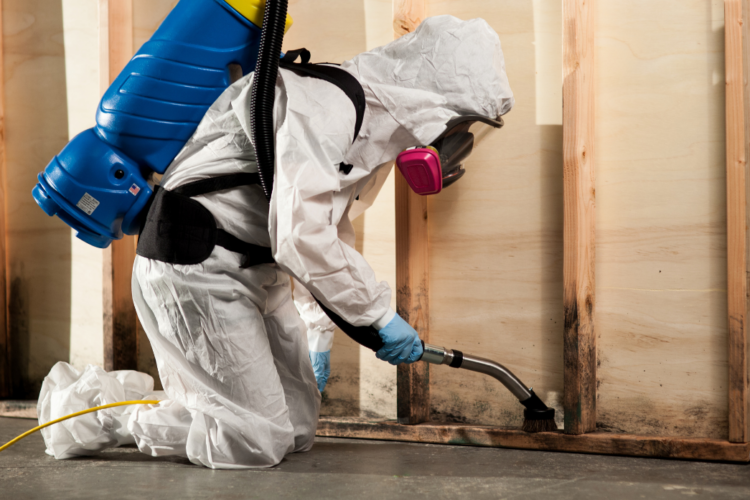
Working with professional water damage repair services can help identify the source and limit further damage. A clear assessment provides direction on what steps to take next. Acting early can help reduce disruption.
How We Identify Hidden Water Damage in Walls
At 1-800 WATER DAMAGE, we take a careful approach to identifying hidden moisture. Our team uses specialized tools to detect water behind walls without unnecessary disruption.
Moisture meters and thermal imaging allow us to locate areas that are not visible. These tools provide a clearer picture of how far the water has spread. With this information, we can plan the next steps.
Our water and flood damage repair process focuses on both visible and hidden damage. We assess the situation and develop a repair plan based on what we find. This helps guide the process in a clear and structured way.
What to Do If You Notice Signs of Water Damage in Walls
If you notice any of these signs, the first step is to identify the source of the moisture. This may involve checking nearby plumbing or areas where water could enter. Stopping the source can help limit further spreading.
Next, try to keep the affected area as dry as possible. Improving airflow can help reduce moisture levels in the short term. It is important not to ignore the issue, even if it seems small.
Reaching out to a professional team can provide clarity on what is happening behind the wall. A professional evaluation helps determine the next steps. Taking action early can make the situation more manageable.

Preventing Water Damage in Walls
Routine checks can help catch small issues before they grow. Inspecting plumbing and watching for early signs of moisture can make a difference. These steps help reduce the risk of hidden damage.
Ventilation also plays an important role. Areas like bathrooms and kitchens benefit from proper airflow. Managing indoor moisture levels can help protect your walls over time.
Staying aware of changes in your home is key. Small signs often appear before larger problems develop.
When It’s Time to Call a Professional
Some signs of water damage point to deeper issues. Soft drywall, spreading stains, or persistent odors can indicate hidden moisture. In these cases, a professional evaluation can help clarify the situation.
Hidden water can be difficult to detect without the right tools. What appears minor on the surface may extend further behind the wall. A thorough inspection helps reveal the full extent.
Working with a professional team guides you through the repair process. This approach helps keep the situation organized and manageable. It also reduces uncertainty during a stressful time. You can contact our team for water damage repair any time you are ready to take the next step.
Get Help from 1-800 WATER DAMAGE
Water damage inside walls can progress quickly when it is left unaddressed. Taking action early can help limit how far the problem spreads and how involved the repairs become.
At 1-800 WATER DAMAGE, we are available 24/7 to respond when you need assistance. We focus on clear assessments, thoughtful planning, and practical repair solutions that help restore your property to its pre-loss condition. Enter your ZIP code to connect with a local team and get the help you need.