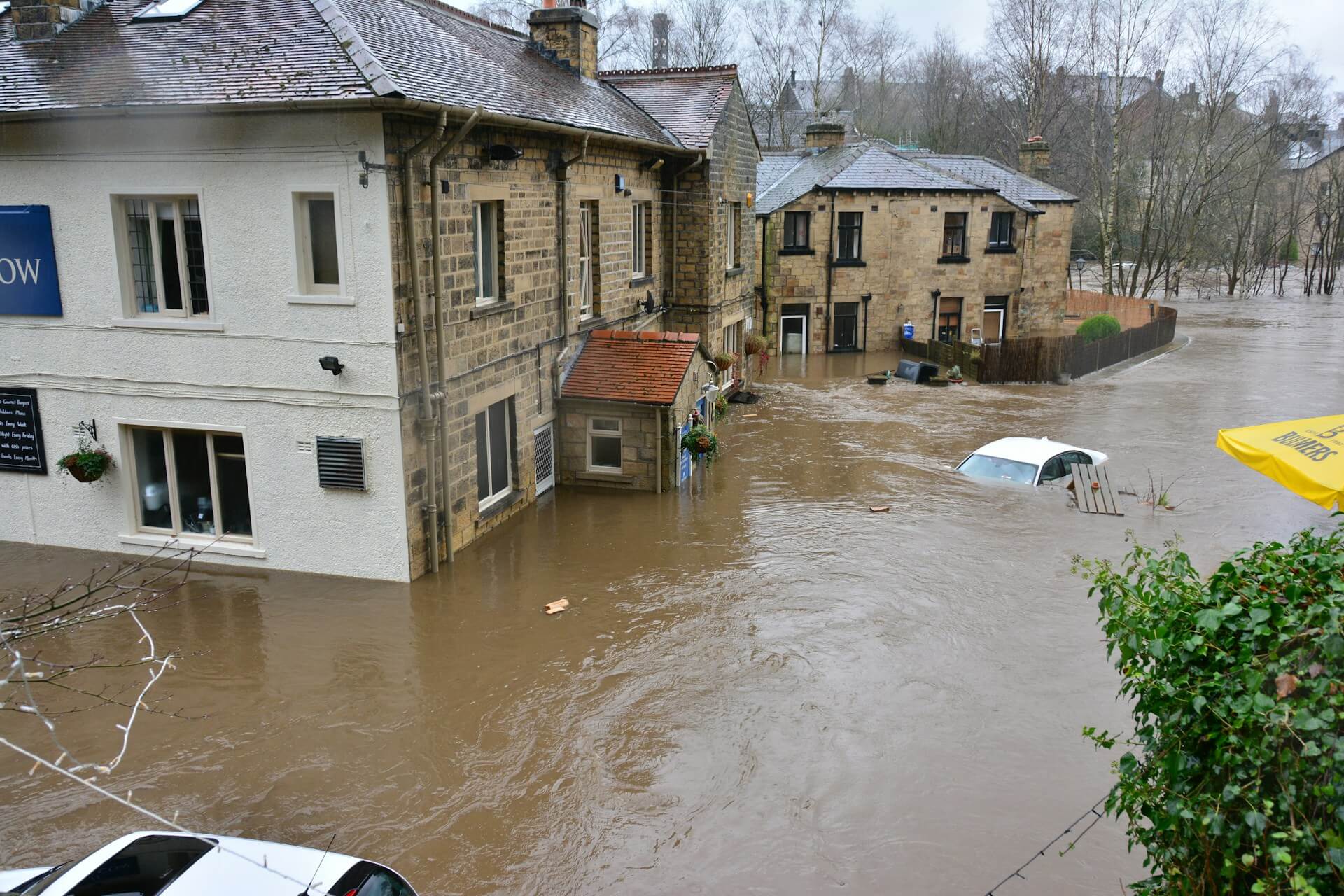
Flooding affects much more than the surface you can see. Water can move into flooring, drywall, cabinets, insulation, and other building materials, leaving you with several areas to check after the water recedes. Knowing the damage flooding can cause can help you understand what needs attention first.
The source and amount of water, the length of exposure, and the materials in your property all affect the extent of the damage. Some problems are easy to spot, such as warped flooring or stained drywall, but moisture can also collect in less visible spaces. A careful assessment can help identify damage that might otherwise be missed.
This guide explains the most common types of flood damage, what to do after flooding, and why professional help can be useful during cleanup and repair. We will also cover common questions about walls, floors, electrical systems, mold, and the timing of flood repair.
What Damage Does Flooding Cause?
Flooding can damage structural materials, walls, flooring, electrical components, furniture, appliances, and personal belongings. Water may soak into porous materials and spread beyond the area where standing water is visible. The longer moisture is present, the more extensive the repair needs can become.
Drywall can soften, stain, swell, or break down after absorbing water. Wood materials may warp, and flooring can loosen, buckle, or separate from the surface below it. Cabinets, trim, and other finishes can also absorb water along their lower sections.
Water can also reach wall cavities, subfloors, insulation, and spaces under cabinets. These areas may retain moisture after visible water has been removed, making the true extent of the damage harder to judge. A professional assessment can help determine how far the water traveled and which materials need drying, cleaning, repair, or removal.
Common Types of Flood Damage
Flood damage can affect several parts of a property at the same time. The exact pattern depends on where the water entered, how high it rose, and how long materials were exposed. Understanding what damage a flood can cause can also help you recognize problems that may need closer inspection.
Damage to Walls and Building Materials
Walls often show early signs of flood exposure because drywall and other porous materials absorb water quickly. You may notice staining, peeling paint, swelling, soft spots, or changes near the base of the wall.
Insulation, framing, trim, and other materials inside or around a wall can also become wet. Moisture may travel upward or sideways through porous materials, so visible staining does not always indicate the full extent of the affected area. Our flood damage restoration tips for what to do after a flood explain why the source of the water and the full extent of the damage both matter.
Flooring and Subfloor Damage
Floodwater can affect wood, laminate, tile systems, and other finished surfaces. Wood and laminate may swell, cup, separate, or lose their shape after absorbing moisture.
Water can also move through seams and edges into the subfloor, where damage may be harder to see. Moisture beneath a finished surface can continue to affect materials even after the top layer feels dry. Drying equipment and moisture readings can help determine whether water is still present below the floor.
Electrical Systems and Appliances
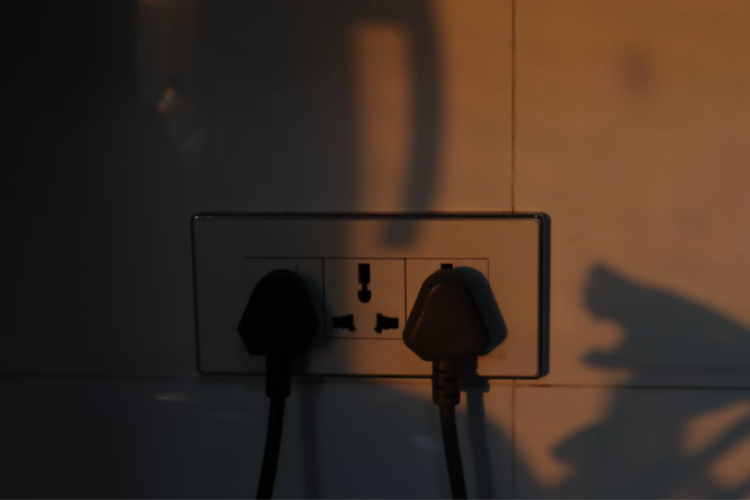
Flooding can affect outlets, wiring, electrical panels, and appliances that come into contact with water. Do not enter a flooded area if there may be an active electrical hazard.
Appliances can also be affected when water reaches motors, controls, cords, or internal components. Water exposure may not leave obvious damage on the outside, so do not assume an appliance is ready to use just because the exterior looks dry.
Furniture and Personal Belongings
Furniture, documents, boxes, clothing, and other belongings can absorb floodwater or moisture from the surrounding area. Porous items may stain, swell, lose their shape, or develop odors after extended exposure.
If conditions allow, move valuable items away from the affected area and, when practical, take photos of the damage first. Keeping wet belongings away from unaffected materials can also help limit the spread of moisture. Professional teams can help identify what can be moved, dried, cleaned, or set aside during repairs.
Mold and Hidden Moisture
Mold can develop when building materials stay damp, which is one reason thorough drying matters after a flood. Moisture can collect in wall cavities, beneath flooring, around baseboards, and in other enclosed areas where it may not be obvious during a visual inspection.
Mold remediation may be needed when mold is found during the repair process. The focus is on identifying affected materials, controlling the work area, and addressing moisture conditions associated with the problem.
What Should You Do After a Flood?
Your first step after a flood is to avoid areas that may be hazardous. Do not walk through standing water when electrical systems, contaminated water, unstable materials, or other hazards may be present. If the flood resulted from a plumbing problem, the source should be stopped by the appropriate professional before property repairs begin.
Once conditions allow, document any visible damage with photos and note which rooms or materials are affected. Check surrounding rooms for staining, damp baseboards, changes in flooring, or other signs that water traveled farther than expected. Avoid moving wet materials more than necessary until you understand the area’s condition and any insurance documentation you may need.
Contacting a professional flood repair company can help you move from visible cleanup to a full assessment. At 1-800 WATER DAMAGE, we can assess affected areas, remove standing water, dry the property, and address repair needs. Our professional flood damage repair and restoration services are available to homes and businesses affected by flood-related water damage.
Why Professional Flood Damage Repair Matters
Flood repair is not only about removing the water you can see. Moisture can spread into materials that look dry on the surface, so professional equipment can help locate moisture, remove water, move air through affected areas, and reduce excess humidity.
A professional assessment can help separate materials that can be dried from materials that may need removal or repair. The process can include water extraction, drying, dehumidification, repairs, and mold remediation when conditions call for it. Monitoring moisture levels during drying can also help technicians track progress and determine when affected materials need further attention.
We approach each flood based on the property, the water source, and the extent of damage. Our technicians can explain the recommended work and steps before repair moves forward, giving you a clearer understanding of the repair process. You can find a 1-800 WATER DAMAGE location near you by entering your ZIP code.
Get Help With Flood Damage From 1-800 WATER DAMAGE
Flooding can leave you with questions about what is wet, what can be saved, and what needs repair. A professional inspection can give you a clearer picture of the affected areas and the work that may be needed.
1-800 WATER DAMAGE provides 24/7 emergency response for flood and water damage. Our team can assess affected materials, remove standing water, begin drying, and develop a repair plan based on the conditions found at your property.
If flooding has affected your home or business, getting help early can reduce the amount of time water sits in building materials. Request 24/7 flood damage repair service from 1-800 WATER DAMAGE to connect with a local team and discuss the next steps.