Wildfire damage claims can feel confusing at a time when you already have a lot to manage. You may be trying to understand what insurance covers, what to document, which costs to track, and how to start repairs without hurting your claim.
The best first step is to report the damage promptly, document everything, save receipts, and wait for clear guidance before discarding damaged items. A careful claims process can help you stay organized, reduce delays, and provide your insurance company with the information it needs to review the loss.
This guide explains how wildfire damage claims typically work, what insurance may cover, what mistakes to avoid, and how professional repair support can help with fire-, smoke-, soot-, and water-related damage.
What Is a Wildfire Damage Claim?
A wildfire damage claim is a request to your insurance company for assistance with covered property damage caused by a wildfire. The claim may involve damage from flames, smoke, soot, firefighting water, debris, or several related issues at once.
The process usually begins when you contact your insurance company and report the loss. Your insurer may assign an adjuster, request photos, ask for a list of damaged items, and review estimates before making a coverage decision.
Your policy controls what is covered. For that reason, it is wise to read your policy, ask about deductibles and limits, and keep every claim document in one place from the start.
What Should You Do First After Wildfire Damage?
You should contact your insurance company, take photos and videos, save receipts, and avoid major cleanup before the damage is documented. These steps create a stronger record of what happened and what may need repair.
Only return to the property when local authorities allow it. Once you can access the property, focus on documentation and communication before making major decisions.
Contact Your Insurance Company Early
Call your insurer as soon as possible and ask how to begin the claim. Ask what documents they need, how to submit photos, and what deadlines apply.
Write down your claim number and adjuster’s contact information. You can open the claim before all the details are ready, then add photos, receipts, inventories, and estimates as you gather them.
Document the Damage Before Cleanup
Take wide photos of each affected room and close-up photos of damaged materials, belongings, smoke residue, soot, water damage, and debris. Video can also help show the property’s full condition.
Do not throw away damaged items until your insurance company tells you what you can remove. If removal is necessary, take photos first and write down what was removed and why.
Save Receipts for Emergency Costs
Keep receipts for lodging, meals, temporary supplies, emergency work, and other costs connected to the wildfire. Your policy may include assistance with certain additional living costs if you cannot stay at the property.
Put receipts in one folder or digital file. Add brief notes explaining each expense so your adjuster can understand why it was necessary.
What Does Insurance Usually Cover After a Wildfire?
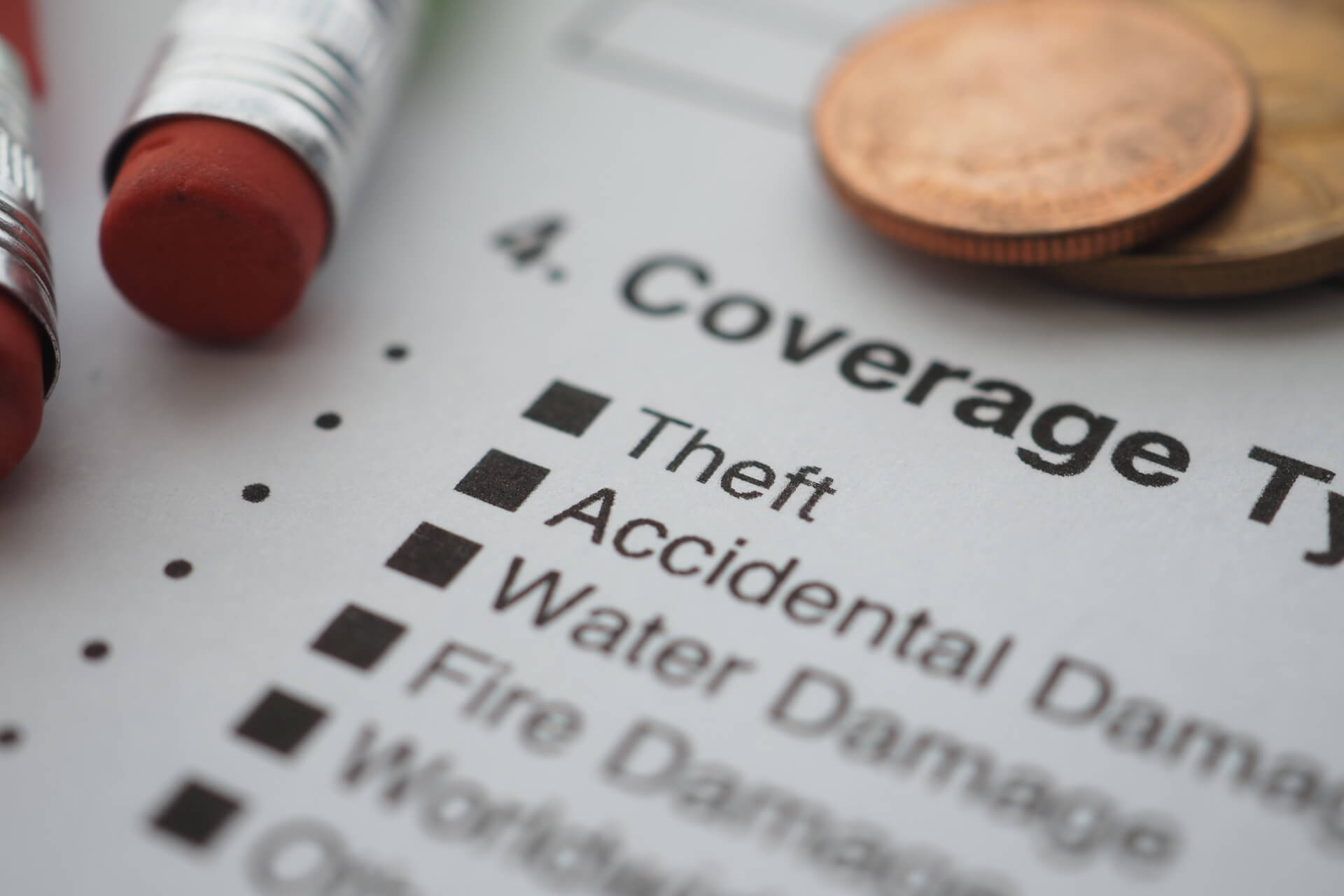
Insurance may cover building damage, personal belongings, smoke damage cleanup, soot damage, debris removal, temporary living costs, and related repair work. The exact coverage depends on your policy, deductible, limits, and the insurance company’s review. Many wildfire losses involve multiple types of damage at once, so it helps to understand each coverage area before the claim proceeds.
Building Damage
Building coverage may apply to damaged roofing, siding, windows, doors, walls, ceilings, cabinets, and attached structures. It may also apply to certain systems or materials affected by the fire.
Water damage repair may also be needed after firefighting activity. If water entered the property, it should be assessed quickly so the repair plan can address moisture, along with fire and smoke damage.
Smoke and Soot Damage
Smoke and soot can affect areas that flames never reached. Walls, ceilings, surfaces, belongings, and HVAC components may need professional attention.
If your property needs support after a wildfire, 1-800 WATER DAMAGE provides wildfire damage restoration services for fire, smoke, and soot damage based on the conditions found during the assessment.
Personal Property and Temporary Living Costs
Personal property coverage may apply to clothing, furniture, electronics, appliances, tools, and other belongings affected by the wildfire. Your policy may pay based on actual cash value or replacement cost.
Temporary living-cost coverage may apply if you cannot stay at the property during repairs. Ask your adjuster how to record these costs so receipts and expense records are easier to review.
What Mistakes Can Delay a Wildfire Damage Claim?
The most common mistakes are waiting too long to report damage, cleaning before documentation, throwing items away too soon, and failing to review the repair scope. These issues can make it harder for your insurer to fully assess the loss. A clear record, steady communication, and careful review can help the claim process move with less confusion.
Waiting Too Long to Report the Damage
Late reporting can create problems if your policy has deadlines or if damage changes over time. Early reporting gives your insurer a clear starting point and gives you guidance on what to do next.
If you are still gathering photos or receipts, open the claim anyway. You can add more information as it becomes available.
Cleaning or Repairing Too Soon
Cleaning too soon can remove evidence that helps show the extent of damage. Major repair work should not begin before photos, videos, and insurer guidance are in place.
Some temporary work may be needed to reduce further property damage. If that happens, document the condition before and after the work and save all receipts.
Not Reviewing the Repair Scope
Review the insurance scope carefully and compare it with the damage you documented. If an affected area appears to be missing, ask how to submit additional information.
A repair professional can help document visible damage and explain the work that may be needed. This does not replace the insurance company’s decision, but it can support a more complete review.
How Can Repair Professionals Help With the Claim Process?
Repair professionals can assess the damage, document visible conditions, prepare a repair plan, and coordinate with insurance contacts when needed. This can make the practical side of the claim easier to manage. The right support can also help connect the repair plan to the fire, smoke, soot, and water-related damage found at the property.
Damage Assessment and Documentation
A repair team can inspect fire, smoke, soot, debris, and water-related damage. This helps identify what needs attention before work begins.
Wildfire damage can spread beyond the burned space through smoke, soot, and water. A professional assessment helps connect the repair plan to the actual conditions on site.
Coordination With Insurance Professionals
Repair teams often communicate with adjusters, agents, property managers, and other insurance contacts during the claim process. This can help align the repair plan with the claim review.
For insurance teams supporting policyholders after wildfires, 1-800 WATER DAMAGE offers wildfire repair support for insurance professionals across many service areas.
Repair Work After the Scope Is Clear
Once the damage has been reviewed and the scope of repair is understood, work can begin. This may include debris removal, smoke damage cleanup, water damage repair, structural drying as needed, and fire damage restoration.
Each job is different, so the plan should match the property and the type of damage found during the assessment. Our teams are available for 24/7 emergency response because wildfire damage can quickly affect property.
Get Help With Wildfire Damage Repair and Claims
A wildfire damage claim is easier to manage when you act early, document the damage, understand your policy, and get professional repair support before cleanup goes too far. Your insurance company makes coverage decisions, but strong records and a clear repair plan can help reduce confusion.
1-800 WATER DAMAGE helps with fire damage restoration, smoke damage cleanup, water damage repair, sewage cleanup, mold remediation when needed, and 24/7 emergency response. We can assess the damage, explain the repair process, and coordinate with your insurance contacts during the job.
If you need help after a wildfire, request service for wildfire damage repair in your area and enter your ZIP code to find a location near you.