After a wildfire, it is normal to feel overwhelmed by what comes next. You may be dealing with ash, smoke stains, damaged belongings, water from firefighting efforts, and questions from your insurance company. You may also be wondering when the property can be used again and what needs to happen first.
Wildfire damage restoration can take anywhere from a few days to several months. The timeline depends on the extent of fire, smoke, soot, water, and structural damage at the property. Light smoke cleanup may take less than a week, but serious damage can take weeks or longer.
There is hope in having a clear process. Once the property is accessible, a professional team can assess the damage, develop a cleanup plan, and guide the work one step at a time. This article explains what affects the timeline, what the repair process usually includes, and when to call for help.
How Long Does Wildfire Damage Repair Usually Take?
The timeline depends on the extent of the damage. Some properties need only a few days of cleanup, while others need several weeks or months of repair.
Minor Smoke and Soot Damage
Minor damage may involve smoke residue, light soot, ash, odor, and surface-level cleanup. In many cases, this type of work can take a few days to two weeks. The property’s size and the spread of smoke both affect the timeline.
Smoke can move through rooms, vents, wall openings, and storage areas. That means the cleanup may go beyond the area closest to the fire. Ash and soot may settle on walls, ceilings, fixtures, shelving, and personal items.
A careful cleanup plan helps prevent residue from spreading into areas that were less affected. It also gives the team time to check materials, clean reachable surfaces, and address odors that may stay after visible ash is removed.
Moderate Wildfire Damage
Moderate wildfire damage repair may take two to six weeks. This timeline may apply when there is smoke damage, soot buildup, damaged drywall, affected flooring, odor, water damage from firefighting, or minor burned materials that need removal.
The process may include debris removal, smoke damage cleanup, water damage repair, drying, odor control, and replacement of affected materials. Some stages can move quickly, while others may depend on material availability, insurance review, or the property’s condition.
A property may look manageable from the outside but still need detailed work inside. Smoke can stain surfaces, odors can settle into porous materials, and water used during firefighting can create moisture problems. These issues need to be addressed before repairs continue.
Major Wildfire Damage
Major wildfire damage can take several weeks or months to address. This may happen when a fire affects large parts of the property, including the roofing, framing, electrical systems, plumbing, insulation, or multiple rooms.
In these cases, the process may involve several professionals. A restoration team may handle cleanup and damage repair, and other licensed professionals may be needed for certain repair work. Insurance adjusters, inspectors, and local permit offices may also be part of the timeline.
The goal is to move carefully through each stage instead of rushing past damage that needs attention. Larger projects can take time. A clear process helps reduce confusion and keeps the work organized.
What Affects the Wildfire Damage Repair Timeline?
Several factors can change the timeline. The amount of damage, the materials affected, and the presence of smoke, soot, odor, or water all matter. Insurance communication and repair coordination can also add time.
The Size and Severity of the Damage
A small affected area is usually faster to clean and repair than a property with damage across several rooms or floors. The more materials that need to be cleaned, removed, dried, or replaced, the longer the project may take.
Severity also matters because light smoke residue is different from heavy soot, burned materials, or fire-damaged structural components. Attics, crawl spaces, basements, garages, and storage areas may also need extra attention if smoke odor or residue has reached them.
Smoke, Soot, Ash, and Odor
Smoke damage cleanup can take time because smoke and soot can move beyond the area touched by fire. Residue may settle on walls, ceilings, cabinets, light fixtures, appliances, and personal belongings.
Soot can spread when handled improperly, and smoke odor can linger in porous materials or hidden spaces. The team may need to clean affected surfaces, remove damaged materials, and use odor control methods as part of the repair plan.
Water Damage From Firefighting Efforts
Water used to control a wildfire or protect a property can cause additional damage. Floors, walls, ceilings, insulation, and contents may need to be checked for moisture.
Water damage repair may include extraction, drying, moisture monitoring, and removal of affected materials before other repairs begin. If moisture has affected the property for too long, mold remediation may also be needed based on the conditions found during the assessment.
What Happens During the Wildfire Damage Repair Process?
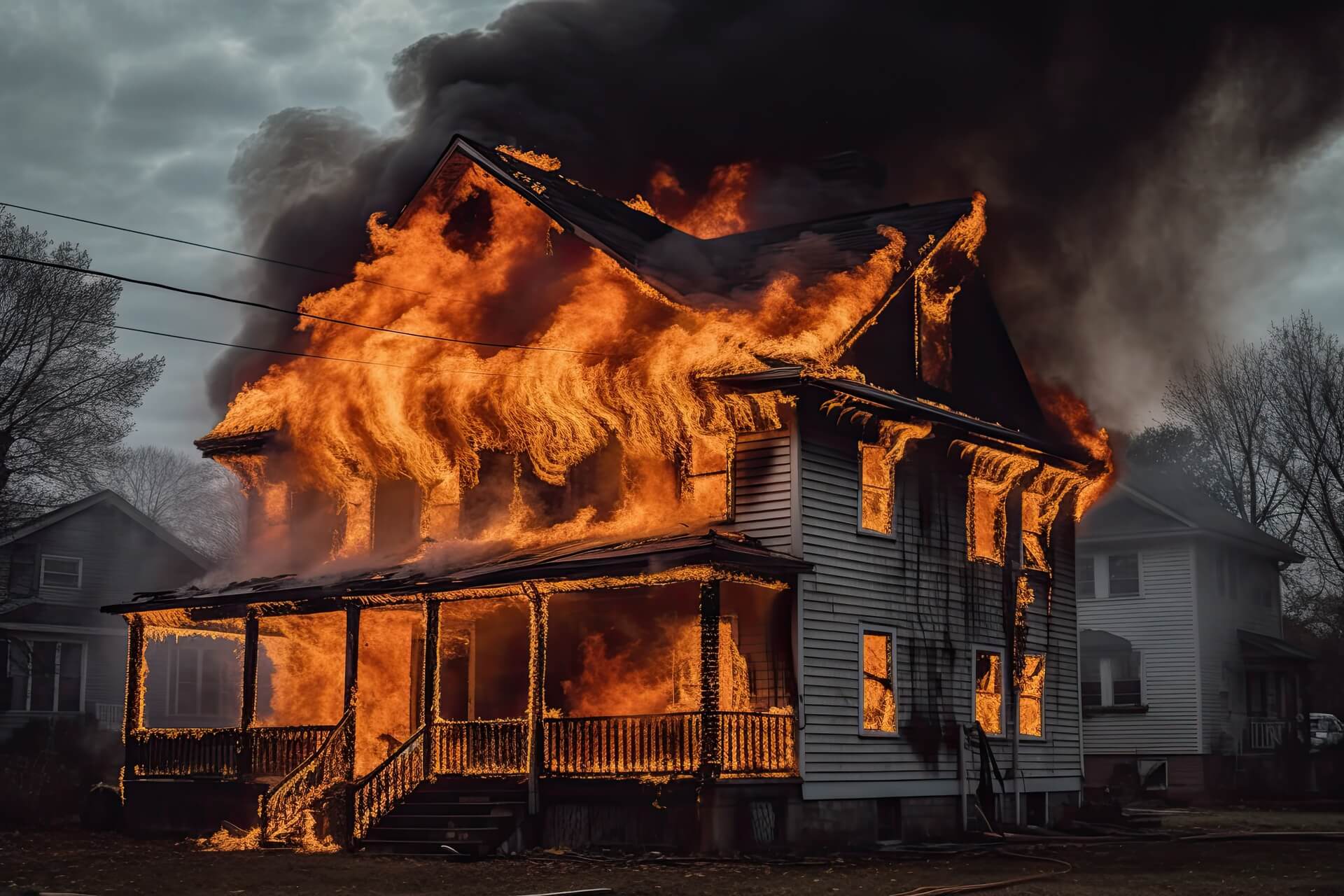
The process starts with an assessment. From there, the work may include cleanup, removal of damaged materials, smoke damage cleanup, water damage repair, odor control, and repairs. The exact order depends on the property.
Assessment and Planning
The assessment helps determine the scope of the damage. During this stage, the team looks for fire damage, smoke residue, soot, water damage, affected materials, and areas that need cleanup or removal.
This step helps create a repair plan. It also helps identify which parts of the property need immediate attention and which repairs may come later.
For help after a wildfire, our team offers professional wildfire repair services for damaged homes and businesses. We focus on cleanup, repair support, and steady communication through each stage of the process.
Debris Removal and Initial Cleanup
After the assessment, damaged debris may need to be removed. This can include burned materials, damaged drywall, flooring, insulation, contents, and other items affected by the wildfire.
Initial cleanup helps clear the way for the next stages. It may also reduce the amount of soot, ash, and damaged material inside the property.
This stage can vary in length. A small job may move quickly. A larger property with more extensive damage may require more time for sorting, removal, documentation, and coordination.
Smoke Damage Cleanup and Odor Control
Smoke damage cleanup may include cleaning affected surfaces, removing soot residue, addressing ash, and treating odor at the source when possible. This stage can take time because smoke can move into areas that were not burned.
Odor control may involve several steps. Some materials may need cleaning. Others may need removal if they hold too much smoke odor or damage.
This part of the process is often one of the most detailed. It can affect how closely the property approaches pre-loss conditions, so it should not be rushed.
Water Damage Repair and Drying
If water was used during firefighting, the property may need water damage repair before other repairs begin. This may include removing standing water, drying affected areas, and checking moisture levels in building materials.
Drying time depends on how much water entered the property, what materials were affected, and how long the moisture was present. Some areas may dry faster than others.
Once the property is dry enough for the next stage, repairs can continue. Skipping drying can lead to added problems with building materials, so this stage plays a key role in the overall timeline.
Repairs and Return to Pre-Loss Conditions
After cleanup and drying, the repair stage can begin. This may include replacing drywall, repairing flooring, repairing damaged trim, repainting, or coordinating larger repairs, depending on the scope of damage.
Some repairs are simple. Others may require special materials, inspections, or trade professionals. This is one reason the final timeline can vary.
Our goal is to guide the process with clear communication. We help you understand what is happening, what comes next, and what may affect the schedule.
When Should You Call a Professional?
You should call a professional once the property has been cleared for access and you see or smell signs of wildfire damage. This includes smoke odor, soot, ash, water damage, burned materials, or damage to walls, ceilings, floors, roofing, or contents.
A professional assessment can help you understand what is visible and what may be hidden. Smoke can travel into rooms that did not burn. Water can affect materials behind walls, under flooring, or inside ceilings.
Calling a professional also helps create a clear starting point for cleanup, insurance documentation, and repair planning. You can learn more about how professional wildfire restoration services can help with cleanup and recovery if you are unsure what type of support you need.
Get Help With Wildfire Damage Repair From 1-800 WATER DAMAGE
Wildfire damage repair can take days, weeks, or longer, depending on the property. The timeline depends on fire damage, smoke and soot, water damage, odors, repairs, insurance coordination, and the condition of affected materials.
You do not have to manage the process alone. We can inspect the property, explain the next steps, document the damage, and help move the cleanup and repair process forward with care.
If you need help after a wildfire, request service from 1-800 WATER DAMAGE and enter your ZIP code to find a location near you. We offer 24/7 emergency response for urgent property damage and are ready to help restore property and peace of mind.