When it comes to protecting your building, it’s important to remember that ongoing maintenance and thoughtful care are crucial. Preventive maintenance is a must to help your structure hold up in the face of the elements. It is also necessary to help minimize damage that could be caused by unexpected events, such as a leak, burst pipe, or severe storm. At 1-800 WATER DAMAGE, we’re here to help educate property owners, facility managers, and contractors on some necessary preventive maintenance steps to take. When you know more about water damage prevention, you can work to limit disruptions to your business and help minimize costly restoration work should an unexpected water event occur.
Why Preventive Maintenance Matters For Water Damage
Whether you currently oversee a commercial building or you manage multiple residential units, you’ll want to be sure you’re staying on top of preventive maintenance tasks. Doing so can make a big difference in strengthening the defenses of your building and promoting resilience against moisture intrusion.
You might think of water damage as something that happens all of a sudden. Of course, this is the case with emergency situations such as burst pipes, appliance failures, and severe weather events. However, some of the most costly water losses actually start out as small issues that go unnoticed or ignored over time. Take, for example, a minor leak behind a wall, a clog in a drainage line, or a weakened seal that lets moisture accumulate.
Through preventive maintenance, you can pinpoint these vulnerabilities, hopefully before they become larger issues. Incorporating ongoing inspections into your routine and being proactive about repairs will allow you to nip minor issues in the bud and avoid the need for more invasive repairs and restoration work. This approach can also help enable you to plan repairs on a convenient schedule rather than having to drop everything to deal with an emergency.
Key Areas to Check as Part of Water Damage Preventive Maintenance
While every building is different, the sources of water damage tend to come from a few specific areas. Creating a routine water damage prevention maintenance plan that covers these checkpoints can reduce your risk of encountering water-related damage over time:
1. Plumbing
Pipes weaken with age and are exposed to extreme temperature changes or corrosive elements. Regularly inspecting all visible pipes, supply lines, and valves will enable you to catch the warning signs of moisture intrusion early on. Remember that even the smallest leaks can lead to major damage if left unaddressed.
2. Roof and Gutters
Clogs and blockages in gutter troughs and downspouts can result in pooling water that infiltrates roofing materials and even the foundation of your building. Through regular cleaning and maintenance, you can help keep water flowing freely through your gutter system, promoting proper drainage even during heavy downpours.
3. HVAC Systems and Appliances
The various components of your HVAC system need to be investigated to ensure they’re functioning as intended, without any moisture build-up. For example, clogged condensate lines and overflowing drip pans can become a risk. Don’t forget to also check appliances such as dishwashers, washing machines, and refrigerators for evidence of leaks.
Partner With Water Damage Prevention Professionals
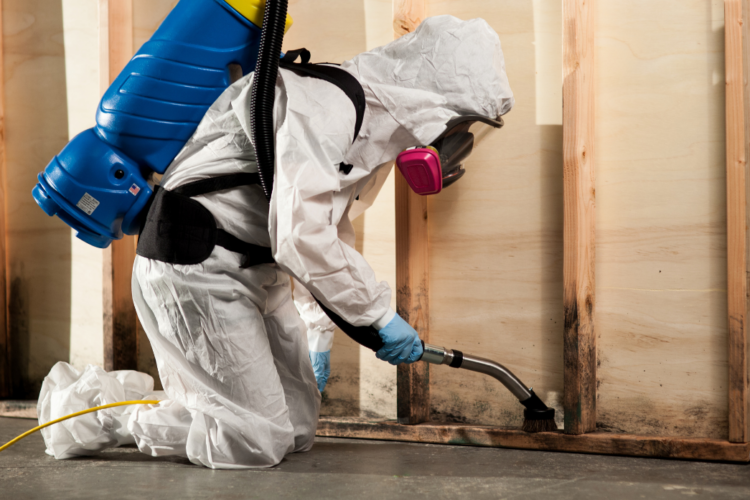
If you find evidence of moisture intrusion during your preventive maintenance routine, be sure to partner with water damage prevention professionals. At 1-800 WATER DAMAGE, we have a team of highly skilled technicians ready to support you in your water damage prevention and mitigation efforts. With our professional water extraction equipment, thermal imaging technology, and professional-grade LGR dehumidifiers, we can both identify early signs of water intrusion and mitigate any issues that are revealed during this process.
Get in touch with us today to learn more about partnering with our water damage prevention professionals! Call 1-800 WATER DAMAGE for expert guidance and responsive service.