Septic Tank Pump Failure: What To Do
Request A Quote Or Service Today
A malfunctioning septic pump can quickly turn into a serious household emergency.
Sewage backing up into your drains, unusual gurgling sounds, or soggy patches in your drain field are all signs that something has gone wrong with your pump that needs to be addressed right away.
Below, we’ll cover the most common causes of septic pump failure, from electrical issues and mechanical wear to clogs and poor maintenance. We’ll also walk you through exactly what to do when your pump stops working, including emergency measures, troubleshooting steps, and when to call a professional.
What Are the Common Causes of Septic Tank Pump Failure?
Septic tank pump failures rarely occur for a single reason. Most problems trace back to electrical issues, mechanical wear, blockages, or system overload. Recognizing these common causes early helps you spot potential risks before they lead to expensive repairs:
Power Supply Issues
Your septic pump depends on a steady electrical supply to function.
Power outages stop the pump completely, allowing wastewater to build up in the tank. Tripped breakers or blown fuses can cut power to the pump without any obvious signs, leaving you unaware until symptoms appear.
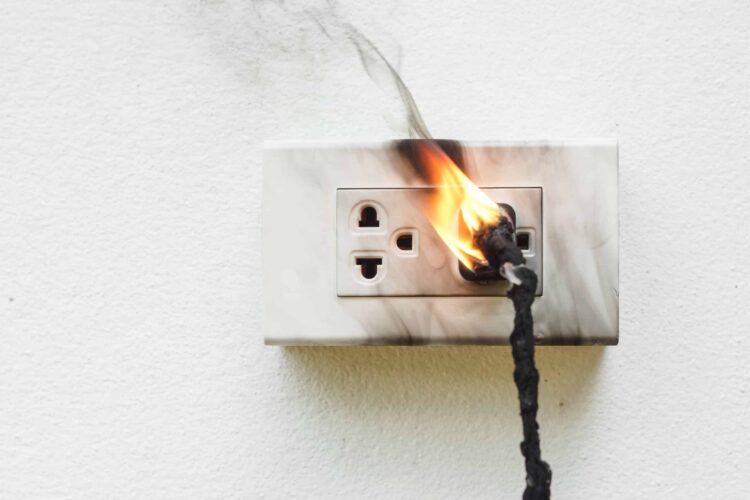
Beyond simple outages, faulty wiring poses a more serious threat. Damaged connections, corroded terminals, or control panel failures prevent the pump from receiving consistent power.
Moisture exposure can degrade electrical components over time, especially in outdoor installations. These issues typically require a licensed electrician or septic professional to diagnose and repair safely.
Pump Wear and Age
Septic pumps have a finite lifespan, typically ranging from 10 to 15 years, depending on usage and maintenance. Internal components like impellers, seals, and bearings gradually wear down with each cycle. As the pump ages, efficiency drops and the risk of sudden failure increases.
Neglected maintenance accelerates this wear dramatically. Pumps forced to work harder due to clogs, excessive water use, or improper system sizing burn out faster than well-maintained units.
Clogs and Blockages
Solid materials entering the pump chamber are a leading cause of pump failure. When foreign objects or excessive solids reach the pump, they can jam the impeller, damage seals, or bind internal components. Grease accumulation creates sticky blockages that restrict movement and put strain on the motor.
Important Note: What you flush matters more than many people realize. So-called “flushable” wipes don’t break down like toilet paper and often cause severe clogs.
Paper towels, feminine hygiene products, dental floss, cotton swabs, and cooking grease should never enter your septic system. Even excessive amounts of food waste from a garbage disposal can overwhelm the system and lead to pump problems, so keep an eye out for this issue as well.
Float Switch Malfunctions
Float switches serve as the brain of your pump system, controlling pump operation based on chamber water level. When a float becomes stuck in one position, tangled on debris, or physically damaged, the entire pump cycle fails.
A stuck float can cause two serious problems. If it remains in the “down” position, the pump does not activate, and wastewater backs up. If it sticks in the “up” position, the pump runs continuously, which can burn out the motor and waste electricity. Improper float calibration can cause similar issues, with the pump cycling at incorrect water levels or failing to cycle at all.
Overloading the Septic System
Excessive water volume overwhelms even healthy pumps. When too much water enters the system in a short period, the pump struggles to keep pace. This constant operation increases wear and raises the risk of overheating or motor failure.
Common causes of system overload include running multiple loads of laundry in one day, repeatedly filling a large bathtub, or leaving water running for extended periods. External factors contribute too.
Heavy rainfall can also saturate the drain field, while groundwater intrusion through cracks or failed seals can add an unexpected volume to an already stressed system. Undersized systems face an uphill battle from the start, with pumps that simply can’t handle normal household water use.
What To Do When Your Septic Tank Pump Fails
Acting fast during pump failure limits damage and can reduce repair costs. The steps you take in the first few hours can stop a minor pump issue from becoming a major problem.
Here’s what to do:
Reduce Water Usage Immediately
The moment you think you might be dealing with pump failure, stop using water.
Every gallon entering the system adds pressure to an already stressed tank and increases the likelihood of sewage backing up into your home.
Avoid use of washing machines and dishwashers, as well as long showers and running faucets. If possible, redirect water use outside the home or postpone non-essential activities. In severe cases, you may need to limit toilet flushing or temporarily relocate while repairs are made. Reducing water flow protects your home from backups and prevents stress on the failed pump.
Check the Basics First
Before calling for emergency septic service, check a few simple things that might resolve the issue. Start at your electrical panel and look for tripped breakers. Septic pumps typically have dedicated circuits, so check any breakers labeled for the septic system, pump, or outdoor equipment.
Examine the alarm panel if your system has one. Many panels include indicator lights that show power status or specific error codes. Some control panels have a manual override or test button that can help identify electrical problems.
Look around the tank area for obvious issues like disconnected power cords or damaged conduit. However, do not open the septic tank yourself. Septic tanks contain hydrogen sulfide, methane, and other dangerous gases that can cause unconsciousness or death within seconds. Confined space entry requires specialized safety equipment and training.
Call a Licensed Septic Professional
If basic troubleshooting doesn’t resolve the problem, contact a licensed septic professional right away. DIY pump repairs often worsen the situation or create serious safety hazards.
A qualified septic technician has the tools and expertise to properly diagnose pump failures. They’ll test the pump motor, check float switch operation, inspect electrical connections, and examine the control panel for faults. The diagnosis determines whether your pump needs simple repairs, component replacement, or full pump replacement.
Acting quickly saves money in the long run. A failed pump left unaddressed can damage the drain field, contaminate groundwater, or cause sewage backups that require extensive cleanup. Emergency repairs are always more expensive than catching problems early.
When To Call 1-800 WATER DAMAGE
While septic pump repairs need a specialized septic professional, sewage backups and water damage from failed pumps are situations we handle every day.
If your septic pump failure has caused sewage to back up into your home, contaminated flooring or walls, or created standing water, we can help with the cleanup and repair process.
Our sewage cleanup services cover everything from minor backups to major contamination events. We coordinate with your insurance company to streamline the claims process and document all damage thoroughly. Our goal is to return your property to its pre-loss condition as efficiently as possible while keeping you informed every step of the way.
If you’re dealing with water or sewage damage from a septic system failure, don’t wait. Every hour counts when it comes to preventing additional damage and health hazards. Our network of trained professionals provides 24/7 emergency response across the United States.
Enter your zip code to find a 1-800 WATER DAMAGE location near you. We treat every home like our own and every customer with the respect and care they deserve during stressful situations.
Frequently Asked Questions
How long does a septic pump typically last?
Most septic pumps last between 10 and 15 years with proper maintenance.
Pumps in systems that are regularly serviced and not overloaded tend to reach the upper end of this range, while neglected systems or those subjected to heavy use may see failures closer to the 10-year mark. Factors like water quality, pump quality, and usage patterns all influence lifespan.
Can I reset my septic pump myself?
You can safely check for tripped breakers at your electrical panel and reset them if needed.
Many septic systems also have a reset button on the alarm panel or control box. However, if the pump trips repeatedly or won’t stay running after a reset, this indicates a more serious problem that requires professional diagnosis. Never attempt to open the septic tank or work on electrical components yourself.
What should I do if sewage backs up into my home?
Stop using all water immediately and evacuate the affected area. Sewage contains dangerous bacteria and pathogens that pose serious health risks.
Do not attempt to clean up sewage yourself. Contact a professional sewage cleanup company right away. We provide 24/7 emergency response for sewage backups, with trained teams who follow proper safety protocols to remove contaminated water, clean affected areas, and repair damage.
How often should I have my septic system inspected?
Most septic professionals recommend annual inspections for systems with pumps.
These yearly checks allow technicians to spot wear, verify proper operation, and catch problems before they cause failures. Your local health department may have specific requirements for your area. Systems showing signs of stress or homes with higher-than-average water use may benefit from more frequent inspections.