Commercial fires can start from electrical systems, cooking equipment, heating units, machinery, and other parts of a building that businesses use every day. Once a fire occurs, the damage can extend far beyond the area touched by flames. Smoke, soot, odors, heat, and water from firefighting efforts may affect several parts of the property.
Knowing the common causes of commercial fire damage can help you understand where a fire may have started and what areas could be affected. Knowing when you need professional help is just as valuable, since fire cleanup often involves more than removing visibly damaged materials.
This article covers common causes of commercial fires, the types of damage they can leave behind, and signs that it is time to bring in a professional restoration team.
Common Causes of Fires in Commercial Buildings
Commercial fires can start from electrical problems, cooking equipment, heating systems, machinery, and other common sources. The risk often depends on how the property is used. Here are some common causes:
1. Electrical Problems
Electrical fires can start when wiring, outlets, circuits, or equipment become damaged or overloaded. Commercial buildings often rely on large electrical systems to power lighting, computers, appliances, machinery, and other equipment.
Frayed wiring, faulty outlets, overloaded circuits, and damaged components can generate enough heat to ignite nearby materials. Older buildings may also have electrical systems that were designed for lower power demands.
Routine inspections and prompt repairs can help reduce this risk. After an electrical fire, inspect affected systems before restoring power.
2. Cooking Equipment
Cooking equipment is a common fire risk in restaurants, cafeterias, hotels, and other businesses with commercial kitchens. Grease, cooking oils, high temperatures, and open flames can all create possible ignition points.
Grease buildup around cooking surfaces and exhaust systems can allow a small fire to spread. Damaged or poorly maintained appliances can also create excessive heat.
Kitchen fires often produce heavy smoke and greasy soot that travels beyond the cooking area. Professional fire and smoke damage restoration services can address affected surfaces throughout the property, not only the area where the fire started.
3. Heating Systems
Heating equipment can cause fires when units overheat, malfunction, or sit too close to combustible materials. Furnaces, boilers, portable heaters, and other systems can create risks when maintenance issues develop.
Portable heaters can be a concern in offices, workshops, and storage areas where paper, furniture, or packaging may be nearby. Proper clearance and routine maintenance can help reduce this risk.
Inspect damaged heating equipment before returning it to service after a fire.
4. Machinery and Equipment
Commercial machinery can start fires through overheating, electrical failure, friction, or sparks. Manufacturing facilities, workshops, and warehouses may face greater exposure to these problems.
Worn components, poor lubrication, damaged electrical connections, or debris around machines can increase ignition risk.
A machinery fire may also affect nearby inventory, shelving, walls, and equipment through smoke, soot, or heat.
5. Flammable and Combustible Materials
Improperly stored flammable or combustible materials can allow a fire to start or spread quickly. Common examples include paints, solvents, fuels, chemicals, paper products, cardboard, and packaging.
Leaking containers, products kept near heat sources, or large amounts of combustible material stored together can increase the risk.
Businesses should follow applicable storage and handling requirements for the materials used on the property.
6. Smoking Materials
Improperly discarded cigarettes and other smoking materials can ignite trash, landscaping, furniture, paper, or nearby debris. Fires may begin near entrances, loading areas, break spaces, or designated smoking locations.
The risk increases when smoking materials are placed in ordinary trash containers before they are fully extinguished.
Using suitable disposal containers and keeping smoking areas away from combustible storage can help reduce this risk.
7. Work Involving Hot Tools
Welding, cutting, grinding, and soldering can produce sparks or intense heat near combustible materials. These activities are common during maintenance, construction, renovations, and equipment repairs.
Sparks can travel into wall cavities, ceiling spaces, or nearby storage areas where a fire may not be noticed right away.
Proper preparation and appropriate fire-prevention procedures are important whenever you perform work involving hot tools.
8. HVAC Problems
HVAC systems can contribute to fires through electrical failures, overheating motors, damaged parts, or buildup around equipment.
They can also carry smoke from one part of a building to another. Smoke that enters ductwork may leave soot and odors in rooms that were never exposed to flames.
A professional assessment can help identify areas affected by smoke movement after a fire.
9. Intentional Fires and Vandalism
Some commercial fires are connected to vandalism or intentional activity. Empty buildings, construction sites, storage facilities, and properties with limited access control may face greater exposure.
These fires can affect several areas or involve materials that create widespread smoke and soot.
Property owners and managers should work with the appropriate authorities if they suspect intentional activity.
When to Seek Professional Fire Damage Help
Professional help is usually needed when fire, smoke, soot, odors, or firefighting water affect areas that cannot be handled through basic surface cleaning. A restoration team can assess affected materials and develop a cleanup and repair plan.
Help becomes especially valuable when damage spreads across several areas or reaches structural materials, equipment, or ventilation systems.
Smoke and Soot Have Spread Through the Building
Smoke and soot can settle on walls, ceilings, fixtures, inventory, and equipment far from the original fire.
Using the wrong cleaning method can spread residue or push it deeper into some materials. Professional technicians can determine which cleaning methods fit each surface and residue type.
A commercial fire damage cleanup service can address soot, smoke residue, odors, and damaged materials throughout affected parts of the property.
Firefighting Water Has Affected the Property
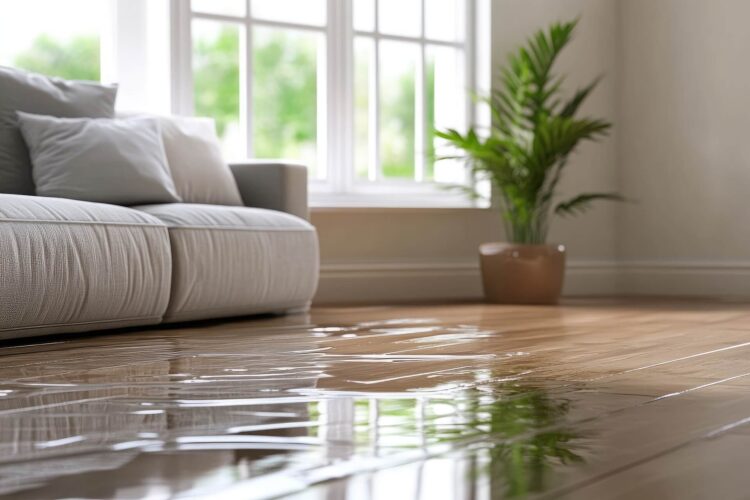
Water used by sprinkler systems or firefighters can soak drywall, flooring, ceilings, insulation, and other materials.
Address standing water and wet materials promptly. Fire repair and water removal may need to be handled together, not as separate projects.
Professional crews can identify where water has traveled and determine which materials may need drying, removal, or repair.
Structural Materials Have Been Damaged
Fire can damage walls, ceilings, floors, and other building components. Visible charring, collapsed materials, or extensive heat damage are clear reasons to call for professional assistance.
A restoration team can document affected areas and coordinate cleanup with other qualified professionals involved in the repair process.
Strong Smoke Odors Continue After Cleaning
Persistent smoke odors may mean residue has reached porous or hidden materials. Cleaning visible surfaces may not address the entire source.
Smoke can settle into drywall, ceiling materials, flooring, and other surfaces. Professional smoke damage cleanup focuses on identifying and treating affected materials, not masking the odor.
Damage Has Reached Multiple Areas
Professional help is often needed when fire damage extends through several rooms or floors. Treating only visible areas can leave smoke, soot, or moisture in less obvious locations.
A restoration team can assess the property as a whole and develop a repair plan based on the full extent of the damage.
Get Commercial Fire Damage Help From 1-800 WATER DAMAGE
Commercial fire damage can interrupt operations and create several cleanup needs at once. Burned materials, smoke residue, soot, odors, and firefighting water may all need attention before repairs can move forward.
At 1-800 WATER DAMAGE, we provide 24/7 emergency response, fire damage repair, and smoke damage cleanup. We assess affected areas, develop a plan based on your property’s condition, and guide the cleanup and repair process with care. Our work focuses on restoring affected areas to pre-loss conditions.
If your business has experienced a fire, enter your ZIP code to find a local 1-800 WATER DAMAGE fire damage restoration team near you and discuss the next steps for your property.