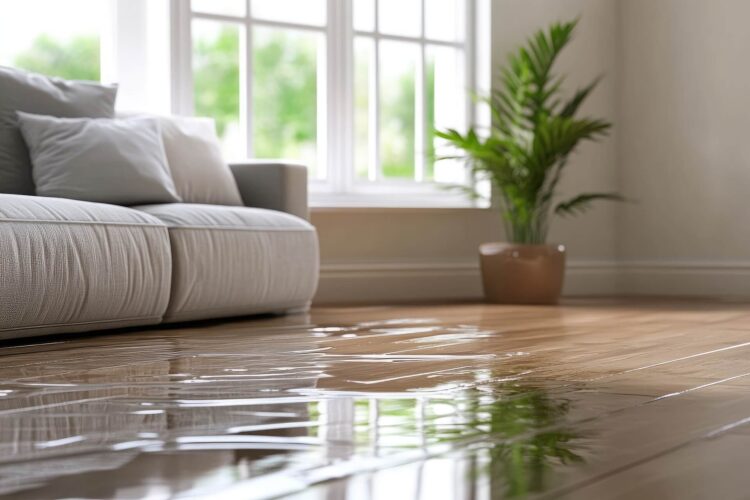
Water inside a commercial property can interrupt operations, damage building materials, and create problems beyond the source. The sooner you identify the source, the easier it is to plan the right response and limit disruption.
Some water losses happen suddenly. Others develop slowly behind walls, above ceilings, or around equipment and may not be noticed until stains, odors, or material damage appear.
This article covers 10 common causes of commercial water damage, what each problem can look like, and when you may need professional water damage repair. Knowing the likely sources can help you respond faster when something changes inside your building.
1. Plumbing Leaks and Burst Pipes
Plumbing failures are among the most common sources of water damage in commercial properties. Pipes, fittings, valves, supply lines, and connections can leak after normal wear, corrosion, freezing temperatures, accidental damage, or sudden failure.
A burst pipe can release a large amount of water quickly. Smaller leaks can be harder to detect because they may develop behind drywall, inside ceilings, or beneath fixtures. Water stains, damp materials, peeling paint, or an unexplained increase in moisture can point to a plumbing problem.
Once the water source is stopped, professional commercial water damage repair services can remove standing water, assess affected areas, dry building materials, and address repair needs based on the conditions found.
2. Roof Leaks
Roof damage can allow rainwater to enter a commercial building through cracks, damaged membranes, worn flashing, or openings around vents and other roof penetrations. Flat and low-slope roofs may face extra drainage challenges when water collects after heavy rain.
A roof leak may appear as a ceiling stain, dripping water, damp insulation, or discoloration on walls. The visible wet spot may not sit directly under the damaged section because water can travel along structural components before reaching the interior.
Repairing the roof stops the source, but wet ceilings, insulation, drywall, or other materials may still need attention. Checking both the source and the interior damage helps define the full scope of the problem.
3. Clogged Gutters and Poor Drainage
Poor drainage can direct water toward a building instead of moving it away. Blocked gutters, clogged roof drains, damaged downspouts, and debris around exterior drainage systems can all contribute to water intrusion.
During heavy rain, blocked drainage can cause water to collect on a roof, overflow near entrances, or pool against exterior walls and foundations. Over time, moisture may find a path into lower levels, wall systems, or interior spaces.
Routine inspection can help identify debris or damaged drainage components. If water has already entered the property, the affected area may need drying beyond what you can see on the surface.
4. HVAC System Problems
Commercial HVAC systems naturally produce condensation, but that moisture should drain properly through the equipment. A blocked condensate line, cracked drain pan, frozen coil, or damaged connection can cause water to leak into nearby areas.
This type of leak can be difficult to notice when HVAC equipment sits above a drop ceiling or inside a mechanical room. Signs may include stained ceiling tiles, damp flooring, dripping near vents, or moisture around the system.
An HVAC professional can address the equipment problem. If water has reached surrounding building materials, a water damage professional can assess the area and determine what drying or repair work is needed.
5. Fire Sprinkler System Problems
Fire sprinkler systems contain water lines that run throughout many commercial buildings. A damaged sprinkler head, leaking fitting, frozen pipe, or system malfunction can release water unexpectedly.
A sprinkler line failure can quickly damage ceilings, walls, inventory, furniture, electronics, and flooring. Because water may spread across a wide area, you may need to shut down the affected section of a property during cleanup.
Once the appropriate professional has addressed the sprinkler system, water removal, moisture assessment, drying, and repairs can begin.
6. Appliance and Equipment Failures
Commercial buildings often contain appliances and equipment connected to a water supply. Refrigerators, ice machines, dishwashers, washing machines, water heaters, and other systems can leak when hoses, tanks, seals, or fittings fail.
A small equipment leak may first create a wet area near the machine. A failed supply hose or tank can release enough water to reach nearby rooms, cabinets, walls, and flooring.
Regular maintenance can help identify worn parts before they fail. When water spreads beyond the immediate area around the equipment, professional assessment can help determine how much of the building has been affected.
7. Sewer and Drain Backups
Sewer and drain backups can push wastewater into a building through floor drains, sinks, toilets, or other plumbing fixtures. Blockages, damaged sewer lines, or drainage system problems may contribute to a backup.
This type of water loss requires a different cleanup approach from a leaking supply pipe. Sewage cleanup may involve removing affected materials, extracting wastewater, drying the area, and repairing damaged portions of the property.
If sewage enters your building, reducing access to the affected area can help keep the cleanup process controlled. 1-800 WATER DAMAGE provides sewage cleanup through local franchise locations.
8. Foundation Cracks and Groundwater Intrusion
Groundwater can enter a commercial building through foundation cracks, utility openings, joints, or other gaps in lower-level walls and floors. Heavy rain and poor exterior drainage can make the problem more noticeable.
You may see water near floor edges, damp walls, peeling finishes, staining, or recurring wet spots in basements and storage areas. Repeated moisture in the same location can point to an ongoing exterior drainage or foundation issue.
Water damage repair can address affected interior materials, but the source may also require foundation work, grading changes, drainage corrections, or another building-specific repair.
9. Severe Weather and Flooding
Heavy rain, hurricanes, tropical storms, snowmelt, and flash flooding can send water into commercial properties through entrances, windows, loading areas, roofs, and lower levels. Exterior drainage systems can also become overwhelmed when large amounts of water arrive quickly.
Weather-related damage may affect several parts of a building at once. Depending on where the water travels, access, inventory, employee work areas, customer spaces, and equipment can all be disrupted.
A coordinated commercial water damage repair process can help minimize business downtime by organizing assessment, water removal, drying, and repairs around the property’s conditions.
10. Hidden Leaks Behind Walls or Ceilings
Hidden leaks can cause damage for days or weeks before becoming visible. A small plumbing leak, slow roof leak, condensation problem, or loose connection may release moisture inside an enclosed area without producing an obvious puddle.
Early warning signs can include bubbling paint, soft drywall, stained ceiling tiles, warped materials, damp patches, or musty odors. These clues often indicate that water has reached an area you cannot inspect from the surface.
Professional moisture detection can help determine how far the water has traveled. After you correct the source, professionals can evaluate wet materials and develop a drying and repair plan.
When Commercial Water Damage Needs Professional Help
Professional help makes sense when water has spread beyond a small surface area, entered walls or ceilings, reached multiple rooms, affected business operations, or involved sewage. An assessment can also help when you cannot identify the source or know how far moisture has traveled.
Water can move through drywall, insulation, flooring systems, ceiling cavities, and other porous materials. Drying the visible surface may not address moisture farther inside the building.
1-800 WATER DAMAGE can assess the affected space, remove standing water, measure moisture, set up drying equipment, and repair damaged materials when needed. Clear communication throughout the process helps you understand what was found and what comes next.
Get Help With Commercial Water Damage
Water damage in a business can start with a loose connection, a leaking roof, a drainage problem, or a major storm. A practical response starts with identifying the source, stopping further water entry when possible, and assessing how far moisture has spread.
1-800 WATER DAMAGE provides 24/7 emergency response and water damage repair for commercial properties. We can help with water removal, drying, cleanup, and repair based on your property’s conditions.
If your business, facility, or managed property has water damage, enter your ZIP code to find a local 1-800 WATER DAMAGE service location near you and connect with a nearby team.