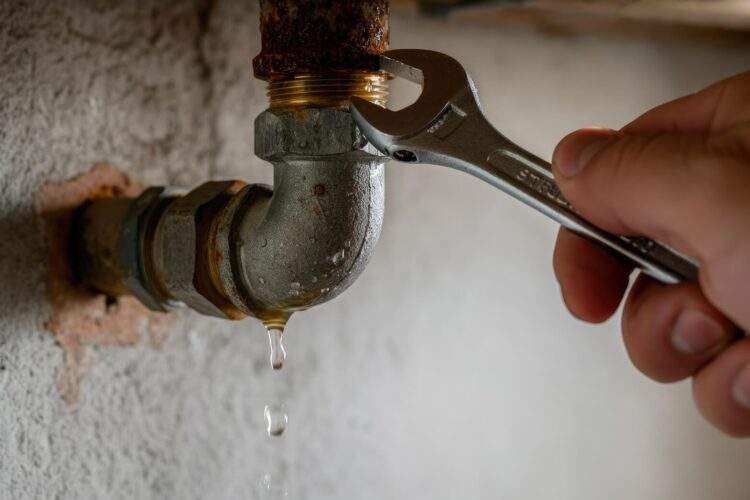
Commercial restoration claims are easier to manage when you document the damage early, notify your insurer promptly, and keep clear records throughout the repair process. A business owner needs to show what happened, what property was affected, what work was necessary, and what costs were connected to the loss.
A burst pipe, fire, sewage backup, or other damaging event can quickly interrupt normal operations. The insurance process can add more paperwork when you are already dealing with employees, customers, equipment, inventory, and the building itself.
This article covers the claim process, what to document, and how restoration professionals can support open communication with your insurer.
What Is a Business Property Restoration Claim?
A property restoration claim is a request for insurance coverage after property damage affects a business location. Depending on the policy and loss, a claim may involve emergency cleanup, damaged materials, repairs, equipment, contents, and other covered expenses.
Coverage depends on the policy, cause of damage, limits, deductibles, and exclusions. Your insurance company decides what the policy covers, so review your policy and speak with your insurer or insurance professional early.
Restoration work and the insurance claim often move forward together. 1-800 WATER DAMAGE offers commercial property damage restoration services for businesses and can provide documentation and estimates that help insurers and adjusters understand the scope of the work.
What To Do After Commercial Property Damage
Your first steps should be to protect people, limit further damage when practical, and document the loss. These actions can support both the repair process and your insurance claim.
Address Immediate Hazards
Move employees, customers, and visitors away from areas affected by fire, standing water, sewage, unstable materials, or other hazards. Contact emergency services when needed.
Once you address urgent hazards, take reasonable steps to stop the problem from spreading. That may mean calling a plumber for a broken supply line or contacting a restoration company for emergency water extraction.
Document the Damage
Take photos and videos before moving or removing damaged materials, if conditions allow. Capture wide shots of rooms and close-ups of damaged surfaces, equipment, inventory, water lines, or other visible conditions.
Write down when the damage was discovered, who found it, and what actions were taken. Keep the original files so you have a dated record of the property.
Notify Your Insurance Company
Report the loss promptly and ask what the insurer needs. The insurer may assign an adjuster, request forms or photos, and provide instructions for obtaining repair estimates.
Keep the claim number, adjuster contact information, and notes from each conversation in one place. Review your policy for deductibles, limits, exclusions, and requirements tied to emergency repairs or documentation.
What Documentation Can Support a Claim?
Clear documentation gives everyone a shared record of the damage and work performed. Keep records from when you discover the damage through the end of repairs.
Photos, Videos, and Damage Notes
Visual records can show how much of the property was affected before cleanup began. Take more photos at major stages of the project, especially when removal exposes damage not visible during the first assessment.
Label images by area and date. A description such as “north office wall, water damage, August 13” is more useful than a folder filled with unidentified photos.
Estimates, Invoices, and Restoration Records
Keep copies of estimates, work authorizations, invoices, equipment records, moisture readings when applicable, and repair documentation. These records help explain why work was recommended and what was completed.
A restoration company may also document affected materials, cleanup steps, drying activity, and repair needs. Understanding the types of commercial damage restoration services available after property damage can also help you understand which services may become part of the repair scope.
Business and Property Records
Your insurer may request records for damaged equipment, inventory, furniture, or other property. Purchase records, serial numbers, photographs, maintenance records, and prior inventory lists can help establish what was present before the loss.
If operations are interrupted, keep records connected to closures, temporary relocation, or other related costs. Whether your policy covers these expenses depends on your policy.
How Commercial Property Restoration Fits Into the Claim
Commercial property restoration creates a structured record of the damage and required work. The process usually moves from assessment to emergency cleanup, drying or debris removal, repairs, and final documentation.
Damage Assessment
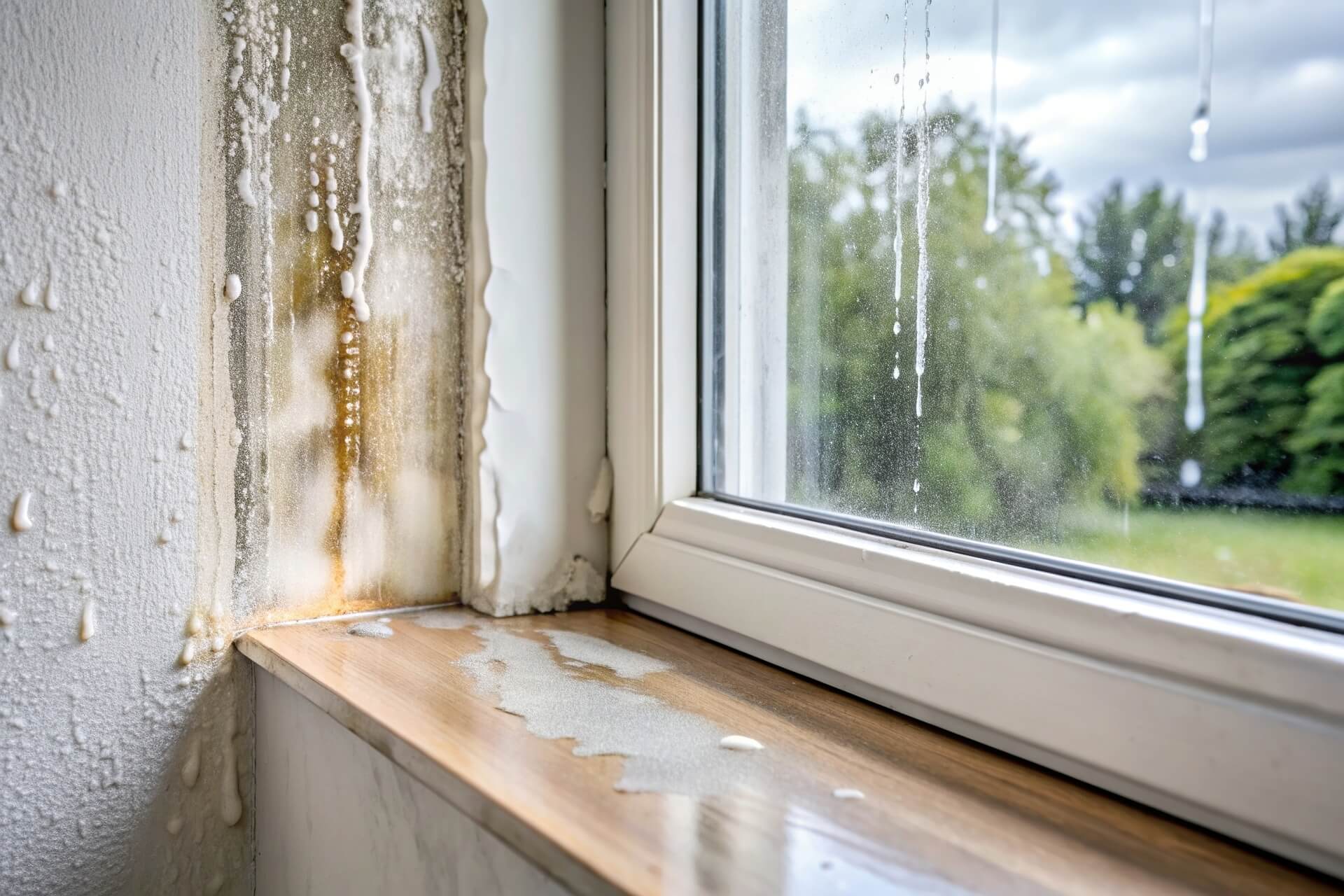
The restoration team examines affected areas and identifies visible property damage. For water damage, this may include moisture detection. For fire and smoke damage, the assessment may cover burned materials, soot, smoke residue, and water from firefighting efforts.
These findings help shape the work plan and provide a starting point for estimates and communication with the adjuster.
Emergency Cleanup
Emergency work focuses on limiting added property damage and preparing the site for repair. Depending on the event, this may include water removal and extraction, structural drying, smoke damage cleanup, sewage cleanup, or removal of materials that cannot be repaired.
The restoration company should document what was done and why. Updated records can also explain changes to the scope of work if hidden damage is discovered.
Repairs and Final Records
After cleanup and drying, the contractor can begin repair work on affected areas within the scope. The objective is to return damaged areas to pre-loss conditions based on the work performed.
Keep final invoices, completion records, updated estimates, and repair photos with the claim file. These documents create a clearer record of how the property moved from initial damage through the repair process.
Common Problems That Can Complicate a Claim
Claim issues often come from missing information, poor communication, or delays. An organized process makes it easier to answer the adjuster’s questions.
Delayed Reporting
Waiting too long to report damage can create questions about when the loss happened and whether more damage occurred afterward. Notify the insurer promptly and follow any reporting requirements listed in your policy.
Early reporting can also help you understand what the insurer expects before extensive cleanup or repairs begin.
Incomplete Documentation
Cleaning up before taking photos can leave gaps in the record. Photograph damaged materials before disposal when conditions allow, and keep invoices or removal records for anything that must be removed quickly.
Continue documenting the property as work progresses. Damage can look very different after standing water, debris, or damaged building materials have been removed.
Poor Recordkeeping
Keep estimates, emails, photos, invoices, call notes, and revisions in one folder. Use the claim number in file names or email subjects when practical.
A consistent filing system saves time when an adjuster asks for a document days or weeks after the initial loss.
Assuming Every Loss Is Covered
Property damage does not automatically mean insurance will pay every repair expense. Coverage can vary based on the cause of loss, policy language, limits, deductibles, exclusions, and endorsements.
Your restoration company can document the damage and work performed, but the insurer interprets the policy and makes coverage decisions.
Working With Your Adjuster and Restoration Team
Good communication keeps the claim and repair process aligned. Give the adjuster requested documentation, and let your restoration provider know when the insurer needs estimates, photos, measurements, or other project records.
Keep written notes when the scope of work changes. If an adjuster requests more detail about a repair item, restoration documentation can explain the affected material and why the work is needed.
1-800 WATER DAMAGE helps business owners navigate commercial restoration by documenting property damage, preparing estimates, and coordinating with insurance companies and adjusters when needed. This gives everyone involved a clearer record of the repair work.
Get Help After Commercial Property Damage
A property restoration claim is easier to manage when repair work and documentation develop together. Prompt reporting, clear photos, organized records, professional estimates, and steady communication give the insurer a clearer record to review.
We understand that property damage can interrupt your business and create many decisions at once. At 1-800 WATER DAMAGE, we provide 24/7 emergency response and repair support for water, fire, smoke, sewage, and mold-related property damage.
If your business has experienced property damage, request commercial property damage repair from 1-800 WATER DAMAGE and enter your ZIP code to find a location near you.