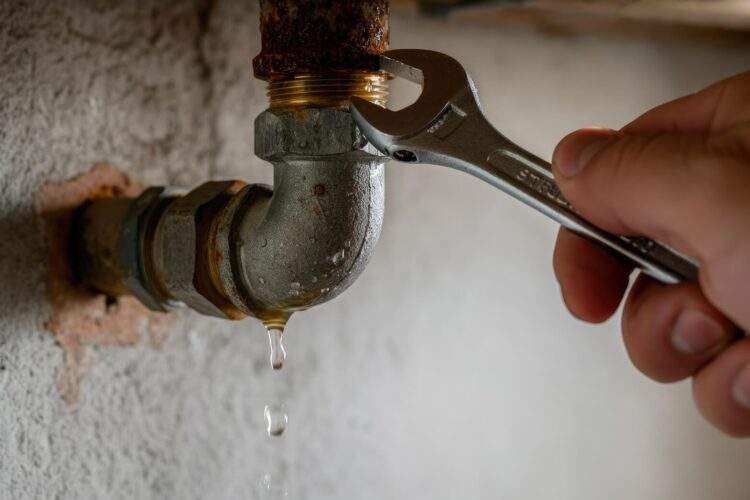
Professional water extraction helps remove standing and trapped water from a property after a leak, flood, burst pipe, or other water loss. Restoration professionals use specialized equipment to remove excess water, identify hidden moisture, and begin drying affected materials.
Water can spread beneath flooring, behind walls, and into other building materials before the full extent of the damage is visible. Removing surface water alone may not address moisture in less accessible areas.
This article explains how professional water extraction works, the equipment restoration technicians use, and when you may need professional help.
What Is Professional Water Extraction?
Professional water extraction removes excess water from a property using equipment designed for water damage cleanup. The goal is to remove standing water and as much moisture as practical before focused drying begins.
Extraction may be needed after burst pipes, appliance leaks, roof leaks, plumbing failures, storms, or other water-related incidents. The amount of water and materials affected can change how the work is approached. Water that has spread across several rooms may require a broader setup than a smaller, contained leak.
Water extraction also goes beyond what you can see on the surface. Water may travel beneath flooring or enter wall cavities before you notice visible changes. Professional assessment helps determine where moisture has spread and what equipment is appropriate.
How the Professional Water Extraction Process Works
Professional water extraction usually begins with an assessment, followed by water removal and controlled drying. Technicians use moisture readings and observations to decide how to handle each stage. The process may change as conditions improve.
Assessing the Affected Areas
The first step is identifying where the water came from and how far it traveled. Technicians inspect visible damage and may use moisture detection tools to check flooring, walls, and other building materials. They can also look for areas where water may have moved beyond the source.
The assessment helps determine the type and amount of equipment needed. A room with shallow standing water may require fewer extraction units than a basement with several inches of water. The materials involved can also affect how the drying plan is set up.
Removing Standing Water
Remove standing water before the main drying process begins. Technicians may use portable extractors, pumps, or other equipment depending on the amount and location of the water. Removing more water at this stage reduces the amount of moisture that drying equipment must manage.
1-800 WATER DAMAGE provides professional water removal and extraction services for homes and properties affected by leaks, flooding, and other water losses. We assess the conditions first and select equipment based on the space’s needs.
Drying and Monitoring Moisture
After removing excess water, technicians begin drying affected materials and managing moisture in the air. Technicians commonly place air movers and dehumidifiers throughout the area based on its size and layout. Their placement may change as materials dry.
Technicians check moisture levels during drying rather than relying only on how surfaces look. Materials can feel dry on the outside and still hold moisture beneath the surface. Ongoing readings help technicians see where drying is progressing and where it needs more attention.
Equipment Used for Professional Water Extraction
Restoration professionals use several types of equipment because no single machine handles every part of water damage repair. Some tools remove standing water, others support drying, and others locate or measure moisture. The equipment selected depends on the size of the loss and the materials involved.
Water Extraction Units
Water extraction units remove standing water and moisture from accessible areas. Portable systems can be moved between rooms, and larger systems may be used when more removal capacity is needed.
These units can remove water faster than towels, mops, or standard household equipment. Once most standing water is gone, technicians can focus on moisture held within flooring, walls, and other materials.
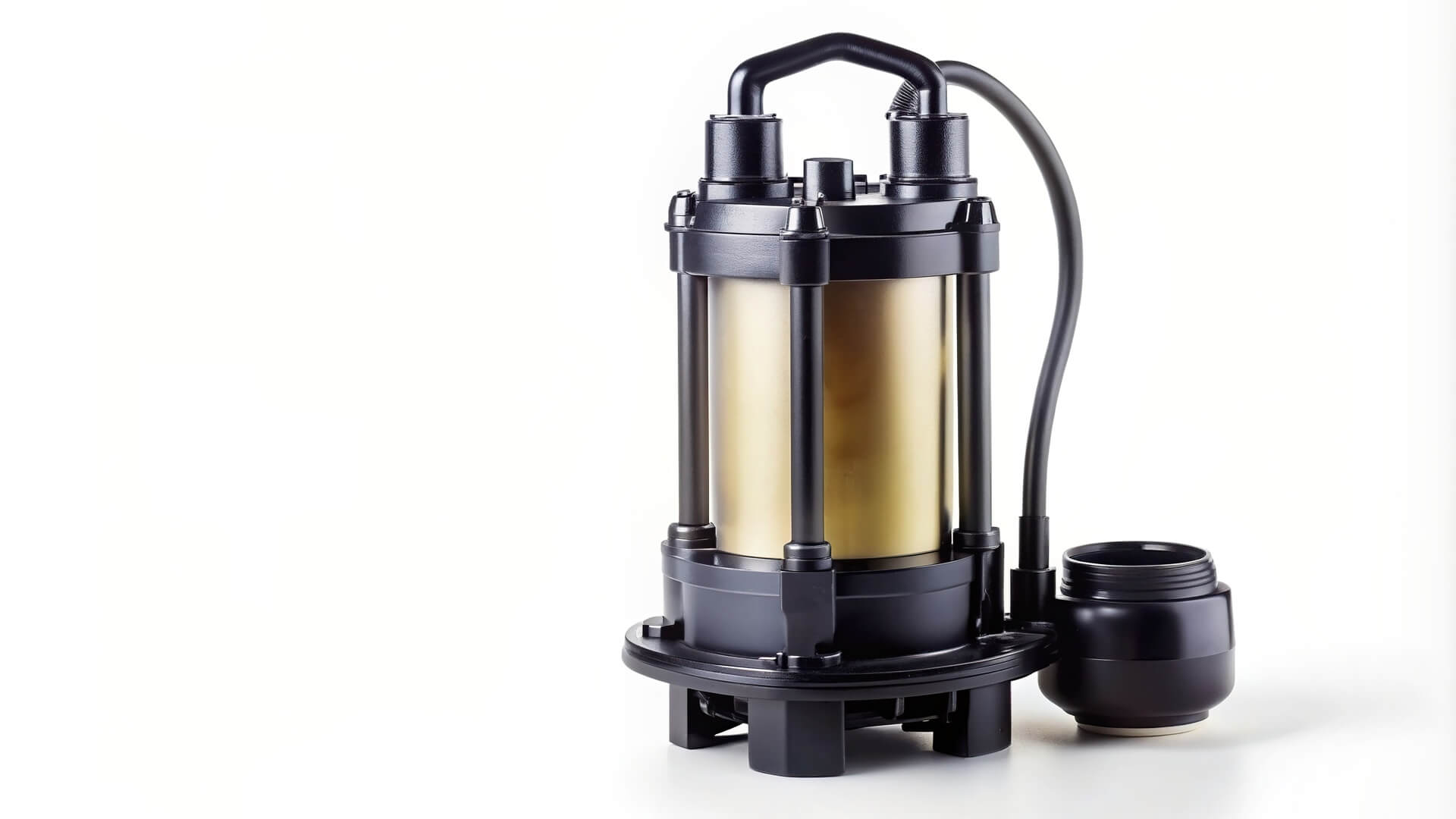
Submersible Pumps
Submersible pumps are often used when a large amount of standing water has collected in one area. The pump is placed in the water and moves it through a discharge line to an appropriate location.
Pumping addresses the larger volume first. Extraction tools can then remove smaller amounts left across the floor before drying begins. This staged approach can make large water losses easier to manage.
Air Movers
Air movers increase airflow across damp surfaces to support evaporation. Technicians position them around affected rooms based on the areas and materials that need drying.
Professional air movers are designed for restoration work and can direct airflow more effectively than typical household fans. Proper placement helps air reach wet surfaces rather than simply circulate through the room.
Dehumidifiers
Dehumidifiers remove moisture from the air as water evaporates from wet materials. This helps manage humidity during drying and supports more controlled conditions.
Air movers and dehumidifiers often work together. Air movement helps moisture leave affected materials, and dehumidifiers collect moisture from the surrounding air. Technicians may adjust the setup as readings change.
Moisture Meters and Detection Equipment
Moisture meters help technicians measure moisture within drywall, wood, flooring, and other materials. Repeated readings also help track changes during drying and show whether moisture levels are decreasing.
Detection equipment can be useful when water has moved into concealed spaces. A wall or floor may look dry on the surface but still contain moisture beneath it. Finding those areas gives technicians more information when planning the next repair steps.
Why Professional Equipment Makes a Difference
Professional equipment helps technicians address both visible water and harder-to-detect moisture. Household vacuums, fans, and towels may handle small spills, but larger water losses often call for greater extraction capacity and moisture monitoring.
The order of the equipment matters. Removing standing water first reduces the amount of moisture that needs to evaporate, allowing air movers and dehumidifiers to focus on what remains in materials and the air.
Professional equipment also works best when paired with a careful assessment. Technicians consider the water source, how far it spread, and which materials were affected before choosing a drying setup. This helps keep the process focused on the areas that need attention.
Water Extraction in Commercial Properties
Commercial water extraction follows the same basic principles as residential work, but the scale and layout can make the process more complex. Offices, retail spaces, warehouses, and other buildings may have larger areas, equipment, inventory, or multiple rooms that need attention.
Business owners and property managers may also need to coordinate repair work around employees, customers, contractors, and insurance representatives. Clear documentation can support communication between everyone involved. The restoration plan may also need to account for access to different areas of the property.
1-800 WATER DAMAGE provides commercial water extraction services for businesses and managed properties after leaks, plumbing failures, flooding, and other water losses. We work with property owners, managers, insurance professionals, plumbers, and other contractors involved in the response.
When to Seek Professional Water Extraction Services
Professional help is generally appropriate when water has spread beyond a small, easily managed area. You may also need assistance when water reaches drywall, flooring systems, several rooms, or materials where moisture can become trapped. Large plumbing leaks and flooded lower levels are common examples.
Professional help can also be useful when you cannot tell how far the water traveled. Visible puddles may represent only part of the affected area, and moisture detection tools can help identify areas that need attention. This can be especially helpful when water has moved beneath finished surfaces.
Once you address the water source, starting extraction promptly can help limit further absorption into surrounding materials. A professional assessment can determine what work fits your property’s conditions.
Get Help With Water Extraction and Drying
Water extraction is an important first step in addressing many types of water damage. Removing standing water, locating hidden moisture, and using controlled drying equipment helps prepare affected areas for repair. The process is most effective when each stage matches the actual conditions inside the property.
1-800 WATER DAMAGE offers 24/7 emergency response and professional water damage repair for residential and commercial properties. We assess the affected areas, explain the proposed process, and use extraction and drying equipment based on the conditions we find.
If you are dealing with water damage, find a local 1-800 WATER DAMAGE team for professional water extraction and repair. Enter your ZIP code to locate a 1-800 WATER DAMAGE location near you and request assistance.