Getting Your Home Cold Weather Ready
It’s cooling down and fall is upon us, soon it will be cold again. Here’s a guide on how to winterize your home this year:
Winterization Of Pipes
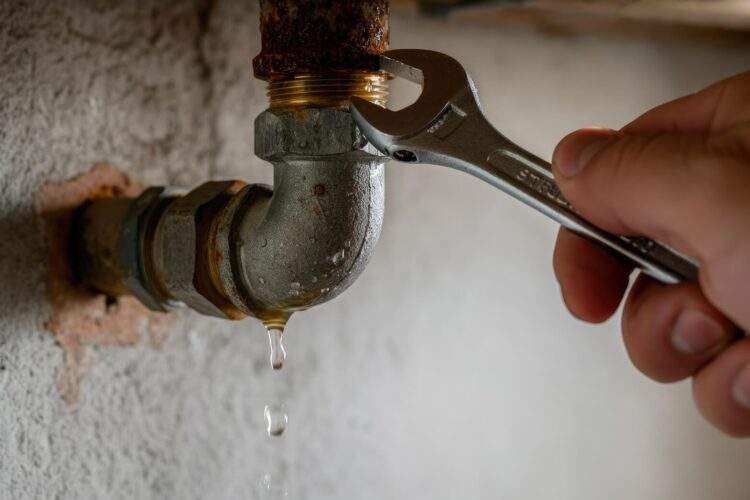
A big part of winter preparedness comes down to more than just preparing for your heating bill. Wrapping your indoor pipes not only saves you money due to increased energy efficiency, but protects them from bursting from freezing!
Your pipes are at risk of freezing and bursting if your home reaches 50°F, wrapping your pipes will insulate them and buy you more time if your power goes out.
On the outside, make sure all hoses are disconnected from spigots and drained before putting them away for the season. To drain your spigot, shut off the water supply to outdoor faucets from your basement or crawl space and then turn it on until all water is out. To further protect your outdoor plumbing, it’s recommended to add a cold-weather cover. They’re easy to acquire from any hardware store and quite cheap!
Sealing Windows, Checking HVAC, Programmable Thermostats for Temperature Control
Keeping your home cozy and cost efficient is a priority for many, here are a few ways to make your home more efficient is by controlling cold drafts and the output of your heating system. Temperature control can be a great aide in preventing expensive burst pipe repair and possible water damage work.
Sealing your windows with plastic and a hair dryer (or heat gun) is an affordable way to keep cold air out and warm air in, and many retailers sell window plastic. Measure the size of your windows or get large sheets that can be cut to size before purchasing. It’s better to have too much window wrap than too little.
Before it gets truly cold, check your HVAC ducts for any holes or leaks that could hurt your efficiency. HVAC tape isn’t expensive and the time investment is well worth it for your utility bills, just make sure you have the right kind of HVAC tape for your system. To find a leak or hole in your HVAC, feel around the ducts for air. The ducts are typically located in a basement, attic, or crawl space and look like large aluminum boxes. Ask a professional if you’re unsure about undertaking this project.
To further prepare for cold weather (and prevent pipe bursts during extreme weather!) consider a programmable thermostat. Some connect to the wifi for remote control from your phone or utility company, others do not, but run on a set schedule you’ve programmed. This would allow you greater temperature control when you’re home and when you’re not, which can save you money and mental energy. In addition, some utilities offer rebates or discounts for programmable thermostat usage/ installation, but always check with yours before counting on a discount. If you don’t know how to install your thermostat or are unsure, please contact a licensed electrician.
1-800 Water Damage
A burst pipe can cause damage to your property within just a few moments. At 1-800 WATER DAMAGE, we can respond with speed, care, and expertise to match the urgency of the situation. We work quickly and efficiently to dry up water, minimize further damage, and repair your space.
Our trucks are fully stocked and ready to go with high-sensitivity, heavy-duty equipment, and our skilled technicians can spring to action right away. With 24/7 burst pipe repair services nationwide, we’re here for homeowners and businesses whenever and wherever you need us.
With 1-800 WATER DAMAGE, you never have to worry about hidden costs or similarly unpleasant surprises. We offer upfront, transparent pricing with all our services, including burst pipe services.
We help you understand what is happening with your home’s odor and what steps make sense for your situation. Enter your zipcode to find a 1-800 WATER DAMAGE location near you and take the next step toward repairing damage in your home.